
Discover bike computers at BIKE24
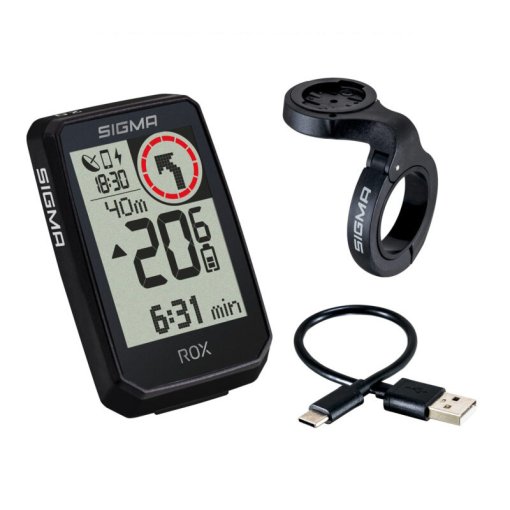
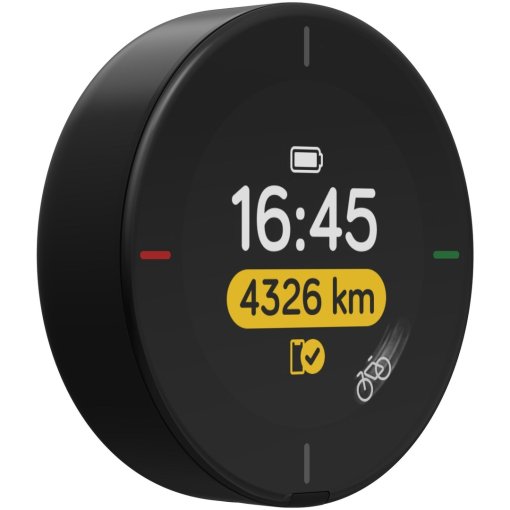
From simple bike odometers for everyday riding to advanced GPS bike computers with navigation and training analysis. The right cycling computer keeps every ride on track, whether you’re tracking speed and distance, exploring new routes, or dialing in your training data. Today’s bike computers do far more than display basic ride stats. They record performance data in real time, guide you along unfamiliar roads and trails, and automatically sync your rides to platforms like Strava or Komoot. You'll find everything from straightforward bike speedometers for quick data checks to GPS bike computers with color displays, built-in maps, and full sensor connectivity.
Why bike computers matter
A bike computer does more than display ride data. It gives you the information you need to ride smarter, track progress, and navigate with confidence.
- Precise real-time data: speed, distance, elevation gain, and power clearly displayed while you ride.
- Reliable navigation: offline maps and turn-by-turn directions keep you on track across road, gravel, and trail.
- Connected training: seamless synchronization with Strava, Komoot, and other platforms for structured analysis and long-term progress.
Bike speedometers, GPS bike computers, and accessories at a glance
Bike computers fall into two main categories: classic models that focus on essential ride data like speed and distance, and GPS bike computers that combine navigation, elevation tracking, and advanced training features. With the right accessories, you can expand your cycling computer into a complete training hub tailored to your setup and riding style.
Classic bike computers
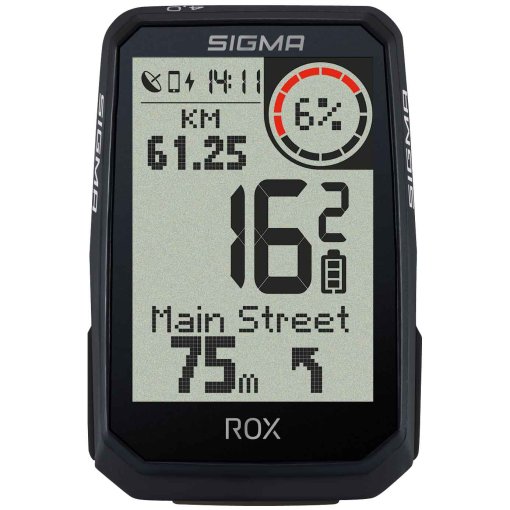
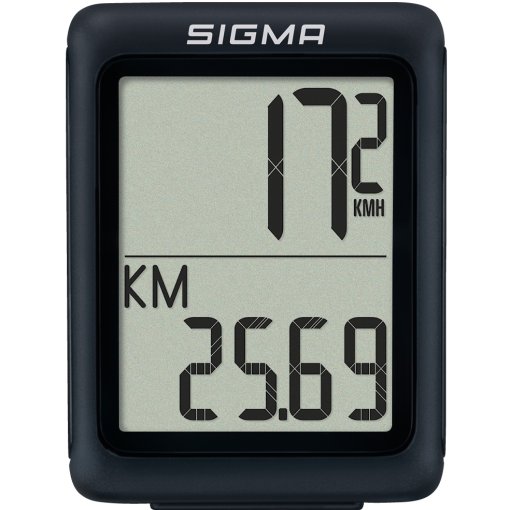
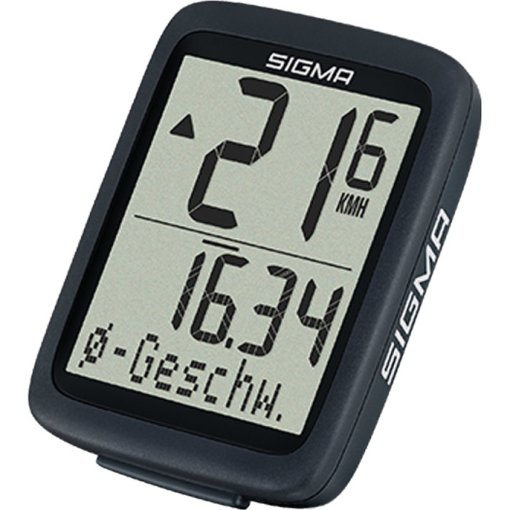
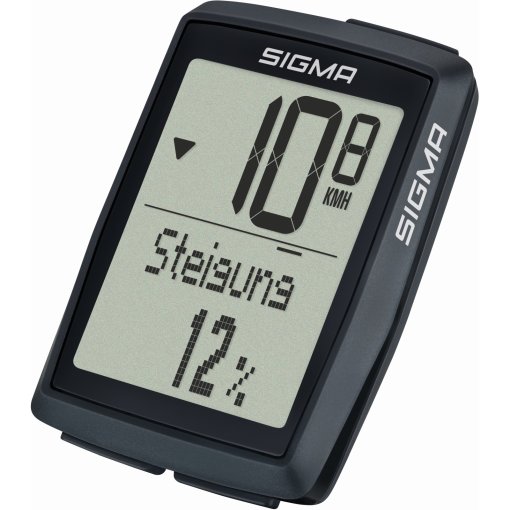
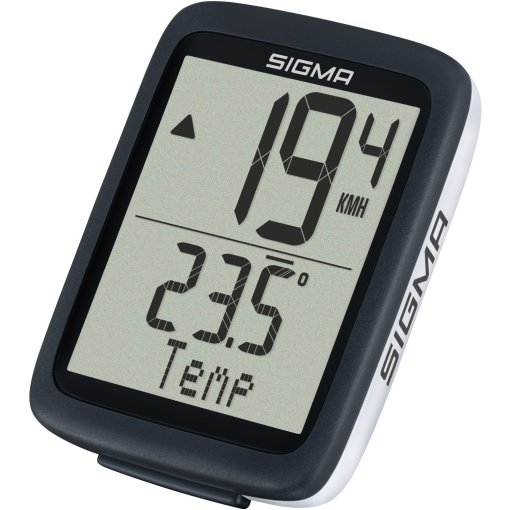
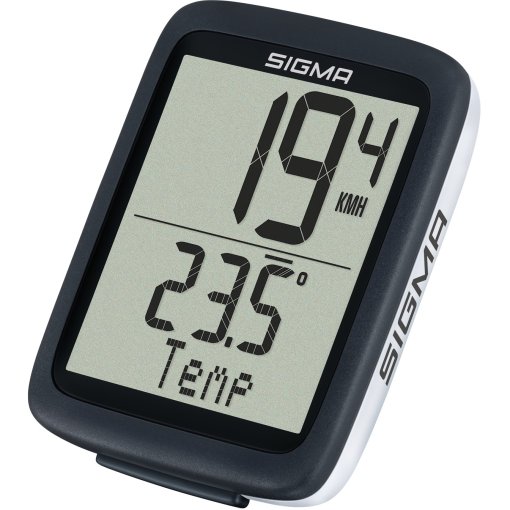
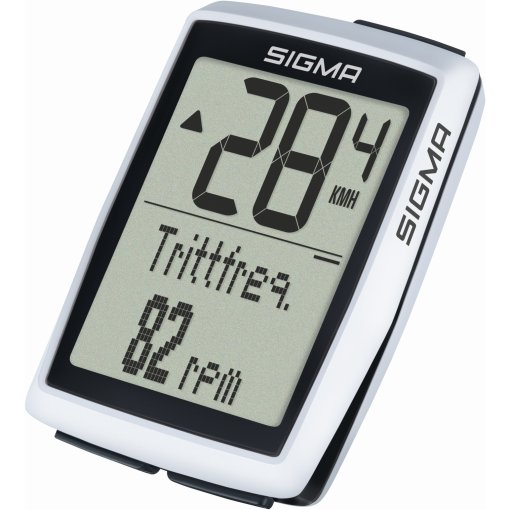
Classic bike computers focus on the essentials. A sensor mounted at the fork detects each wheel rotation, allowing the device to calculate speed, distance, and ride time. Wireless models transmit data by radio and install within minutes. If you’re looking for a reliable bike odometer without complex menus or setup, these computers provide a simple and dependable solution.
GPS bike computers
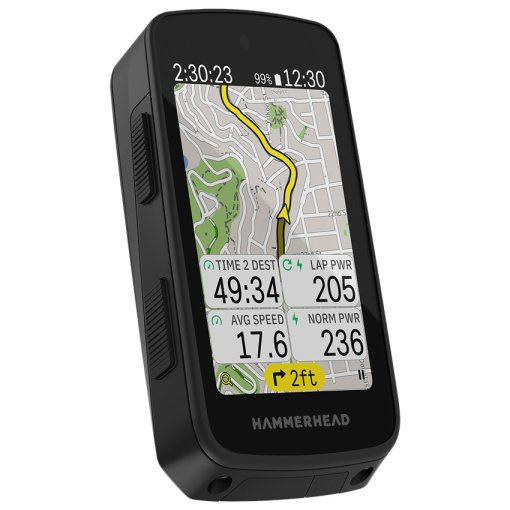
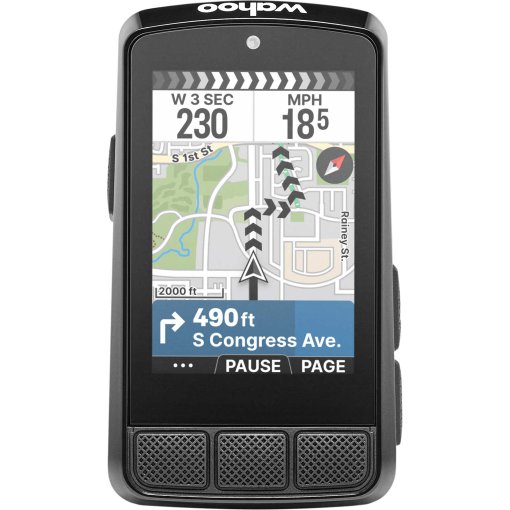
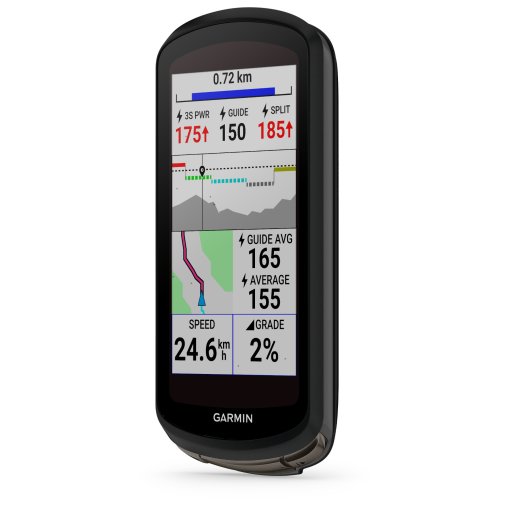
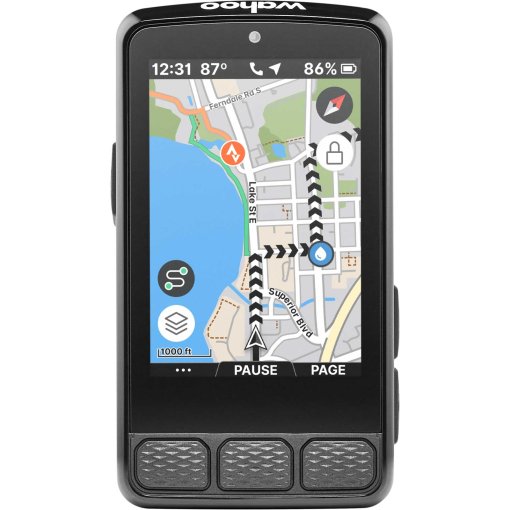
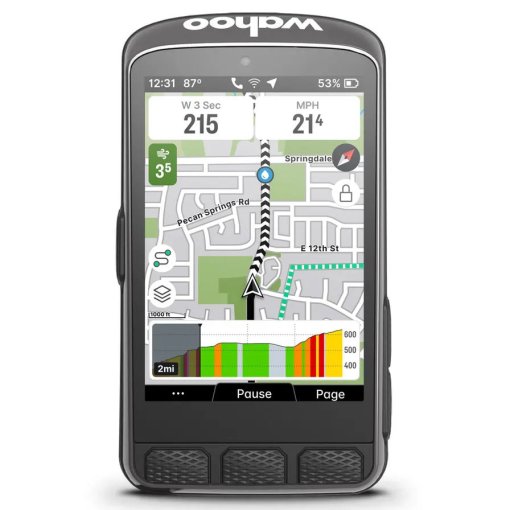
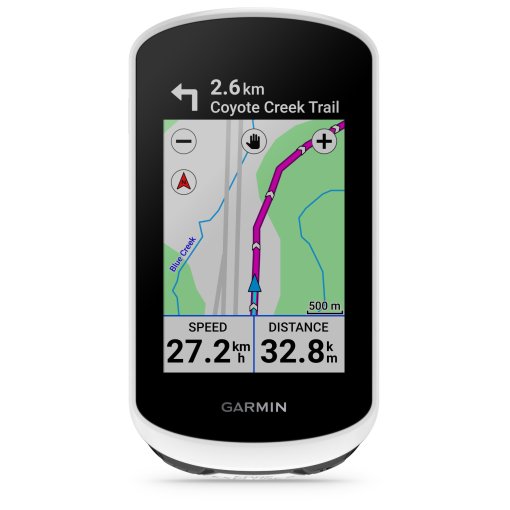
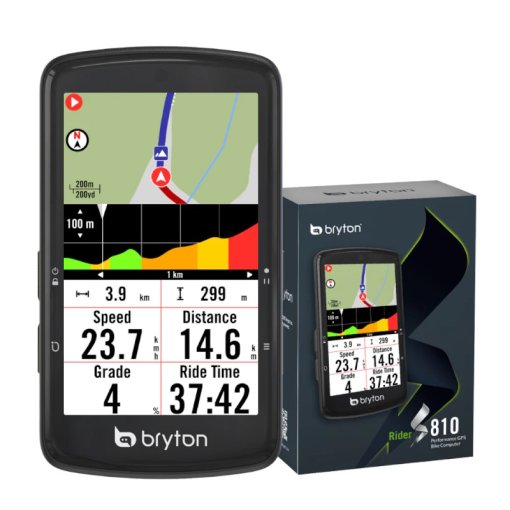
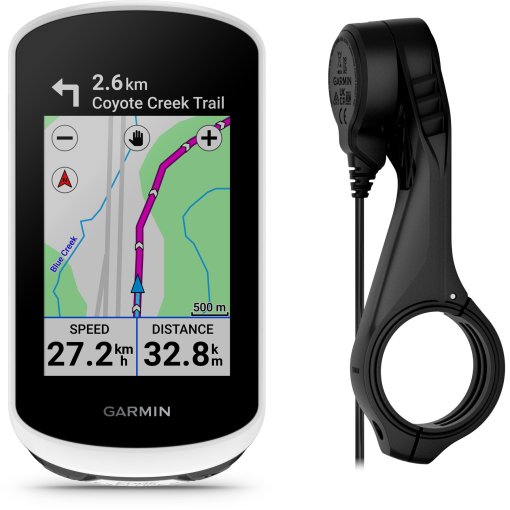
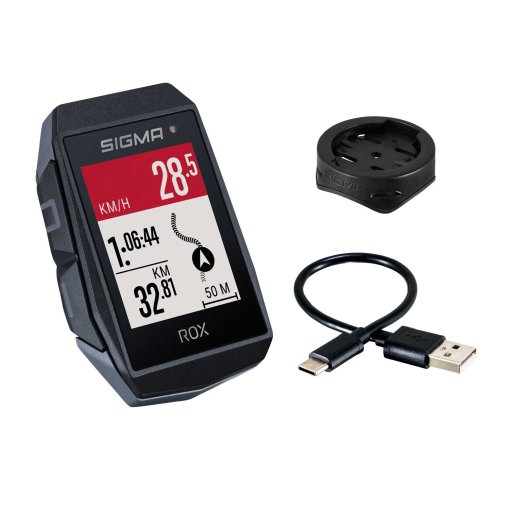
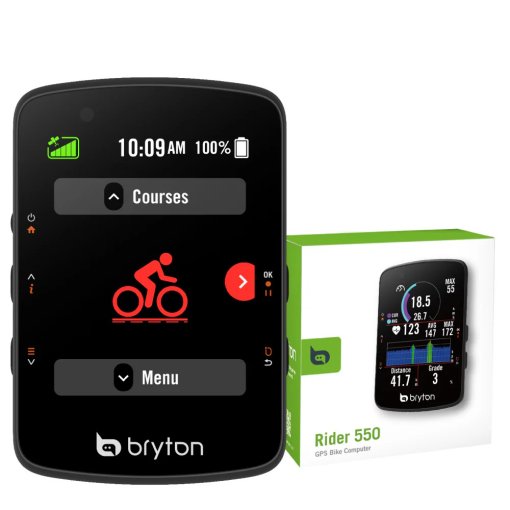
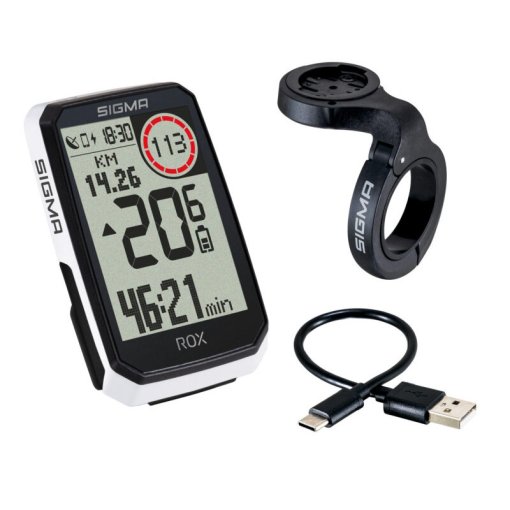
GPS bike computers are the next step if you want more than speed and distance. Satellite tracking records your route automatically, displays elevation profiles, and guides you with map views and turn-by-turn navigation. Using ANT+ or Bluetooth, you can connect external sensors and view heart rate, cadence, speed, and power together on one screen. High-end models from Garmin, Wahoo, and Hammerhead offer high-resolution color displays, touchscreen controls, and automatic synchronization with platforms like Strava, Komoot, and TrainingPeaks.
Accessories and upgrades
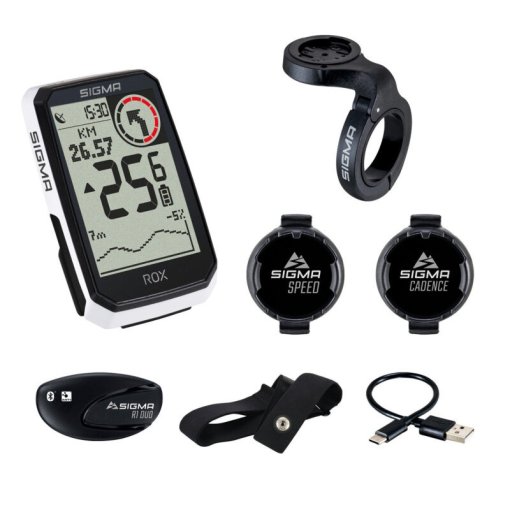
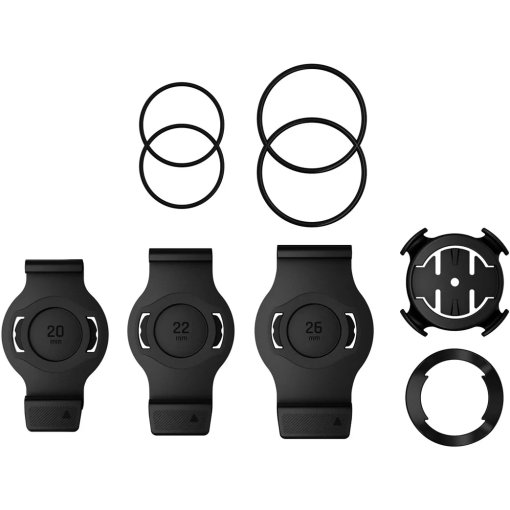
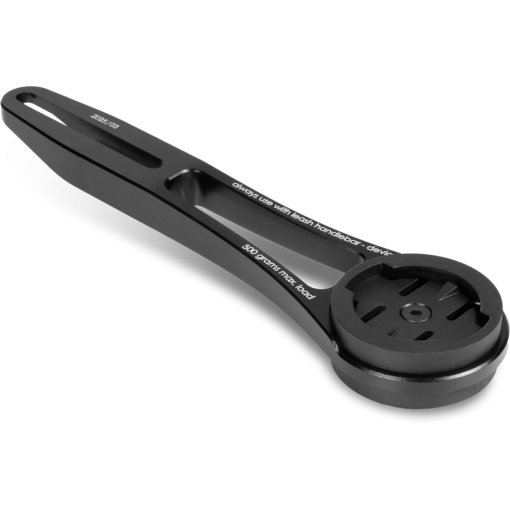
A bike computer reaches its full potential with the right accessories. Cadence and speed sensors provide more precise data than GPS alone and help you optimize your pedaling cadence. A heart rate strap enables heart-rate-based training and shows in real time which training zone you’re riding in. For maximum training control on a road bike, pairing your computer with a power meter is worth considering – giving you watt, heart rate, and cadence data at the same time. Bike computer mounts in various designs ensure a secure fit on your handlebar or stem.
What to look for when buying a bike computer
The best bike computer depends on how and where you ride. If you're tracking performance data on a road bike, sensor compatibility and customizable data fields matter most. Navigation features and battery life matter more if you're planning longer rides off the beaten path. If you want a straightforward bike speedometer for your daily commute, a basic model will do the job.
Do I need a classic bike computer or a GPS bike computer?
It depends on your intended use. For tracking speed and distance on familiar routes, a classic bike odometer is enough. If you want navigation, detailed performance metrics, or ride recording, a GPS bike computer is the better choice.
Which sensors can I connect to a bike computer?
Modern bike computers support heart rate straps, power meters, cadence sensors, and speed sensors via wired connections, ANT+, or Bluetooth. High-end models can also connect to radar sensors and electronic shifting systems such as Shimano Di2 or SRAM AXS.
How important are display size and controls?
Larger color displays make it easier to read maps and data fields while riding. Button controls are often more reliable in rain or with gloves, while touchscreens provide more intuitive menu navigation. Choose based on your riding conditions and preferences.
What training features do modern bike computers offer?
Advanced cycling computers support structured workouts, training plans, and performance metrics such as FTP or VO₂max estimation. Features like ClimbPro display upcoming climbs in real time. Automatic app synchronization turns your device into the control center of your training.
How long does the battery last?
Classic bike computers often run for several months to over a year on a button-cell battery. GPS bike computers typically last between 15 and 40+ hours, depending on the model and GPS mode. For bikepacking, look for power-saving modes or solar charging options.
Can I use one bike computer on multiple bikes?
Yes. Install a separate mount on each bike and switch to your other bikes in seconds. Many models store multiple bike and sensor profiles, so you only need to select the correct profile when switching.
How durable should a bike computer be?
Your device should offer at least IPX7 water resistance to handle rain and spray. For off-road riding on MTB or gravel bikes, a sturdy out-front or stem mount helps keep the computer secure even on rough terrain.
Shop bike computers online at BIKE24
If your current setup feels limited, navigation is missing, or your old unit skips data, it’s time for an upgrade. At BIKE24, you’ll find a wide range of bike computers from Garmin, Wahoo, Hammerhead, and other leading brands. With many models in stock, you won’t have to wait long for your next upgrade. Not sure which model matches your bike and sensors? Our customer service team are passionate cyclists themselves - from criterium racing to weekend gravel rides - and will help you choose the right device for your goals.
You’ll also find cadence and speed sensors, heart rate straps, sports watches, and bike lights to complete your setup.