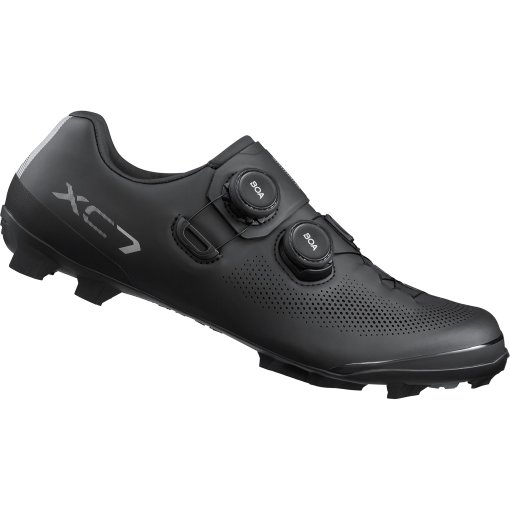
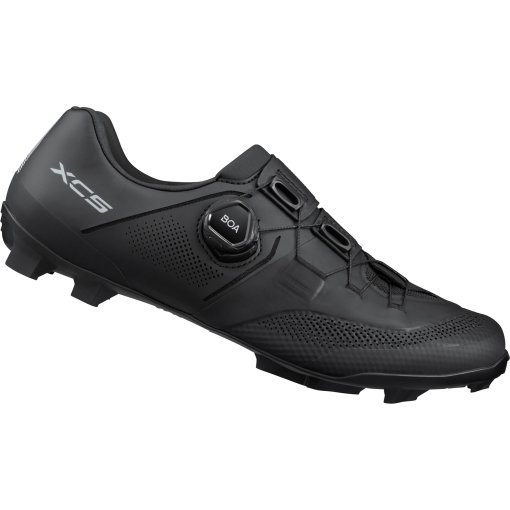
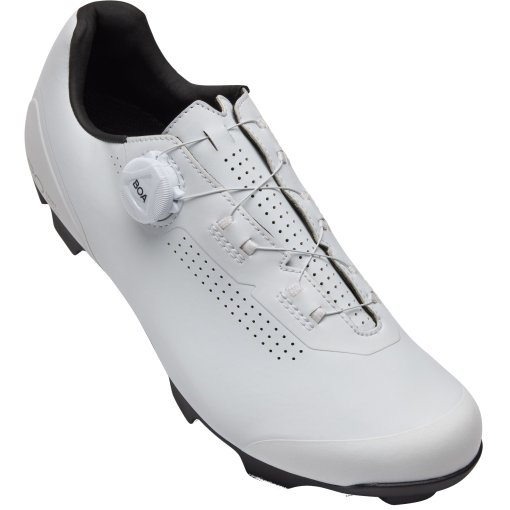
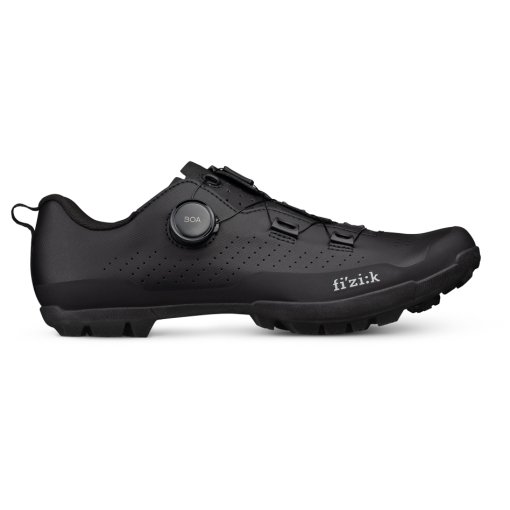
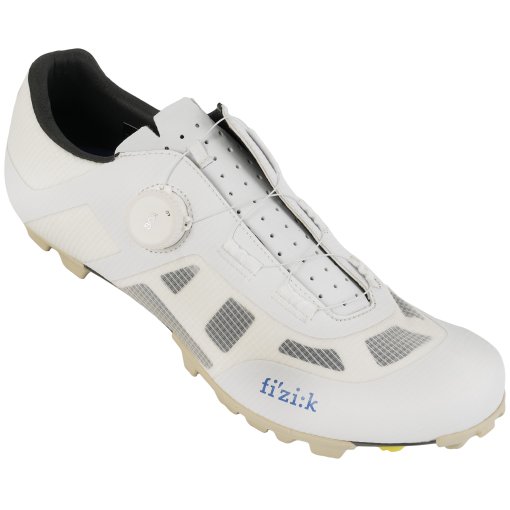
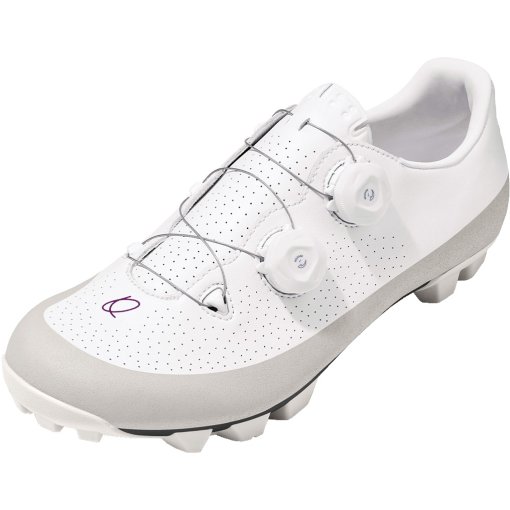
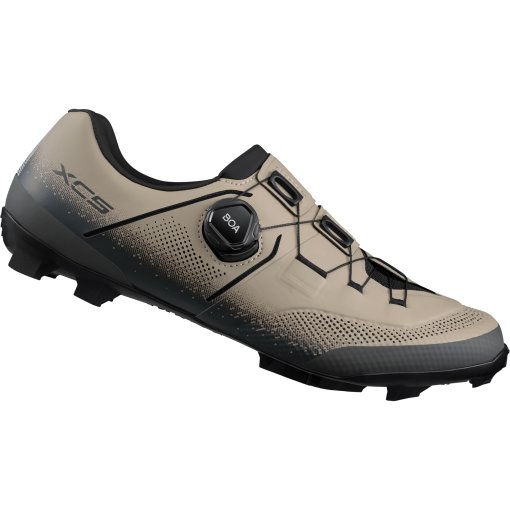
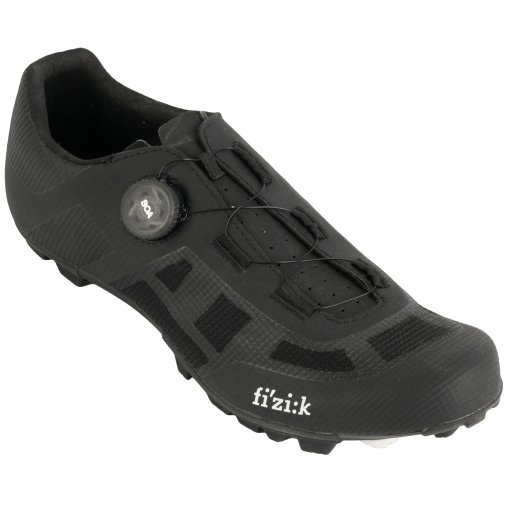
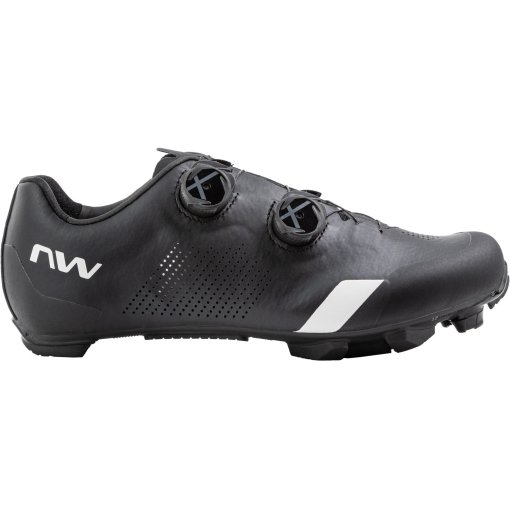
Mountain bike shoes

Popularity

Shop mountain bike shoes at BIKE24

When the trail gets rough, your shoes make a difference right away. A good MTB shoe transfers power to the pedal, keeps your foot stable through technical sections, and holds firm on rock, roots, and hike-a-bike terrain. That's why MTB shoes aren't one single category. XC and marathon riding calls for light shoes with direct power transfer. Trail and all-mountain riding call for a balance of comfort, control, and protection. Gravity riding and flat pedal setups focus on maximum grip, cushioning, and a solid platform underfoot. At BIKE24, you'll find models built for these needs — designed around your riding style, pedal type, and terrain.

Why mountain bike shoes matter

On the trail, the wrong shoe doesn't just feel uncomfortable — it slows you down and costs you confidence. Here's what a good MTB shoe actually does:

  • Pedal feel and control: A secure, locked-in fit keeps your foot planted on the pedal — more precision through technical terrain, less energy lost.
  • Grip off the bike: Aggressive outsole patterns give you traction when you're pushing, hiking, or picking your way across slippery ground.
  • Protection where it counts: Reinforced toe boxes, side panels, and impact zones protect against pedal strikes, rock hits, and the general punishment of off-road riding.

MTB cycling shoes at a glance

The first decision is simple: clipless or flat pedal. Clipless shoes lock into SPD-style cleats for efficient pedaling and a fixed connection to the pedal — common on XC, marathon, and many trail setups. Flat pedal shoes pair with platform pedals, relying on a grippy rubber sole and pins to hold your foot in place — the go-to for trail, enduro, downhill, and bike park riding where freedom of movement and quick foot corrections matter. Once you've made that call, the rest comes down to discipline and riding style.

Cross-country MTB shoes – light, stiff, efficient

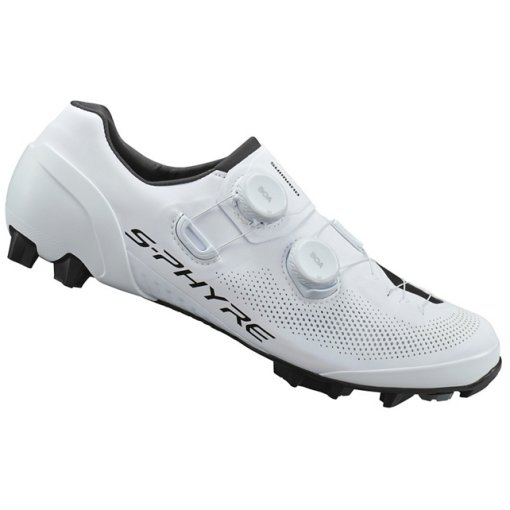
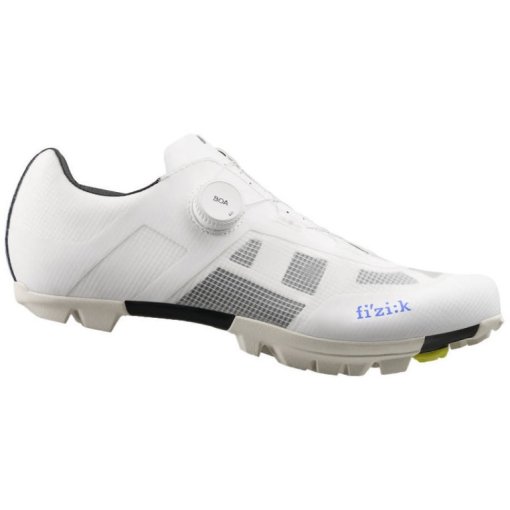
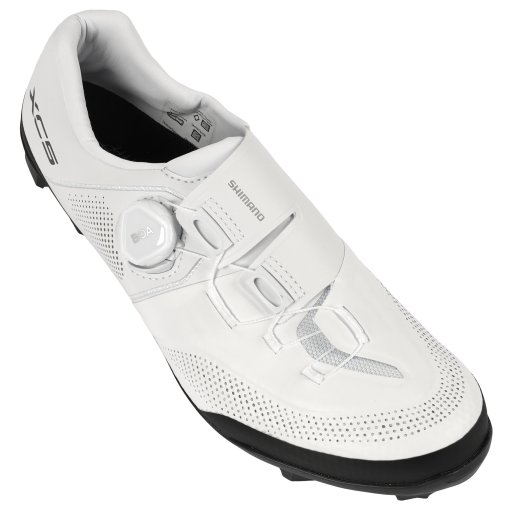
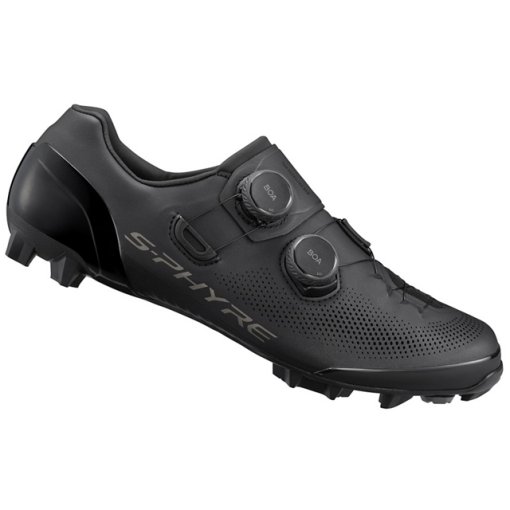
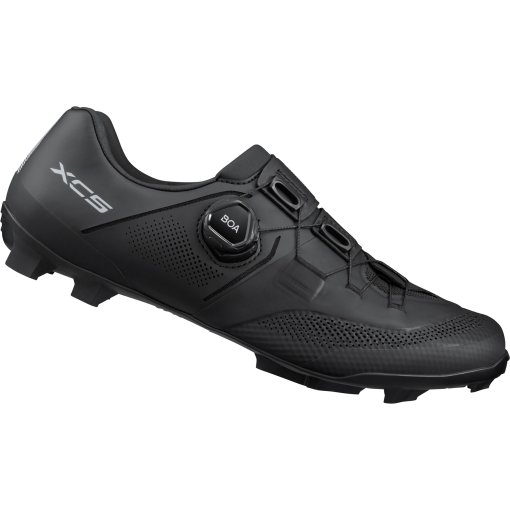
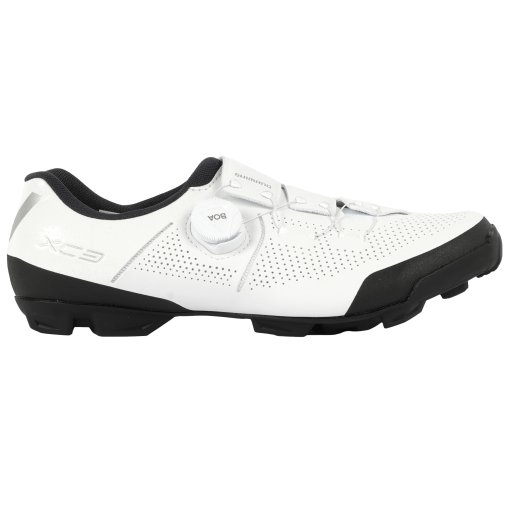
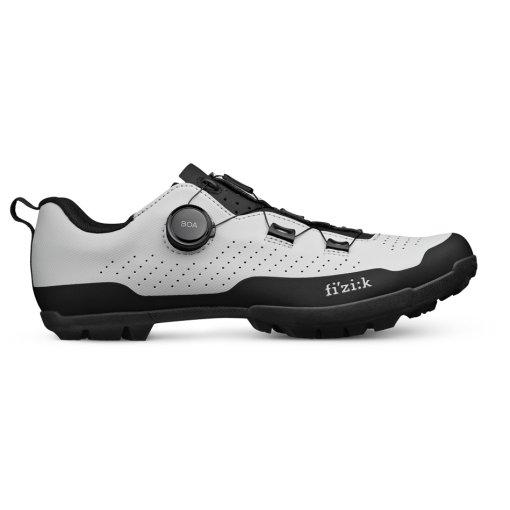
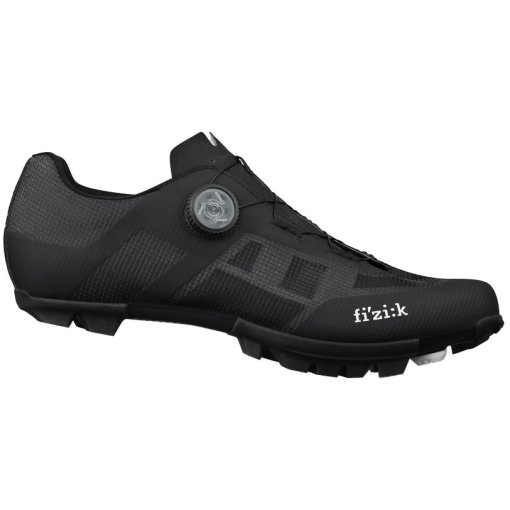
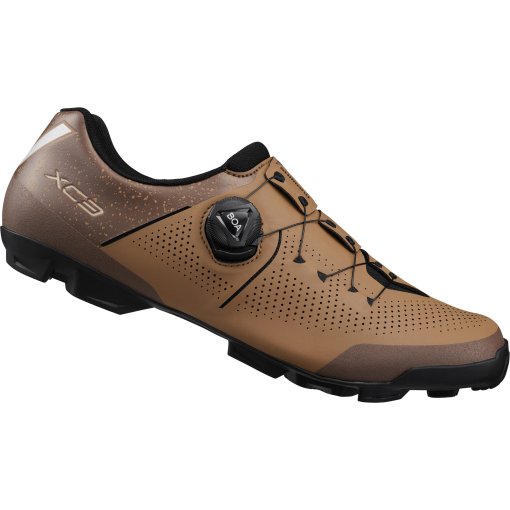
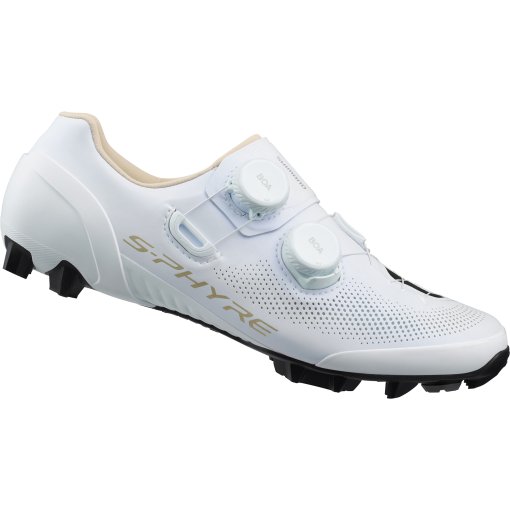
XC shoes are built around one thing: forward momentum. They're almost always clipless, combining low weight, direct power transfer, and a secure cleat connection. Of all MTB shoe categories, they sit closest to road cycling shoes — performance-oriented, stiff-soled, and cut for high cadence. If you're chasing fast laps, big elevation days, or race starts, this is your shoe.

Trail and all-mountain shoes – versatile, controlled, ride-ready

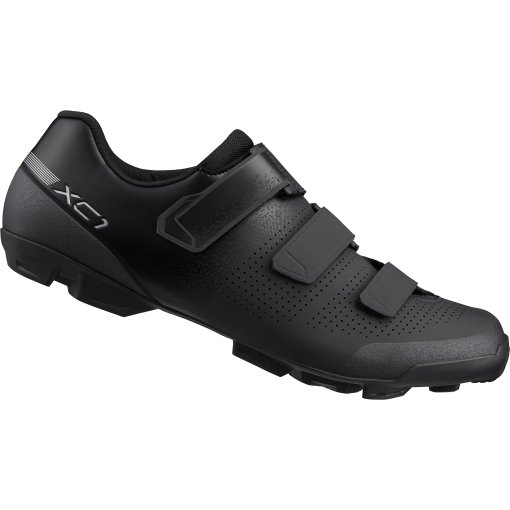
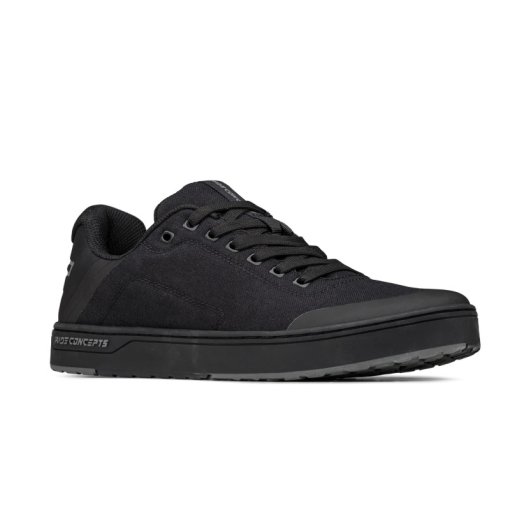
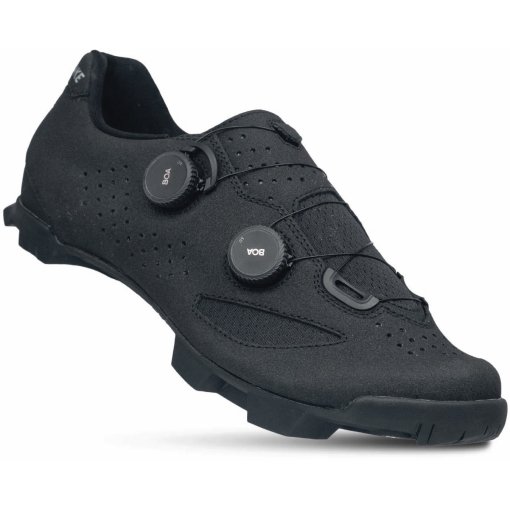
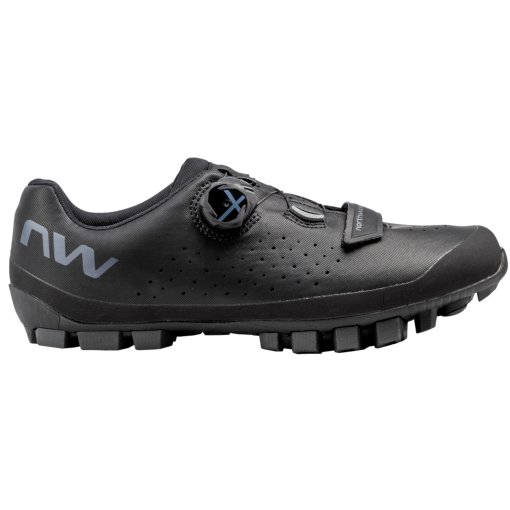
Trail and all-mountain shoes cover the widest range of riding. They need to feel solid on the pedal, handle the odd hike-a-bike, and stay comfortable across long days in mixed terrain. Depending on your style, that means clipless for efficiency on climbs and traverses, or flat pedal for more movement and control in technical sections. If you ride varied ground — uphills, singletrack, loose corners, short carries — this is where most riders land.

Enduro and downhill shoes – tough, grippy, built for impact

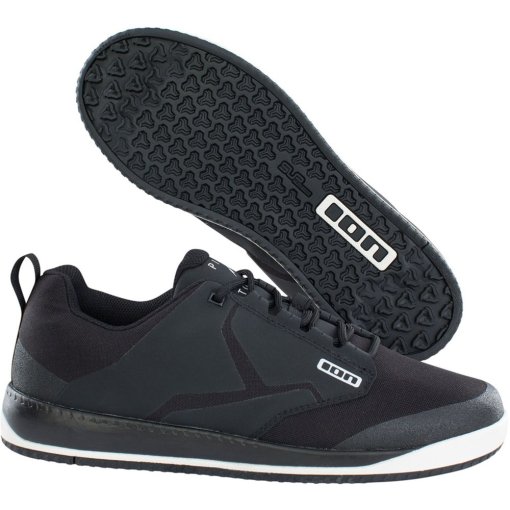
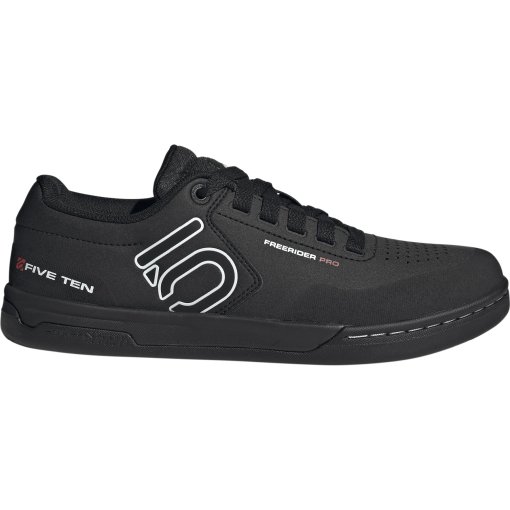
When the terrain gets steep, fast, and punishing, the priorities shift hard toward protection, grip, and stability. Flat pedal shoes dominate here — they offer maximum foot freedom, fast corrections, and a planted feel on the pedal. Some enduro riders run clipless for that locked-in connection, but most gravity riders run flats. Expect grippy soles, reinforced toe boxes, and extra cushioning built to handle hard hits and rough ground.

BMX shoes – grippy, flexible, no-fuss

BMX is almost entirely flat pedal territory. What matters: a grippy sole, solid pedal contact, and enough flexibility to move and correct fast. The shoe also needs to hold up to repeated foot placement, hard landings, and intense pedal contact. Whether you're on the pump track, in the park, or hitting street lines, look for a durable flat pedal shoe with a tight, supportive fit.

Allroad and gravel shoes – efficient with walkability built in

Allroad and gravel shoes aren't strictly MTB footwear, but many riders from the gravel side look for that same mix of pedaling efficiency and walkability that defines good MTB shoes. Most run 2-bolt cleat systems, connecting well to the pedal without sacrificing too much comfort on foot. That makes them a strong choice for long-distance mixed-terrain rides where you're not just pedaling — you're also pushing, scrambling, or stopping for a break. Find specific gravel shoes here.

Choosing your MTB shoes

The right MTB shoe depends less on price and more on how and where you ride. A flat pedal park shoe and a stiff XC race shoe look similar from a distance and feel completely different on the trail. These questions will help narrow it down.


Clipless or flat — which suits my riding?

Clipless systems make sense when you're climbing a lot, riding long distances, and want a fixed connection to the pedal. Flat pedals work better when you need quick foot corrections, prefer not to think about clipping out, or spend time on technical terrain where repositioning your foot matters. Your terrain decides: more vertical gain pushes you toward clipless, more tech pushes you toward flats.

How stiff should the sole be?

More stiffness means more efficiency — especially on long climbs and sustained efforts. More flex means more comfort and feel underfoot, useful when you're walking sections, working through technical terrain, or riding flat pedals. As a rough guide: XC leans stiff, trail sits in the middle, enduro and flat pedal shoes favor support with some feel.

How important is outsole grip off the bike?

If you're stepping off regularly — rocky hike-a-bike sections, steep loose ground, wet roots — outsole pattern matters. For clipless shoes, lug height around the cleat matters too: you don't want to be walking on the cleat itself. Flat pedal shoes need a grippy, relatively flat contact surface that works with the pins on your pedal — the tread plays more of a secondary role toward the edges.

Are winter MTB shoes worth it?

On cold days, they can make a real difference. A waterproof membrane keeps out rain and snow, while an extra-grippy sole helps on muddy, icy, or slick surfaces — both on the pedal and on foot. Many winter models are cut higher at the ankle, adding protection around a joint that gets cold quickly. Riders who go out occasionally in low temperatures can get by with overshoes and thick socks. If you ride regularly through winter, a dedicated winter shoe is worth it.

How much protection do I actually need?

On straightforward XC trails, light reinforcements are usually enough. Trail riding benefits from a solid toe box, side protection, and some cushioning against pedal and rock strikes. For enduro and bike park riding, maximum protection makes sense — impacts are part of the ride. Match protection level to how hard and rough your riding actually is.

Discover mountain bike shoes at BIKE24

Whether you're after a lightweight XC clipless shoe, a versatile trail flat, or a burly enduro boot, you'll find MTB shoes from Shimano, Five Ten, Fizik, and more top brands at BIKE24 — at fair prices and in a wide range of fits. Use our filters to narrow down by size, pedal system, and discipline. Not the right fit? Footwear ships back for free. With high stock availability and fast delivery, your shoes arrive in time — even as last-minute kit before a bike trip. Don't forget the right setup to go with them: for clipless shoes, cleats and pedals affect stance and float; for flats, platform pedals, pin height, and rubber compound make the difference. Insoles improve support and pressure distribution, and the right cycling socks round out your setup for any season.