Cycling shoes

Popularity

Explore cycling shoes at BIKE24

Your shoes decide how much of your power actually reaches the pedals – and how long you can keep it there. If the sole stiffness doesn’t match your riding style, you lose watts. If the fit doesn’t match your foot, pressure points can turn any long ride into a struggle. The right bike shoes combine power transfer, fit, and comfort to complete your pedal setup. You’ll find cycling shoes for road, trail, and gravel riding – from race-focused carbon sole models to versatile touring options.


Why the right cycling shoes make all the difference

Whether you’re doing interval training on the road, taking on a gravel marathon, or riding technical trails – the right biking shoes deliver noticeable gains in pedaling efficiency, control, and endurance.

  • Efficiency: The right sole reduces energy loss and transfers your power more directly to the pedals.
  • Safety: Grip and a secure fit help prevent slipping – especially in wet conditions, hard efforts, and quick direction changes.
  • Comfort: A good fit distributes pressure evenly and stays comfortable even on long rides.

Cycling shoe types – from race to touring

From stiff race soles to grippy flat pedal shoes, cycling shoes are built for a wide range of disciplines and riding styles. Most performance-focused riders use pedal systems (SPD / SPD-SL), which vary in sole stiffness, cleat interface, and walkability depending on how and where you ride. For gravity riding and urban use, flat pedal shoes offer the right alternative.


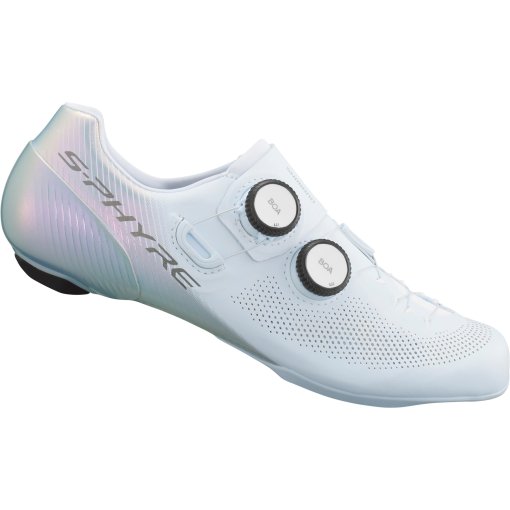
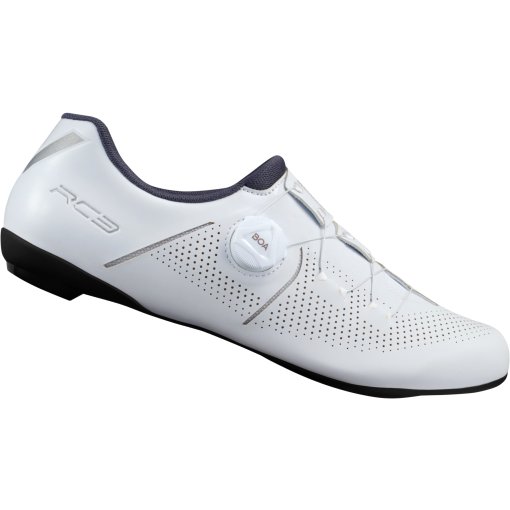
Road cycling shoes

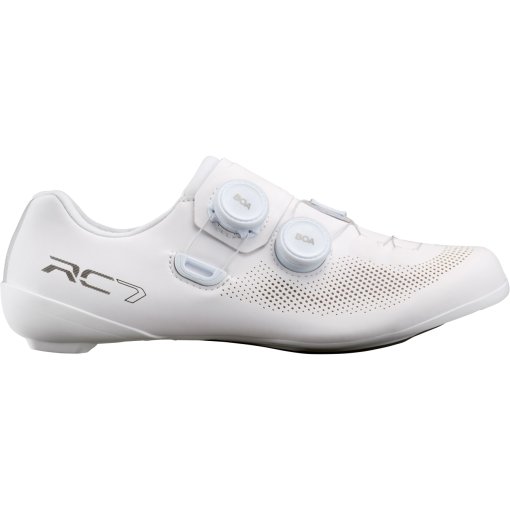
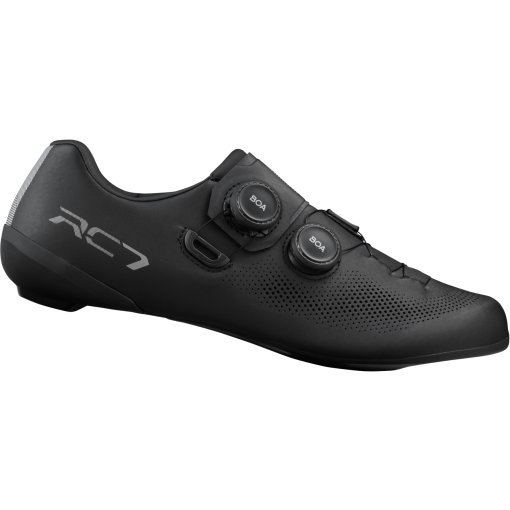
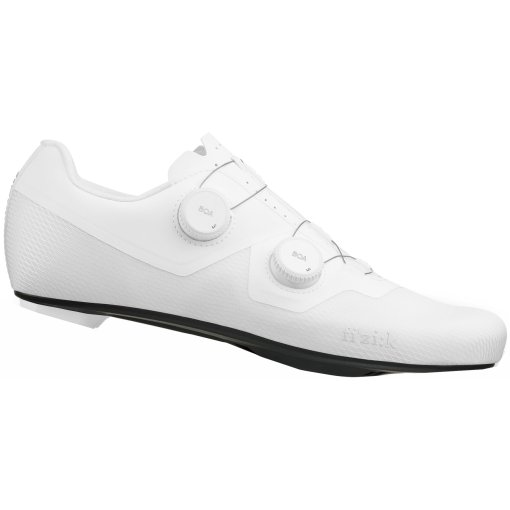
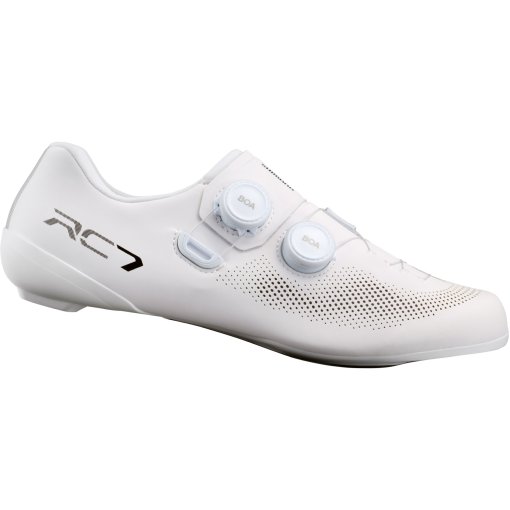
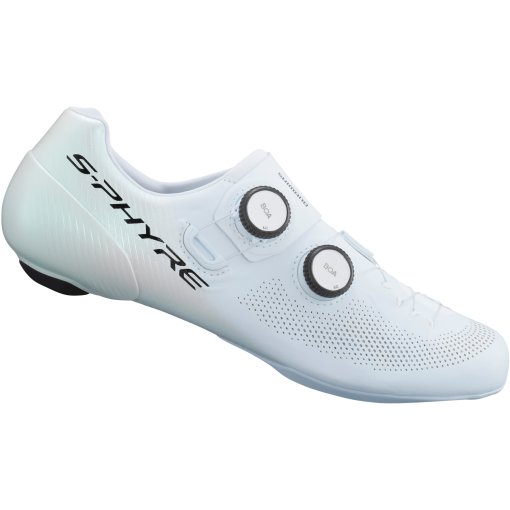
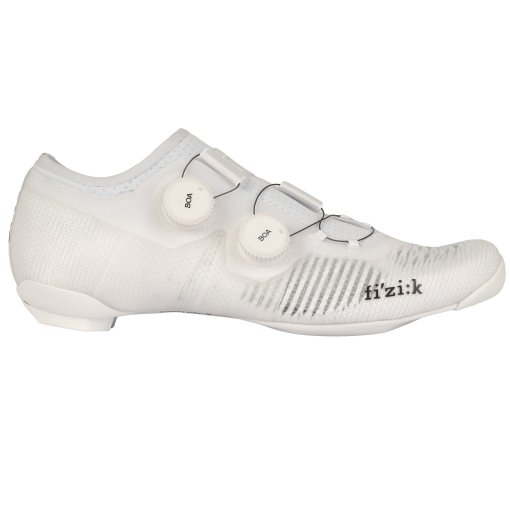
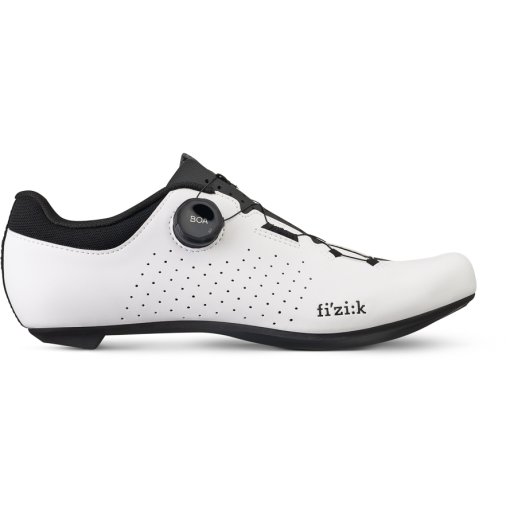
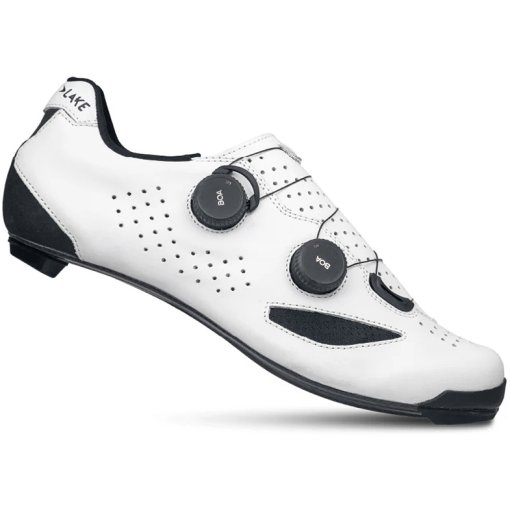
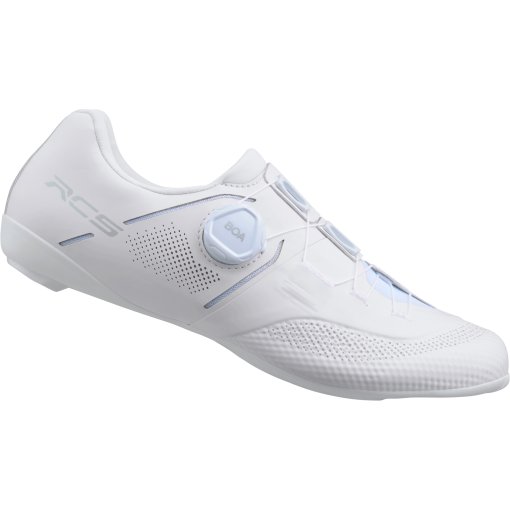
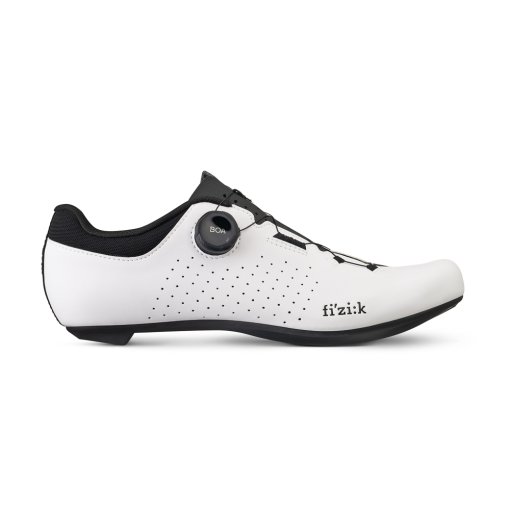
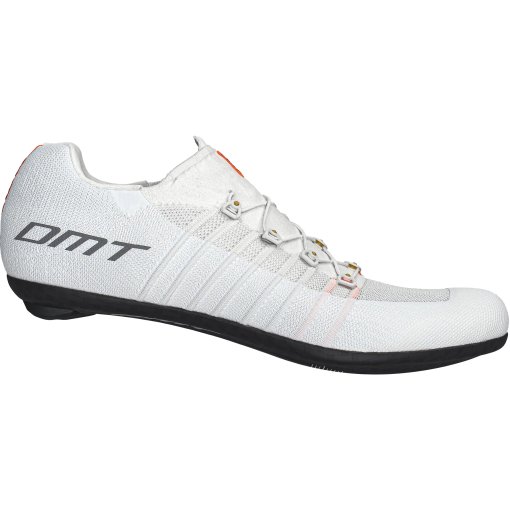
Carbon sole, 3-bolt cleat interface, low stack height – road cycling shoes are built for maximum power transfer and efficiency at high cadence. Top models from Shimano or Sidi reach stiffness ratings of 12+ and minimize watt loss.

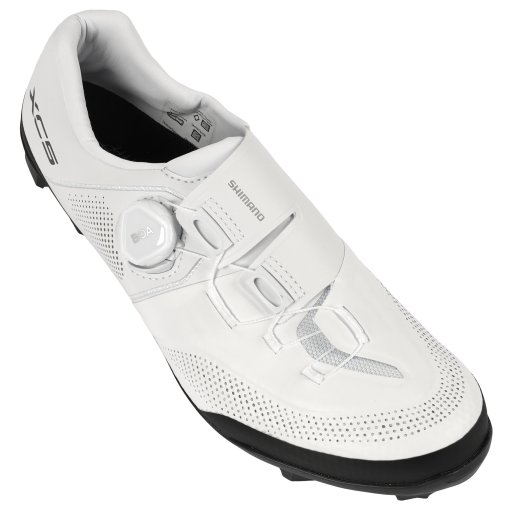
MTB shoes

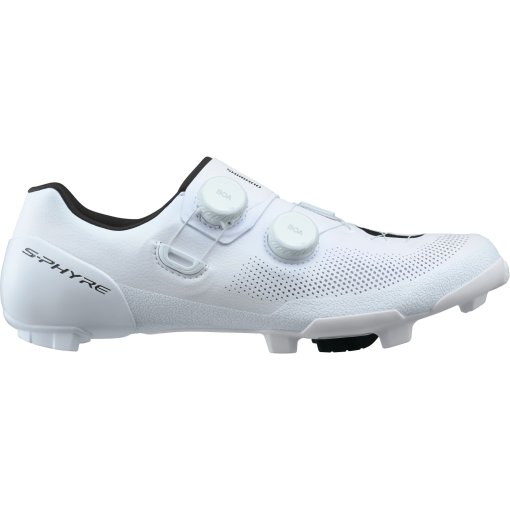
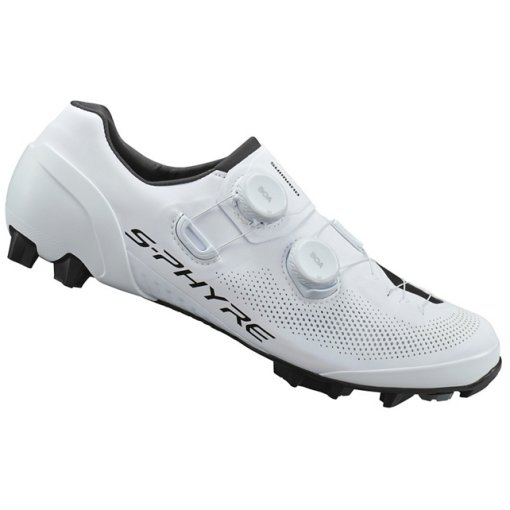
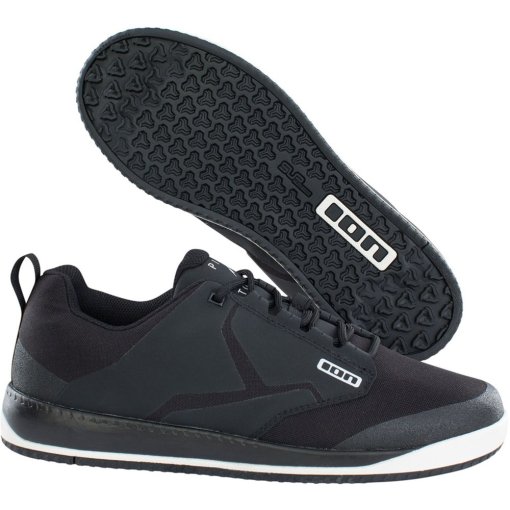
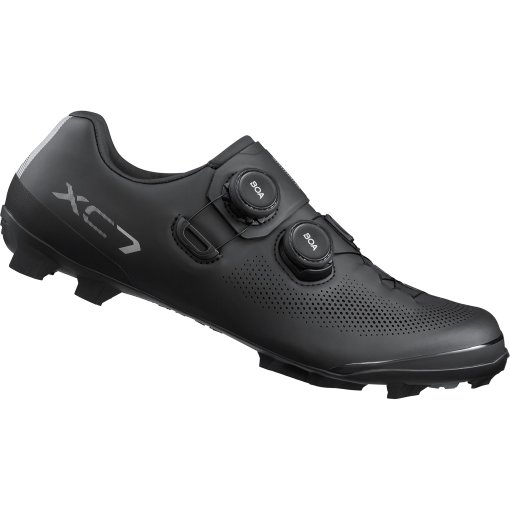
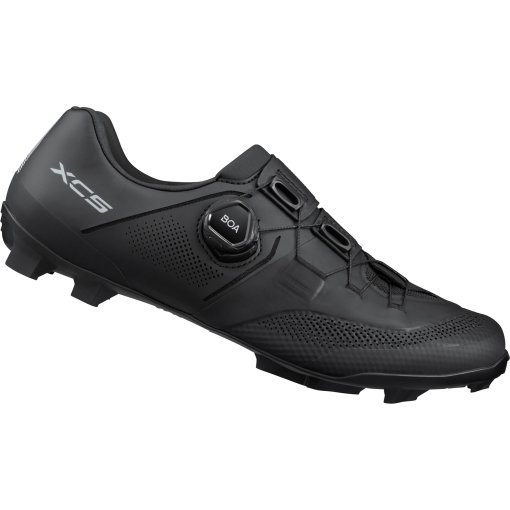
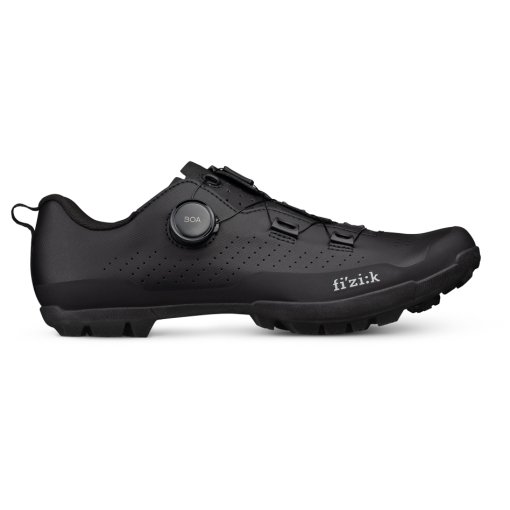
2-bolt cleat systems (SPD and compatible), a recessed cleat design, and a grippy outsole give you efficient power transfer while maintaining walkability. XC models are lighter and stiffer, while trail and enduro shoes offer more grip, flex, and ankle protection for technical terrain. There are also flat pedal shoes for riders who prefer not to clip in but still want maximum grip on pin pedals. Your advantage: you can easily filter for flat pedal shoes in the shop.

Gravel shoes

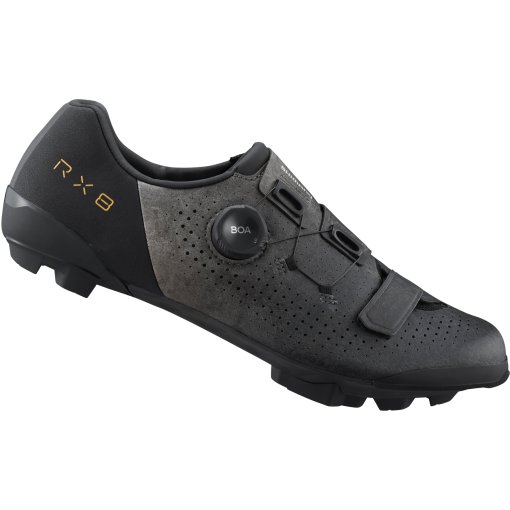
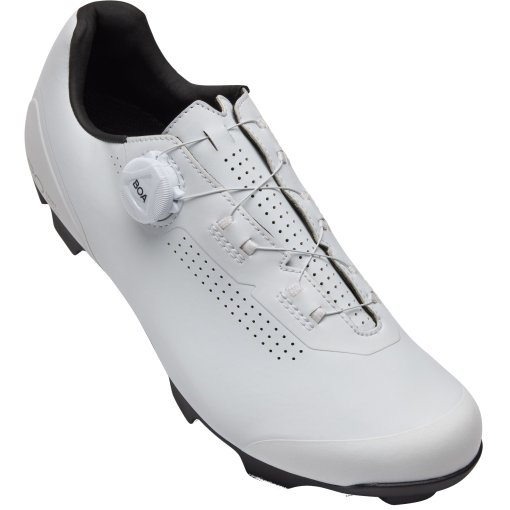
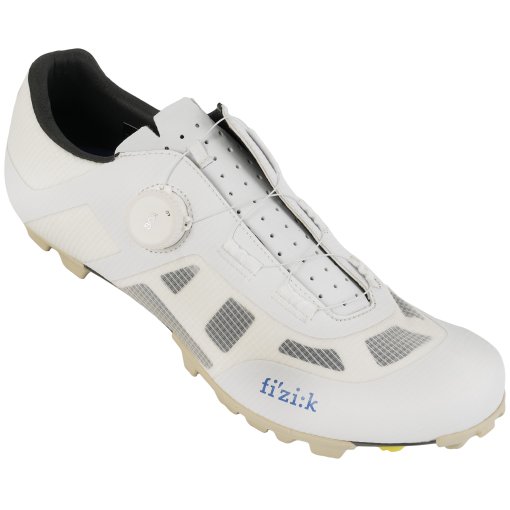
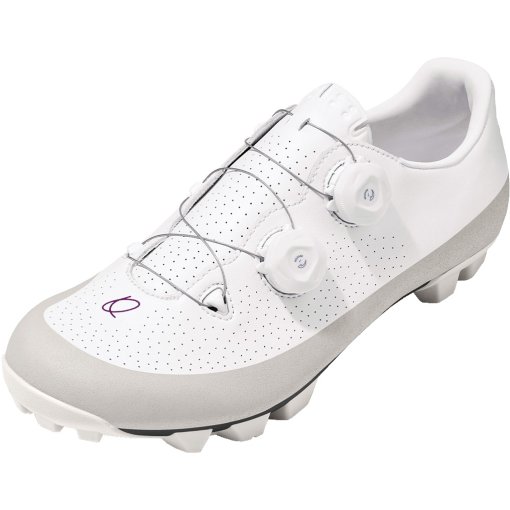
Gravel shoes combine the efficiency of road cycling shoes with the walkability of MTB models. Typically featuring a 2-bolt cleat interface, moderate sole stiffness, and added tread – ideal for long distances on mixed terrain.

Triathlon shoes

Optimized for fast transitions: a wide opening, a single Velcro or BOA closure, and a heel loop for quick entry on the move. A stiff sole with a 3-bolt cleat interface, excellent ventilation, and a seamless interior for sockless riding.

Winter cycling shoes

Insulation, windproof membranes, and water-repellent construction keep your feet warm even in freezing temperatures. What matters most: enough room for thick socks and proper circulation - otherwise even the best insulation won’t help. You’ll find winter cycling shoes for MTB, road, cross-country, all-mountain, and all-road / gravel – available for pedal systems or flat pedals to match your riding style.

Kids’ cycle shoes

Kids’ cycling shoes should offer a secure fit, be easy to use, and match how they ride. You’ll find models for MTB, road, all-mountain, trail, as well as BMX and skate use. Depending on riding style, options include flat pedal shoes, MTB-compatible 2-bolt systems, or road-style 3-bolt interfaces. This makes it easy to find the right shoes for their pedals, their bike, and how they ride. Our filters make it easy to narrow down your options.


Choosing the right cycling shoes

The right cycling shoes depend on where you ride and what you expect from your setup. On the road, sole stiffness and low stack height matter most. On gravel rides, walkability and versatility across mixed terrain take priority. The following criteria help you fine-tune your setup – or choose the right system if you’re making a change.


Which type of cycling shoe do I need – MTB, road, or touring?

The right shoe type depends on how and where you ride. Road cycling shoes are built for maximum power transfer and low stack height. MTB shoes offer more walkability thanks to a grippy outsole and recessed cleat interface. Touring or commuter shoes focus more on comfort and everyday usability. Once you know how you’ll be riding, you can narrow down your options in the shop by shoe type.


How do I find the right size?

Don’t rely on EU sizes alone – they vary by brand. It’s best to use your foot length in millimeters and check the size charts. Pro tip: measure your feet in the evening (when they’re slightly larger) and allow a little extra room for summer heat or thicker socks.


What fit should I look for?

Your shoes should feel secure without causing pressure points. Look for a stable heel hold, enough room in the forefoot, and even pressure across the instep. Wide-fit models or specific shoe shapes can solve issues that standard widths can’t. To find the right size, use the brand-specific size charts on our product pages. And if a pair doesn’t fit, you can return it for free.


Which cleat system is right for me – 2-bolt or 3-bolt?

The right cleat system depends mainly on your pedals and how you ride. 2-bolt systems are common for MTB, gravel, touring, and everyday setups because they offer better walkability. 3-bolt systems are the standard for road cycling and focus on maximum efficiency. If you already use pedals, filter for the matching cleat interface to make sure your shoes and system are compatible.


How important is ventilation?

On long summer rides and during indoor training, ventilation plays a big role in comfort and performance. Mesh panels and perforated soles help improve airflow. In winter, the opposite applies – you’ll want more closed constructions with windproof membranes.


Carbon or composite – which sole is right for which use?

Carbon soles offer maximum stiffness at minimal weight and are the top choice for race and performance use. Composite soles are slightly more flexible, more affordable, and more comfortable over long distances. If your goal is maximum performance, carbon is the way to go. For touring and gravel riding, composite is often the better choice.


BOA, ratchet, or laces – which closure system is best?

BOA dials allow for precise adjustment and can be fine-tuned easily while riding. Ratchet systems offer strong hold and direct control, while lace systems often provide the most even and comfortable fit, but are less practical to adjust mid-ride. If you already know what you prefer, you can filter by closure systems like BOA, Velcro, or ratchet in the shop.


Are there differences between men’s and women’s cycling shoes?

Brands take different approaches. Many now use unisex shoe shapes with a wide size range, especially in high-end models. Others still offer women-specific designs with a narrower heel and adjusted volume. In the end, fit matters more than labeling. If unisex shoes cause pressure points or heel slip, women-specific or wide-fit options can often solve the issue.


Shop cycling shoes at BIKE24

Road, MTB, or gravel – you’ll find cycling shoes from Shimano, Sidi, Fizik, Giro, Northwave, and many more top brands. Choose from a wide range of fits, closure systems, and cleat standards. With fast shipping, your new setup arrives in time for your next ride. And because cycling shoes need to fit, you benefit from free returns on apparel, so you can compare different models and sizes at home. Our team of experienced cyclists will help you fine-tune your shoe-pedal setup.

You’ll also find matching bike pedals, cleats, shoe covers, cycling socks, and insoles.