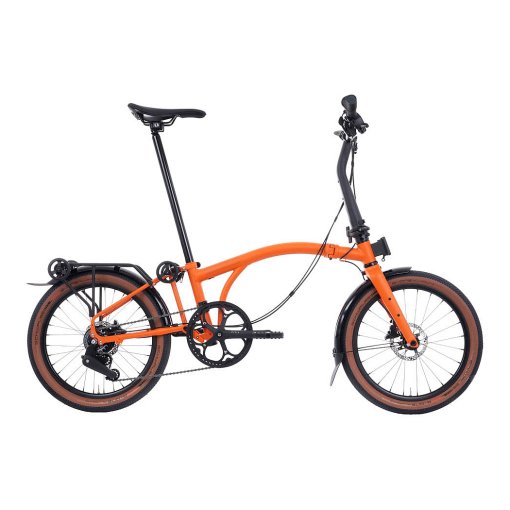
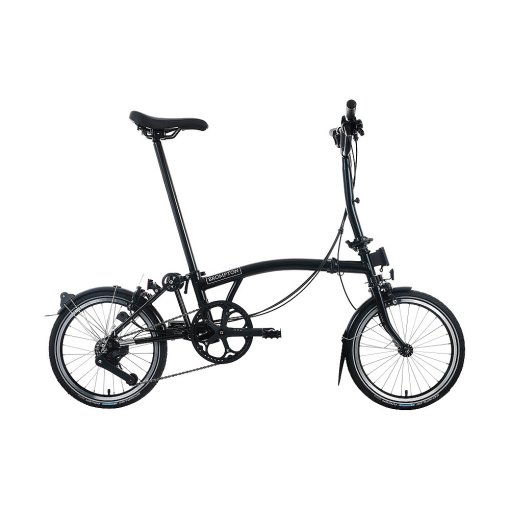
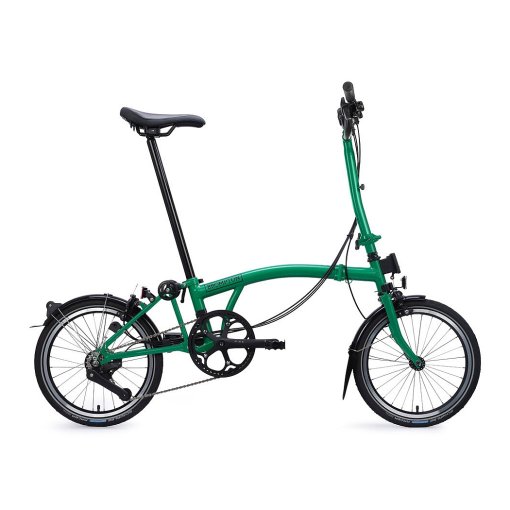
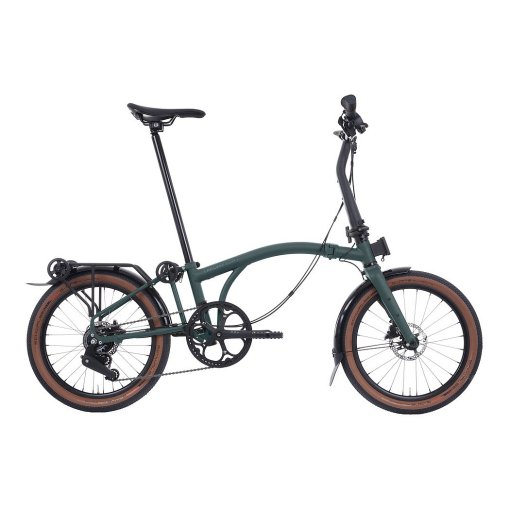
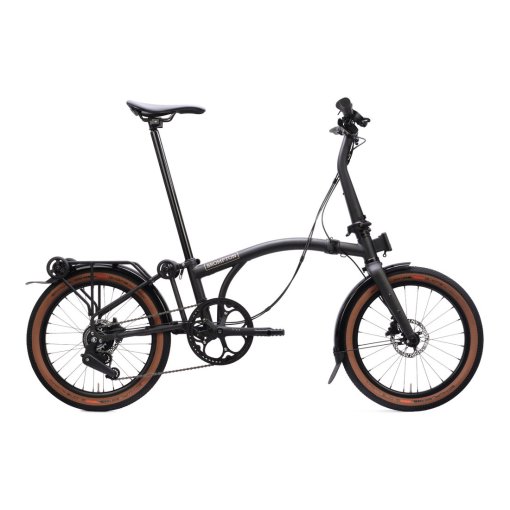
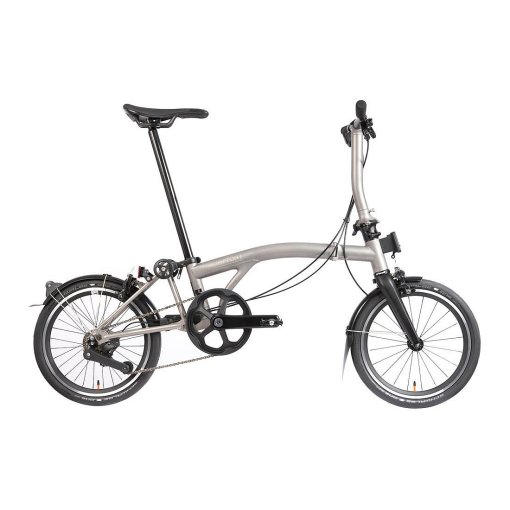
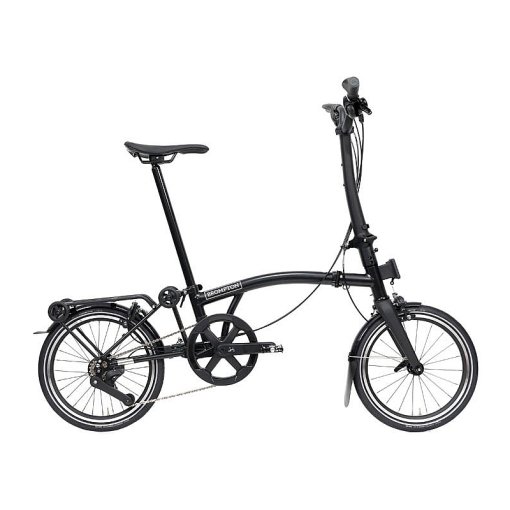
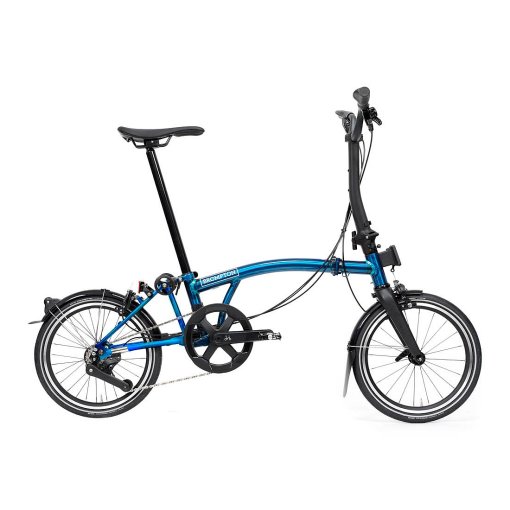
Folding & Foldable Bikes – Compact Travel Companions
Anyone who travels by train knows the problem: Overcrowded carriages often leave no room for bicycles – taking one on board may not even be possible. It’s no surprise that more and more people are turning to foldable bikes. For commuters especially, these compact machines are a game-changer: once folded, they’re classed as luggage, not bicycles – which means they can be taken on German trains free of charge and without a bike ticket. And when you reach your destination, they’re ready to ride in seconds and nimble enough to cover that last mile to work with ease.
What Are Folding and Foldable Bikes?
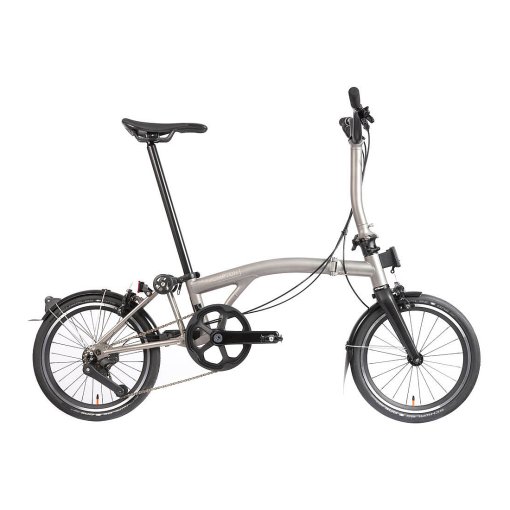
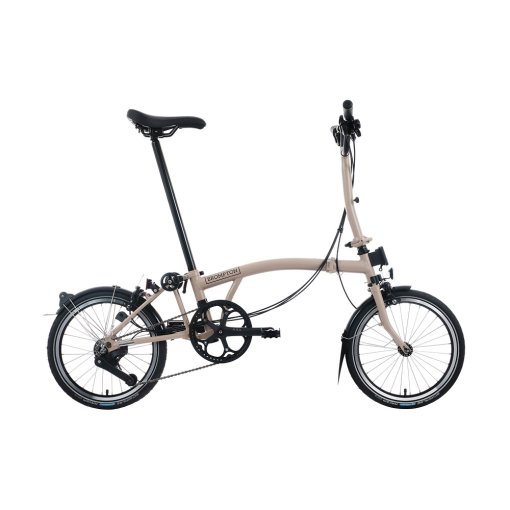
As the name suggests, these are bikes or e-bikes that can be folded down for easy storage. This makes them compact enough to carry on buses and trains, or to pack in the trunk of a car. Foldable bikes are the ideal travel companions for the city, holidays, and beyond. They’re a smart choice for camping trips and longer journeys too, since they take up far less space than a standard bike.
The biggest difference compared to traditional bicycles lies in the hinges built into the frame, seatpost, or handlebar, which allow the bike to fold into its compact shape. Smaller wheels are another hallmark: while most full-size bikes roll on 28-inch wheels, folding bikes typically use 20" or 24" to minimize folded size. Weight is also a key factor – most models use lightweight components to keep them as portable as possible.
When it comes to their features, foldable bikes don’t lag behind. You’ll find modern brakes, hub or derailleur gearing, and a variety of frame designs. From road-inspired folding bikes to gravel-ready models, there’s something for every rider. The most common remains the 20-inch folding bike, a popular city bike that’s especially practical for commuting.
Five Advantages of Folding & Foldable Bikes
- Fold up bikes are much more compact than standard bicycles
- Foldable design for quick, convenient storage
- Count as luggage on trains – no bike ticket required
- Easy to transport, even on camping trips or longer journeys
- Lighter overall weight thanks to smaller size and lighter components
Different Types of Folding Bikes
Just like conventional bikes, folding bikes come in a variety of styles. From the classic 20-inch foldable bike to modern models with electric assist, here are the most popular types at a glance.
20-Inch Folding Bike
The go-to option among foldable bikes. Found in nearly every brand’s lineup, these models often feature aluminum frames, with rim or disc brakes. Available with and without electric assist, 20-inch folding bikes are a top recommendation for anyone looking for a compact city bike
24-Inch Folding Bike
With slightly larger wheels, these bikes roll more easily over longer distances and rougher terrain – a plus if comfort and efficiency matter most to you.
Folding Bikes with Other Wheel Sizes
Though less common, you’ll also find foldable bikes with 14", 26", or even 28" wheels. These are often niche options, such as folding road bikes.
Folding Electric Bikes
With the e-bike boom of recent years, folding bikes with electric assist have become increasingly popular. Most models are equipped with a 250-watt motor that provides support up to 25 km/h, making daily rides smoother and less demanding. These bikes are especially popular with commuters who want to cover the last mile without arriving at the office sweaty, and with riders who value effortless mobility in everyday life. The trade-off is weight. While non-electric folding bikes often tip the scales at around 10 kg, an e-folding bike can easily weigh twice as much. That makes them less convenient to carry than classic folding bikes, even if they’re just as compact once folded. Still, for many riders, the extra comfort and ease of use more than make up for the added kilos. Find out more about foldable e-bikes.
Buying a Folding Bike – What to Look Out For
Folding bikes range from affordable city models to premium options built for longer tours. The right choice depends on your needs – but there are a few things worth considering.
The most important factor is size and weight, along with the folding mechanism itself. A good folding bike should be as compact and light as possible, while still feeling stable to ride. Folding and unfolding should also be quick and intuitive. Some brands, like Brompton, have refined their designs so well that the bikes fold and lock in place in under 20 seconds.
Component quality is another key point. Reliable, durable parts – ideally from a single groupset family – ensure your bike will perform smoothly over the long term, without constant repairs or replacements.
Safety matters too. Look for a solid braking system, with hydraulic disc brakes being the gold standard. Always check the manufacturer’s size and weight limits, which typically range between 95 and 135 kg depending on the model. And don’t overlook visibility – a good set of lights is essential for staying safe when riding at night.
Practical Accessories for Folding Bikes
Like any bike, a folding bike performs best with the right bike accessories. A bell, a reliable set of lights, and a secure lock are must-haves, and if you plan to travel, a protective bag will make transport easier while keeping your bike safe from scratches and damage.
Clothing plays a role too. A good helmet is essential, no matter where you ride. And if you’re considering an e-folding bike, keep in mind that the added speed from the motor makes a windproof jacket a smart investment for comfort and safety.
Five Folding Bike Tips for Everyday Riding
- In most public transport systems, folding bikes are classed as luggage and can usually be carried free of charge. However, there can be exceptions – for example during peak periods on routes covered by the Deutschland-Ticket. Always check the latest transport rules before your journey.
- Fold your bike before boarding the train. Otherwise, it may be considered a standard bicycle and you could be asked to buy a bike ticket.
- Many folding bikes feature clever mechanisms that allow partial folding. This makes it possible to push the bike even when collapsed, with the seatpost serving as a practical handle.
- When traveling by bus or coach, your folding bike belongs in the luggage compartment. A transport bag will protect it, and it’s best to load it last, so it rests on top of other items and doesn’t get damaged.
- If you regularly take your folding bike indoors, make sure to clean and maintain it often. This saves trouble for you and for cleaning staff. At BIKE24, you’ll find a wide range of bike care products to help keep your bike in top condition.
Are Folding Bikes Worth It?
In short: yes. Even if they don’t always match the performance or comfort of full-size bikes, foldable bikes are incredibly versatile. They’re compact, practical, and adapt to countless situations – from city commutes to holiday travel. That makes them perfect for anyone who values flexibility, everyday mobility or occasional adventures. If you’re looking for a smart solution that fits your lifestyle, a folding bike is well worth considering.