Bike Pumps – Keep Your Tires Inflated and Your Rides Rolling
A flat tire – every cyclist's nightmare! Whether you're stranded mid-ride or discover your bike sitting sadly in the garage with deflated tires, a bike pump is your lifesaver – that's why it's must-have gear. But when you search for "bike pump," choosing the right one isn't as simple as it seems. Discover the different types available and what to look for when buying. Read more.
These exciting topics await you:
- The Bike Pump – A Must-Have for All Cyclists
- Bicycle Pumps for Your Workshop at Home
- Bike Pumps for Punctures on the Road
- Bicycle Pumps – Complete Line-up at a Glance
- Buying a Bike Pump – Find the right one for You
- Bicycle Air Pump – Practical Accessories for Your Air Pump
- Buying a Bike pump – Category Overview
The Bike Pump – A Must-Have for All Cyclists
A loud hiss – and suddenly you're stranded on the roadside. Few sounds are as dreaded by cyclists as a suddenly deflating tire. Thanks to more robust bicycle tires and better inner tubes, punctures are becoming increasingly rare these days. Nevertheless, every regular cyclist will eventually find themselves stuck with a flat tire. In addition to a spare inner tube and puncture repair kit, a bike pump saves the day in such situations. That's why this essential gear is found in every home bike workshop.
How most bike pumps work is pretty straightforward: a piston is pressed into a housing, which sucks in air and directs it into a tube or chamber. With bicycle tires that have inner tubes, this air flows directly into the tube via the valve. With tubeless tires, it enters the tire directly via the valve chamber. A bike pump works on the same principle as any other air pump – just in a more compact design.
But not all bicycle pumps are the same. Over the years, a wide variety of bike pumps have been developed for a wide range of purposes – from the classic floor pump with a gauge to display the air pressure to the ultra-compact CO2 cartridge pump that completely inflates your road tires within seconds. There are also high-pressure pumps for tubeless tires and special pumps for air springs as found on modern suspension forks. Below we present the different types of bike tire pumps and their purposes in detail.
Bicycle Pumps for Your Workshop at Home
As you can see, you really are spoiled for choice when it comes to bike pumps. Basically, the range of pumps is divided into pumps for use at home and pumps for on the road. Home pumps are robust and stable, perfect for your bike workshop or garage. Portable pumps are lightweight and easy to transport, so you can easily take them with you on a tour.
Floor Pumps – The Classics Among Bike Pumps
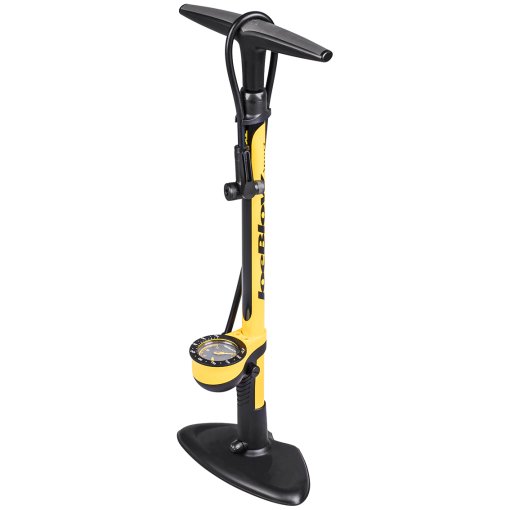
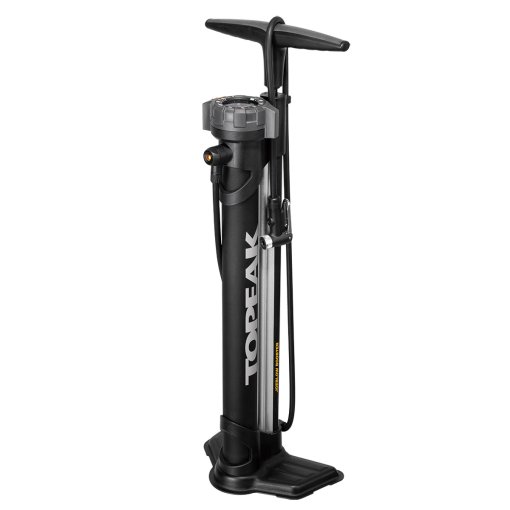
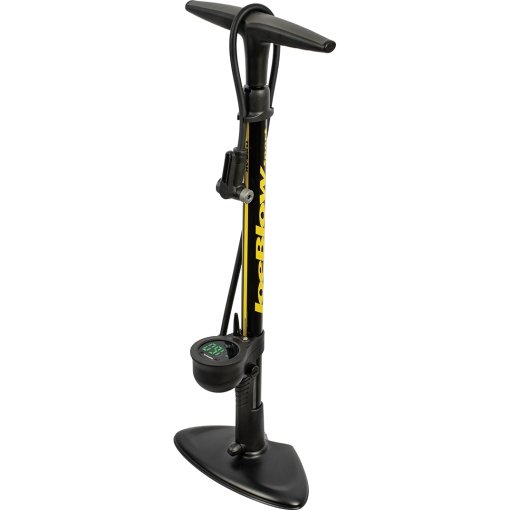
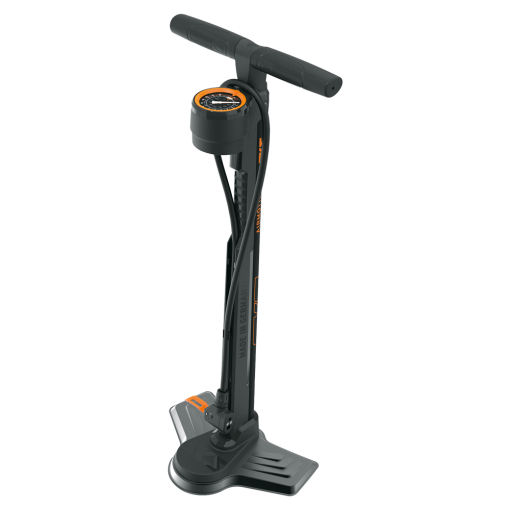
The classic among bike pumps has to be the floor pump. It usually consists of a robust base that ensures the pump stands securely. You also get an elongated pump cylinder, a pump handle, a hose with a valve attachment and clamping device as well as a gauge that clearly indicates the air pressure in bar or psi. This design is the main advantage of the floor pump: it has a high pumping capacity and allows even large-volume mountain bike tires to be inflated relatively quickly. They're also very easy to operate.
Floor pumps also vary by model: For a 29-inch mountain bike, for example, you should choose a floor pump with a thicker tube and a large volume per stroke. For a road bike with narrow tires, the tube should be thinner and allow for smooth pumping at high pressure. Another essential feature of the floor pump is a valve head that is suitable for all valve types. Also, at least the pump tube should be made of metal. This ensures the pump can handle high air pressures
Tubeless Pumps – The New Generation of Floor Pumps
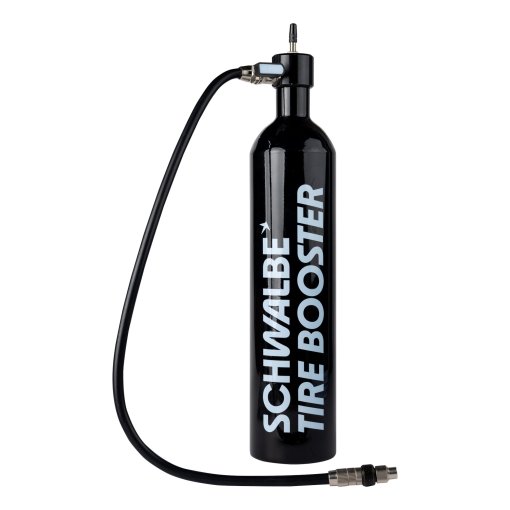
An increasingly popular version of the classic floor pump is the tubeless pump. The special seating process of tubeless tires requires a strong burst of air when inflating, which flows suddenly into the tire. This is because the tire bead must snap quickly into the rim so that the transition from tire to rim is sealed. Tubeless pumps have a high-pressure cylinder that's first filled with air before the stored air is released with force into the tire via the valve. Tubeless pumps combine the classic floor pump with a high-pressure cylinder. Since you can also use this type of pump as a standard pump with normal inner tubes, a tubeless pump can be even more useful for your home workshop than a regular floor pump.
Foot Pumps – The Convenient Alternative to a Floor Pump
When using a floor pump, you mainly have to work with your arms. However, there are also pumps that work with your feet. Foot pumps do not have a handle, but a foot bar that you operate with your own body weight. The advantage is obvious: Instead of having to bend over the pump, you can pump comfortably while standing. This is why the foot pump is usually a good choice for people with less muscle strength. The disadvantage of these models is that inflating tires is often not quite as quick as with floor pumps. Like its upright counterpart, the foot pump also has a gauge for reading the air pressure and a valve head for several valve types.
Shock Pumps – The Special Case Among Bike Pumps
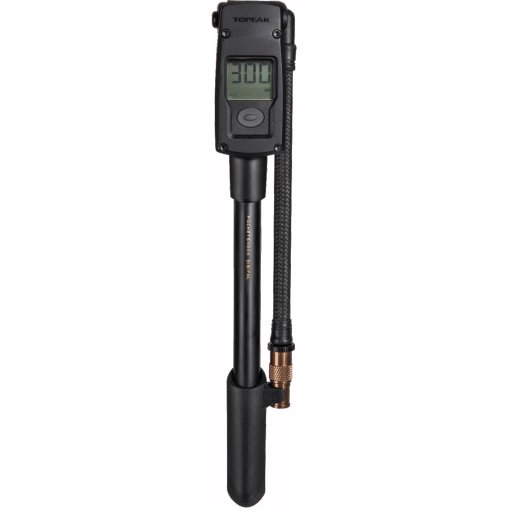
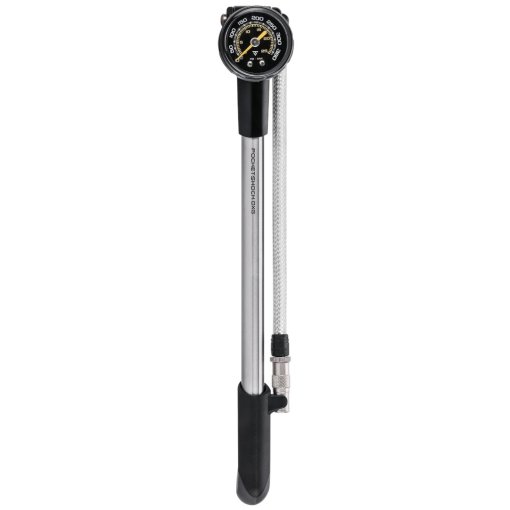
The shock pump is nothing like your typical bike pump. The reason: In contrast to tires, you use a shock pump to inflate air springs as found on suspension forks or rear shocks. This is why shock pumps are often referred to as suspension fork pumps. They are needed to refill the air that escapes from the corresponding suspension elements over time. The high-pressure pumps equipped with gauges allow the desired air pressure to be set precisely. This allows the suspension elements of the mountain bike to be adjusted to the rider's body weight and riding style.
Bike Pumps for Punctures on the Road
While home workshop pumps are too bulky to take on a bike ride, there are also pumps designed specifically for portable use. These on-the-go bike pumps come in different designs that appeal to different riders. Mini pumps and CO2 cartridge pumps are especially popular these days. Here are the different portable pump types in detail.
Mini Air Pump – Practical and Always With You
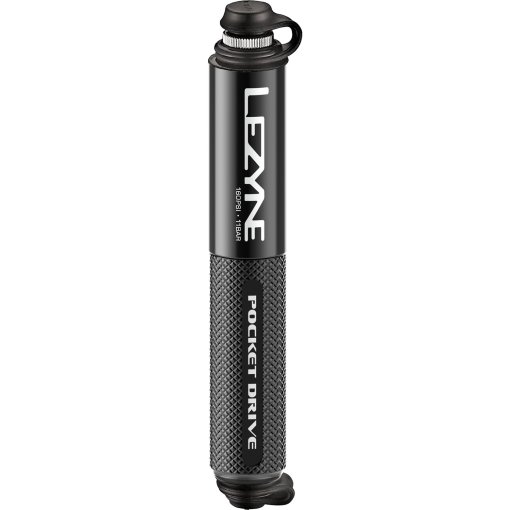
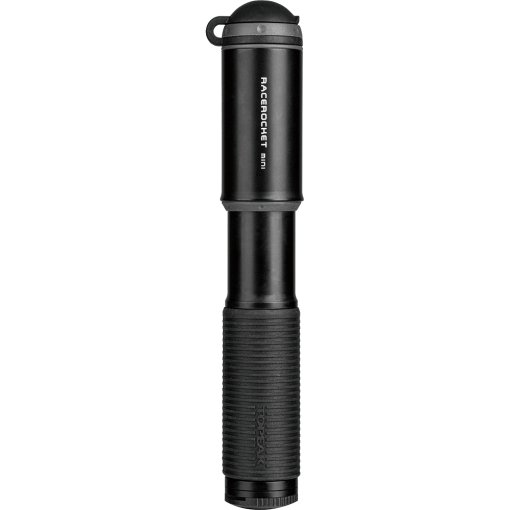
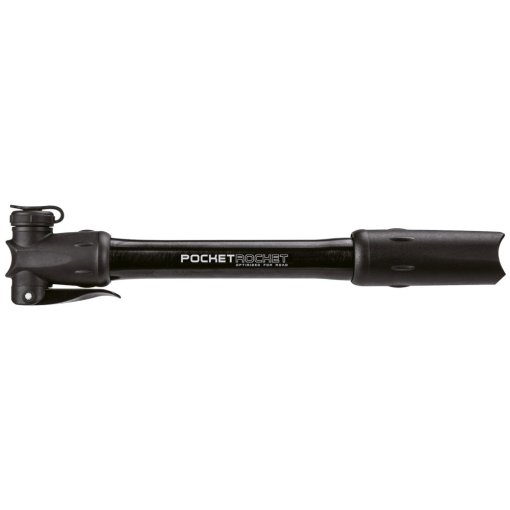
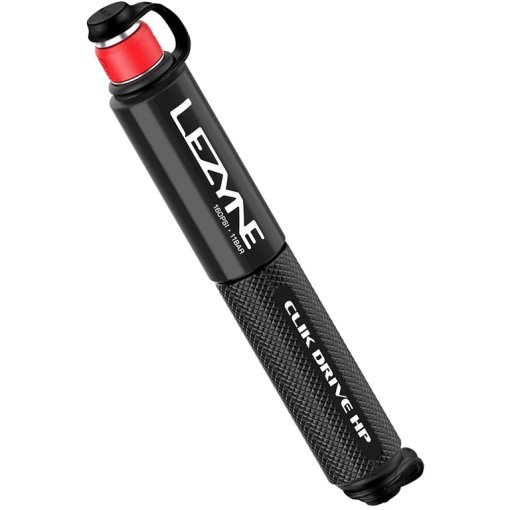
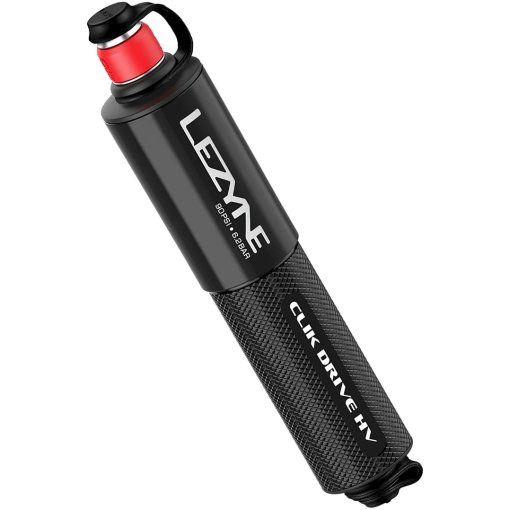
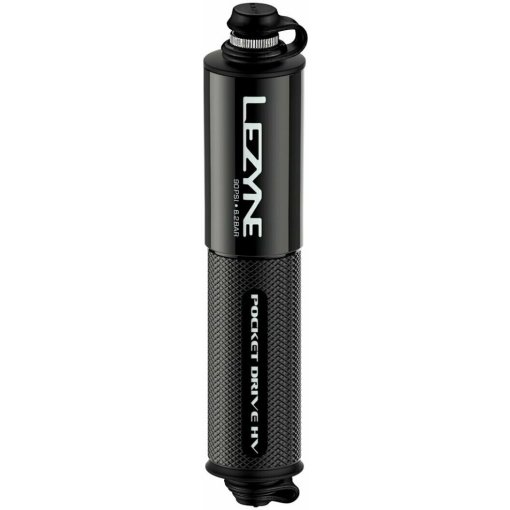
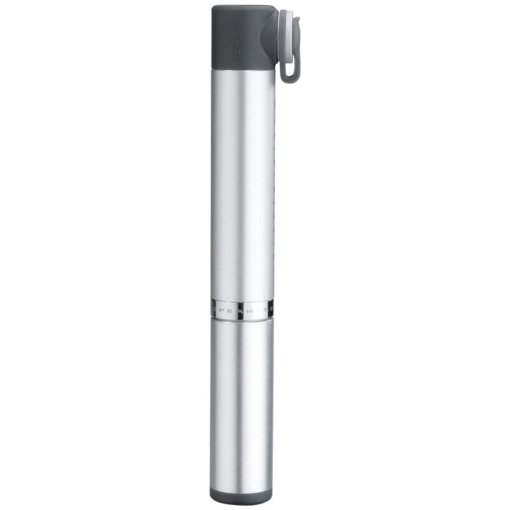
Small but powerful. That's how you could describe mini pumps for short. These are particularly small hand pumps that have a solid pumping capacity despite their narrow dimensions. Due to their compact size and light weight, this type of pump is particularly popular with cyclists. At the same time, these puncture tools are also ideal for touring adventures or city bike rides. They fit in any jersey pocket or bag, and many models can also be easily transported on the bike itself using a mount. Mini pumps are usually made of plastic or aluminum. The features are varied: they are available with an ergonomic T-handle, with a telescopic function or with an extendable hose. A tip: Pumps with a two-chamber pump system, which collects the O2 during both the pressure and the stroke, ensure a higher pumping capacity.
CO2 Cartridge Pumps – It Doesn't Get Any Smaller Than This
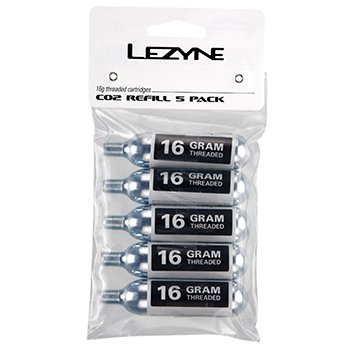
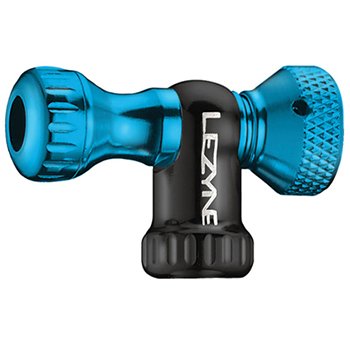
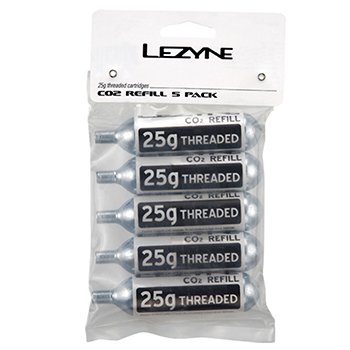
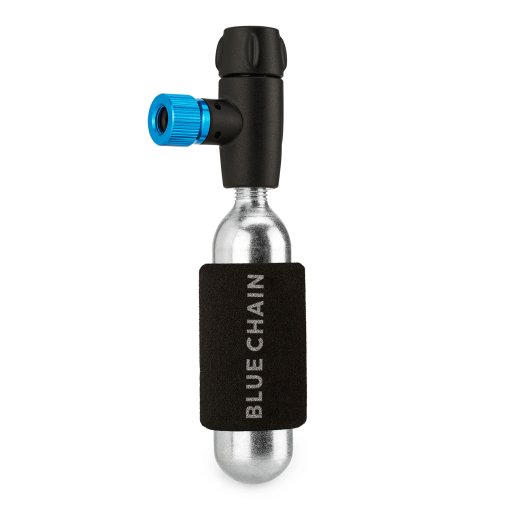
Think mini pumps are the smallest bike pumps on the market? Think again. CO2 cartridge pumps inflate your tires using CO2 from a small cartridge. This happens lightning fast – just a few seconds. No strength is required. You can control the pressure with a rotary knob on the side. The downside: when the cartridge is empty, you need a fresh one. Always carry spare cartridges to handle multiple flats. That's why CO2 bike tire inflators are especially popular with road cyclists who need quick puncture repairs during races. Beyond competition use, CO2 pumps also work great for seating tubeless tires.
Electric Bike Pumps – Comfortable and Compact
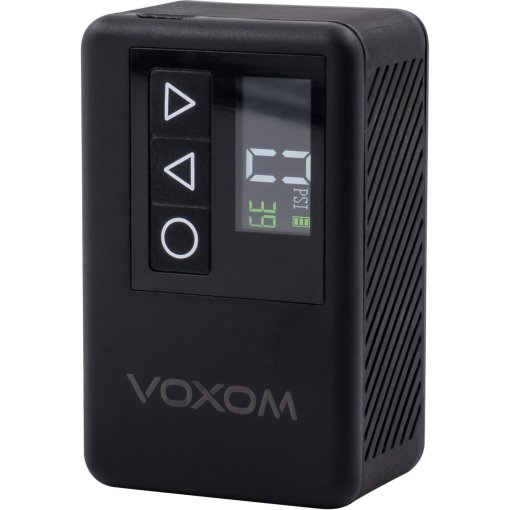
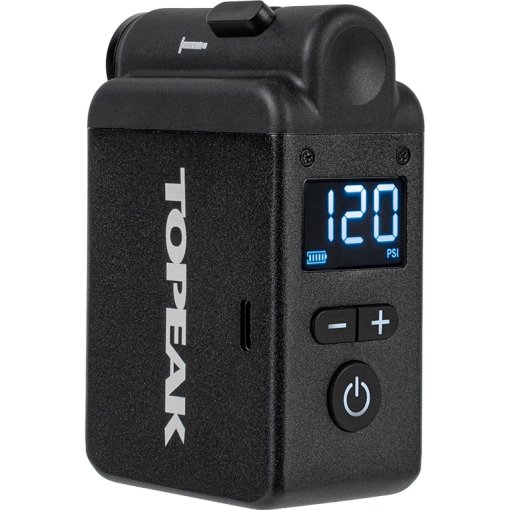
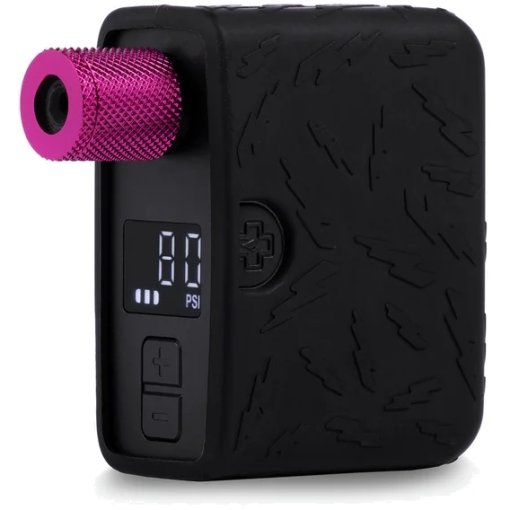
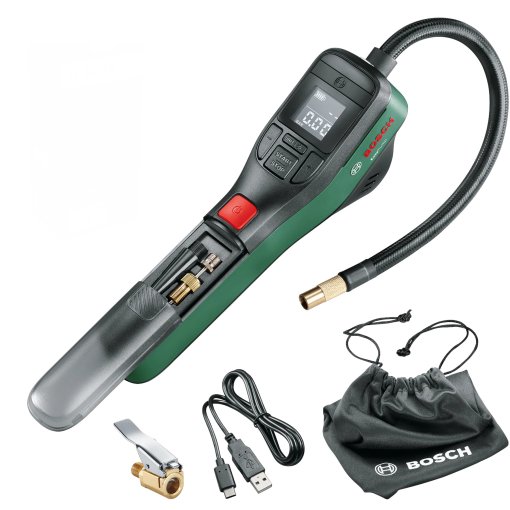
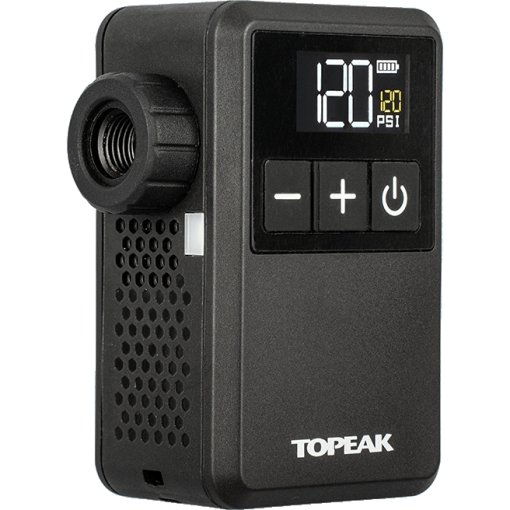
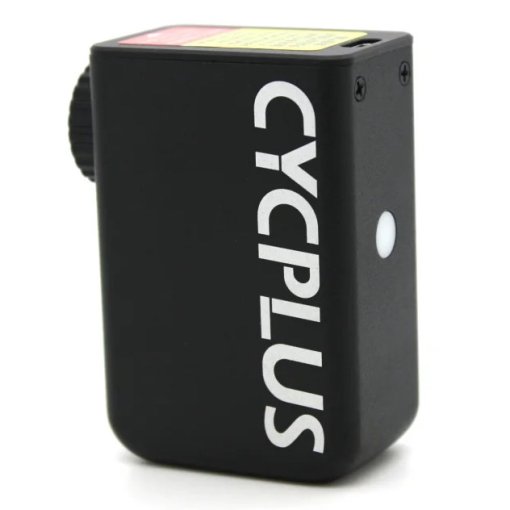
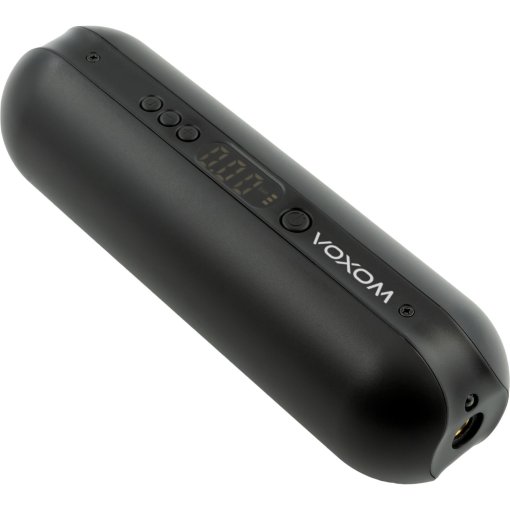
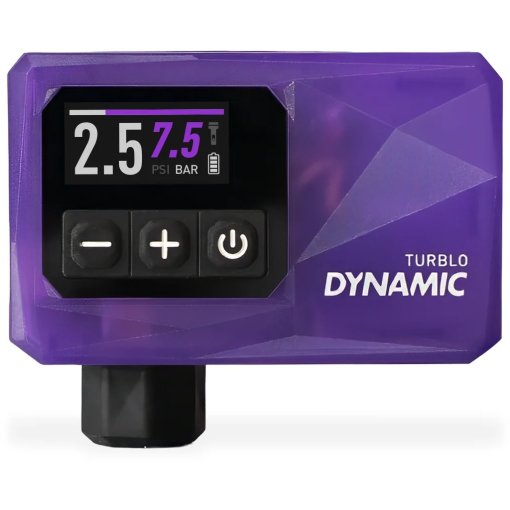
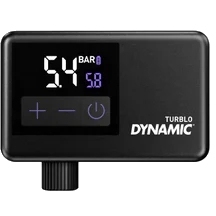
Portable electric bike pumps are game-changers for effortless pumping on bike tours – especially when you're in a rush during daily rides. They're compact, battery-powered and can even be charged with a powerbank. Just hit a button, and they pump your tires quickly and precisely to your desired pressure. A digital gauge shows the air pressure clearly, while the various valve adapters work with all common valves. Road bike models are ultra-lightweight and reach high pressure, while the mountain bike options deliver more volume. Key features to look for are robust construction, long battery life and simple operation. Bonus features like a powerbank or flashlight make them versatile companions.
Bicycle Pumps – Complete Line-up at a Glance
- Floor pump: The classic that belongs in every garage
- Tubeless pump: Floor pump with high-pressure cylinder for inflating tubeless tires
- Foot pump: For convenient pumping when stationary
- Shock pump: For filling suspension forks and co
- Mini pump: Small, yet powerful. Perfect for on the go
- CO2 cartridge pump: Lightning-fast inflation of tires using a CO2 cartridge
- Electric Pumps: Effortless and precise inflation in seconds
Buying a Bike Pump – Find the Right one for you?
Now that you've learned about the different types of tire pumps for bikes, how do you know which one is right for you? It all depends on how you plan to use your pump. Looking for a powerful pump for home use? A floor pump or tubeless floor pump is probably your best bet. Want a comfortable pump for your home workshop? A foot pump is probably the best choice. If, on the other hand, you need a bike tire inflator for on the go, then you should take a closer look at mini pumps or CO2 cartridge pumps.
The good news: we offer all types of air pumps in many different models. Each product description includes detailed information about the pump's intended use and technical specifications.
The Right Pump for Every Valve – These Valves Are Available on Bikes
The car valve is also known as the Schrader valve. As the name suggests, it originally comes from the automotive sector. Its great advantage is that you can also fill it up at a gas station. This can be very helpful, especially during a bike ride. This bicycle valve is also known as a Dunlop or Woods valve. This type of valve is mainly found on city bikes. However, there are no advantages over other valve types. We offer a large range of bike pumps for Dunlop valves.
But we have some good news for you again: most bike tire pumps are suitable for different valve types. In our product descriptions, we always indicate which valves a bike pump is suitable for.
The Right Pump for the Right Air Pressure – What Is Bar and Psi
Along with intended use and valve type, you also need to consider the pressure that a bicycle pump can deliver. Road bike enthusiasts, for example, need pressures of up to 8 bar or more, while city riders can get by with 3 or 4 bar. That's why we always specify in our product descriptions the maximum air pressure each pump can reach.
One question that comes up a lot when buying an air pump (or inner tube or bicycle tire): what's the difference between bar and psi? Every bike pump with pressure gauge displays pressure in either bar or psi. In Germany and other central European countries, bar is the standard unit, while English-speaking countries typically use psi. To convert bar to psi, simply multiply the bar value by 14.504. To convert psi to bar, multiply the psi value by 0.069.
Bicycle Air Pump – Practical Accessories for Your Air Pump
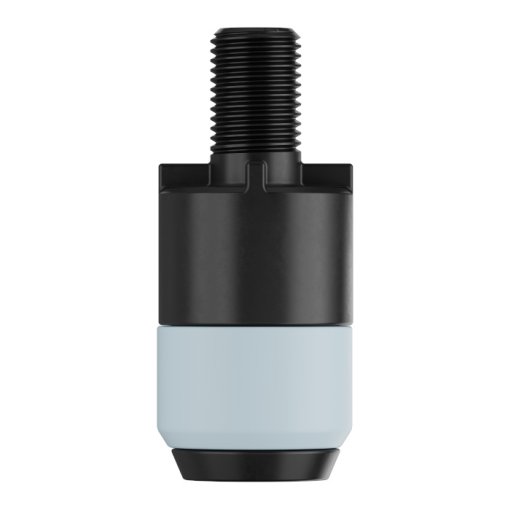
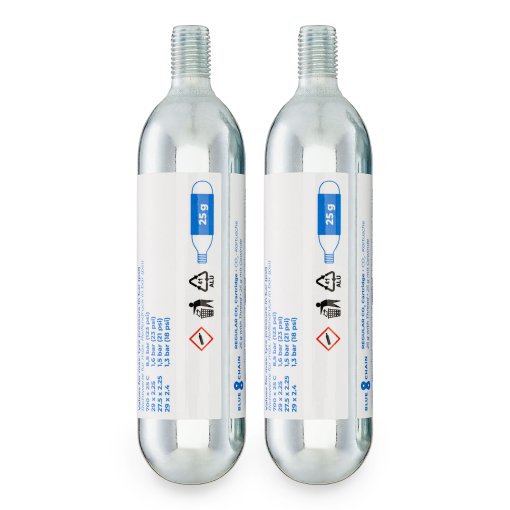
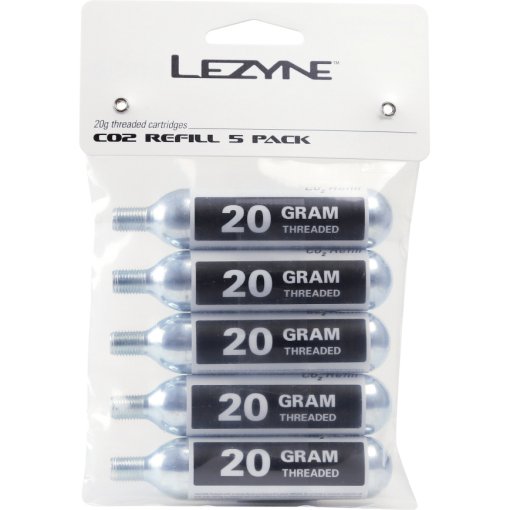
Already have an air pump but looking for accessories? We offer a wide selection. You'll find spare pump heads, replacement valves, valve adapters, valve caps and valve extenders. CO2 cartridges are also a popular accessory for cartridge pumps. These are available in various sizes and designs. Larger packs are also available so that you always have the right amount of CO2 cartridges on hand.
Buying a Bike pump – Category Overview
From CO2 cartridge pumps to tubeless floor pumps – now you know everything there is to know about bike pumps. Here are your key takeaways:
- Bike air pumps are available in different versions, both for use at home and for use on the road.
- In the home workshop, floor pumps, tubeless floor pumps and foot pumps are the most widely used.
- We recommend mini pumps or CO2 pumps for taking on your ride or on the daily commute to work.
- Other models are available depending on the intended use. Road cyclists or mountain riders who need high air pressures and want to save time when pumping are well advised to use a CO2 pump. A mini pump is usually sufficient for commuters. All cyclists should have a floor pump in their home workshop to make it easier to inflate the bike.
- Shock pumps are a special case. They are not used to inflate the inner tube or tires, but to inflate air spring elements of your suspension – especially on the suspension fork.