

Shop Bike Frames Online at BIKE24
The bike frame defines the riding experience, efficiency and possible uses of your bike and is therefore crucial for performance and riding comfort. Whether for MTB, road, gravel or touring - here you will find a selection of the best bike frames for your build project. Find out here what you should look out for when buying a bike frame to find the optimal setup for your requirements.
From Geometry to Material - How the Frame Shapes Your Bike Adventures
The bike frame is much more than just a connecting element between the handlebars, saddle and pedals. It is the central element that influences the characteristics of your bike. Its basic design determines on which terrain the bike has its greatest strengths. The frame geometry determines how aerodynamically or comfortably you sit on the bike. And the material influences the weight, comfort and stiffness. In short: if you want to build yourself a new bike, the choice of frame is the first and most important decision you have to make.
Everyday, Bikepacking or Racing - Bike Frames According to Purpose
The intended use is traditionally the first basis for the decision. Depending on the type of bike and terrain, bike frames vary greatly in their construction and geometry:
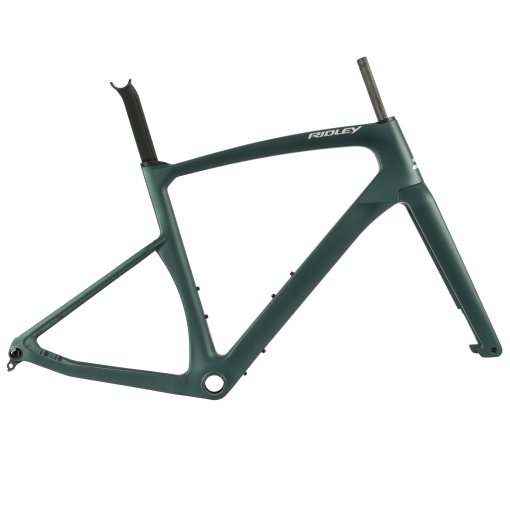
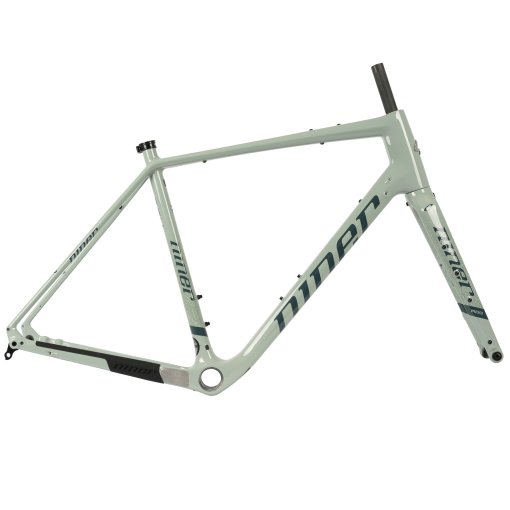
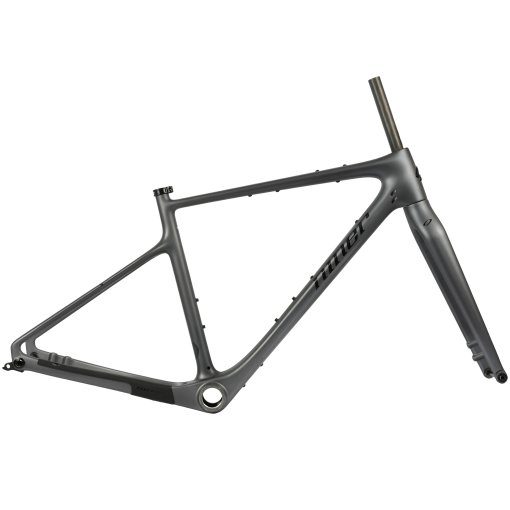
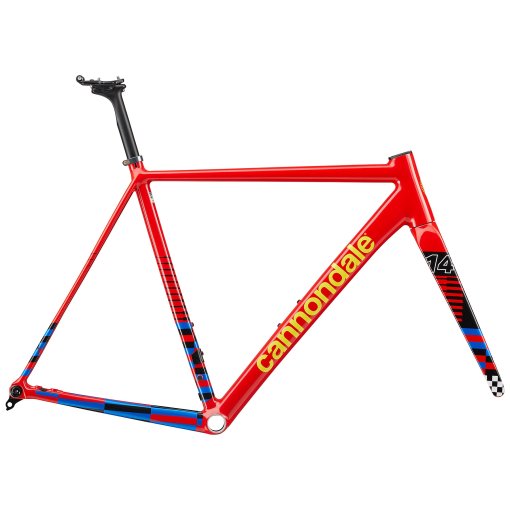
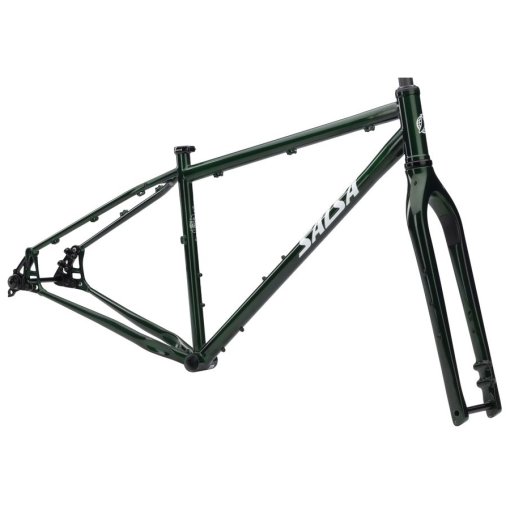
- Cyclocross & Gravel frames: For fast off-road adventures. Cyclocross and gravel frames often come with additional mounting options for accessories.
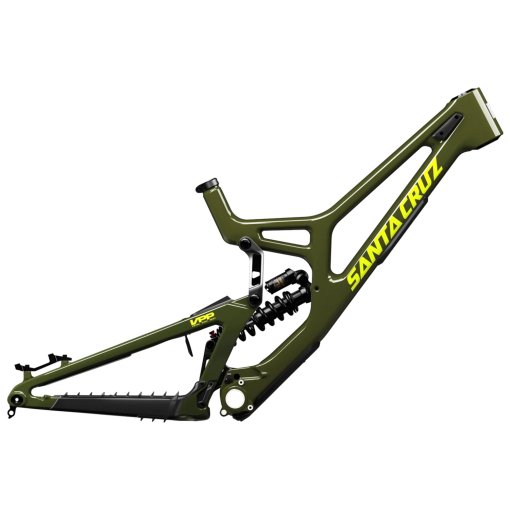
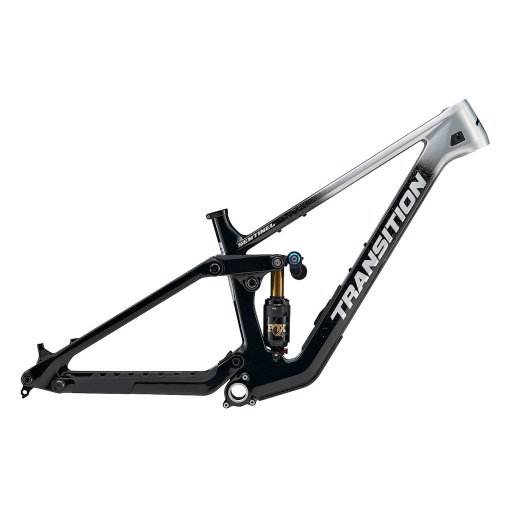
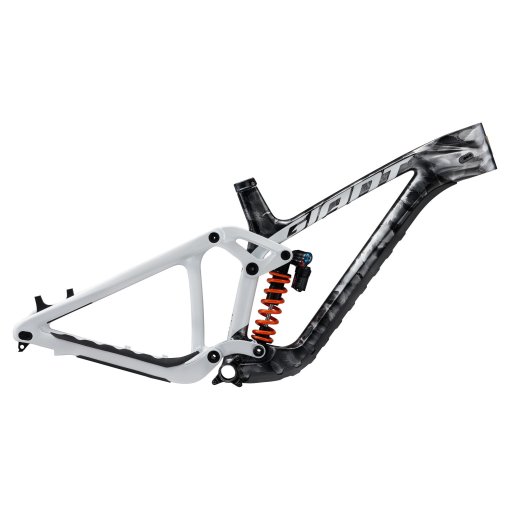
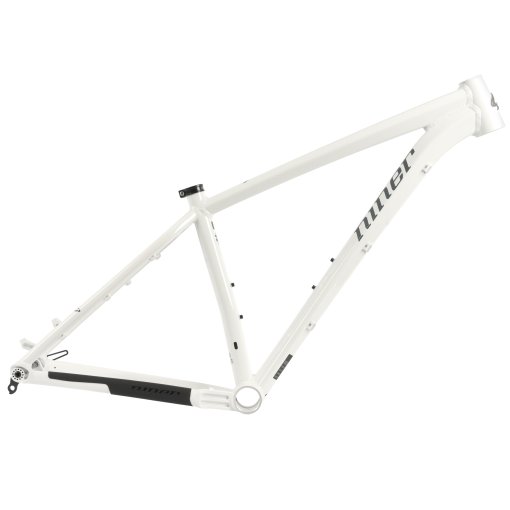
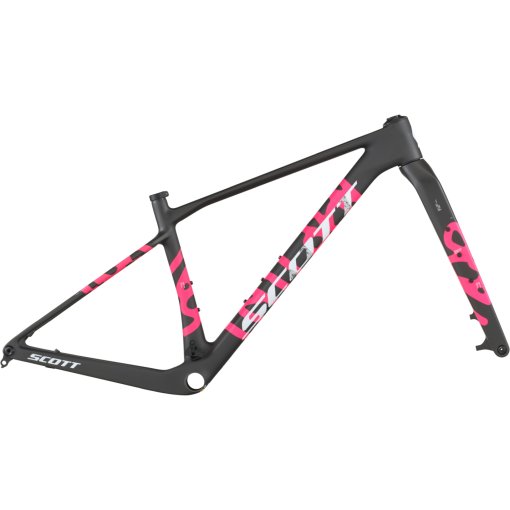
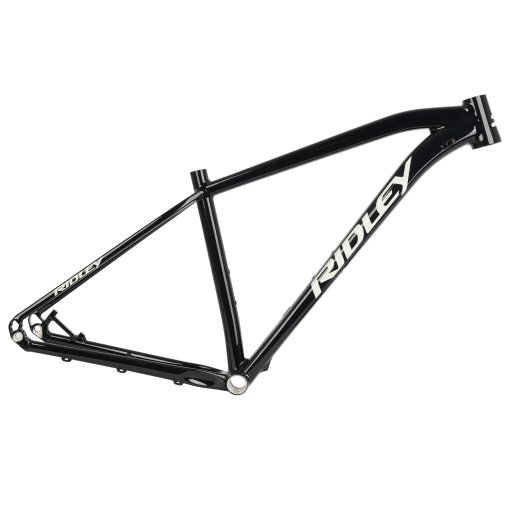
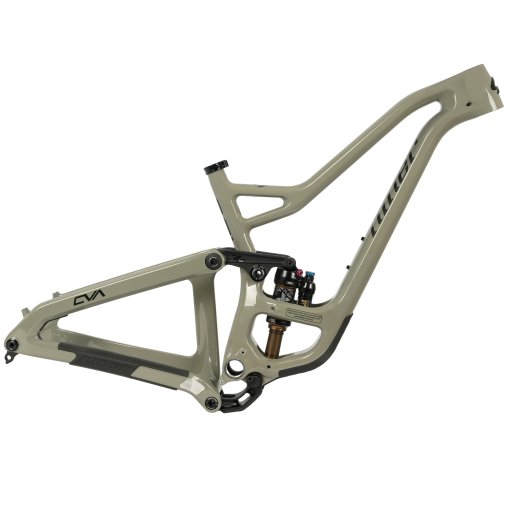
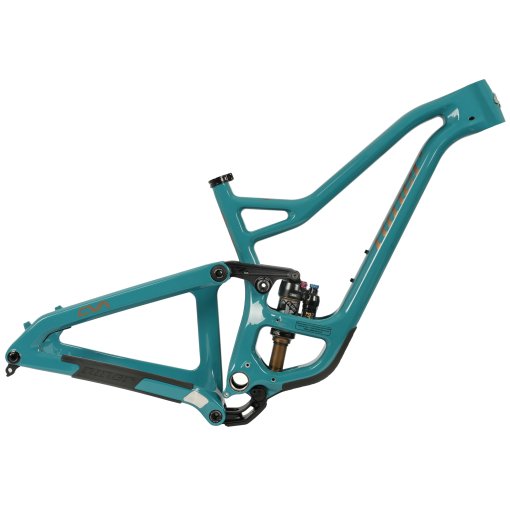
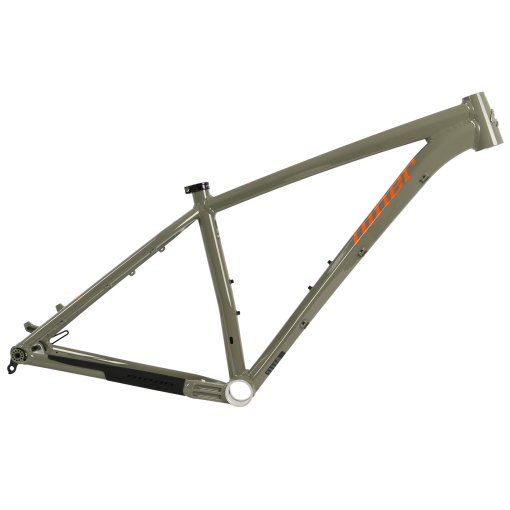
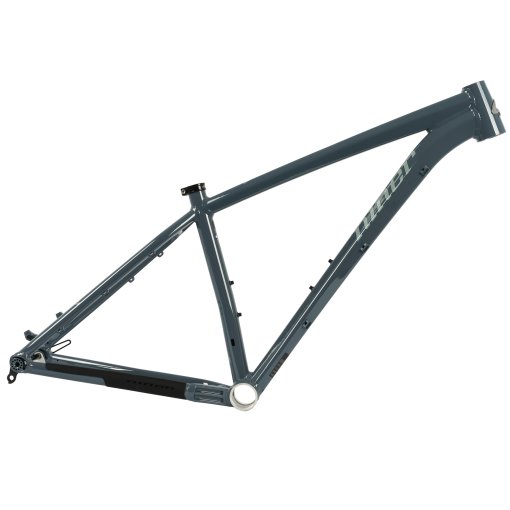
- Mountain bike frames: Designed for challenging trails and downhill tracks. MTB frames are usually available as hardtail or fully.
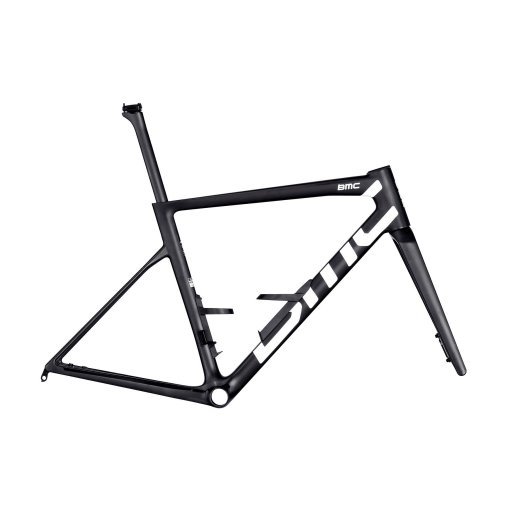
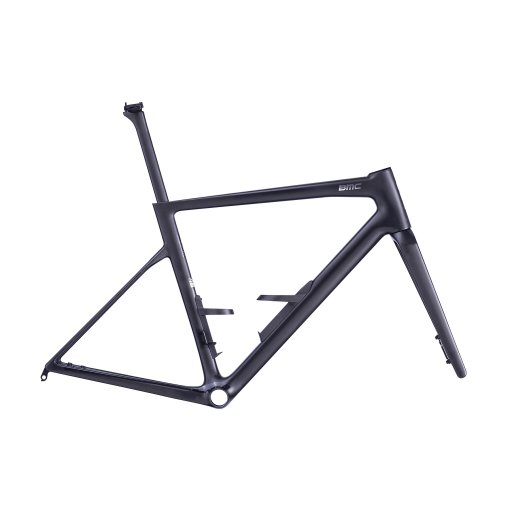
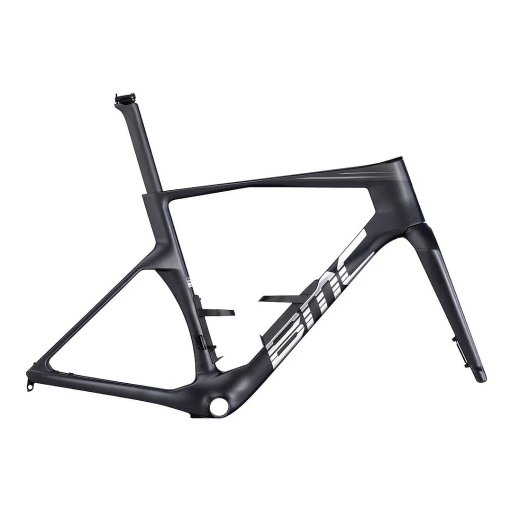
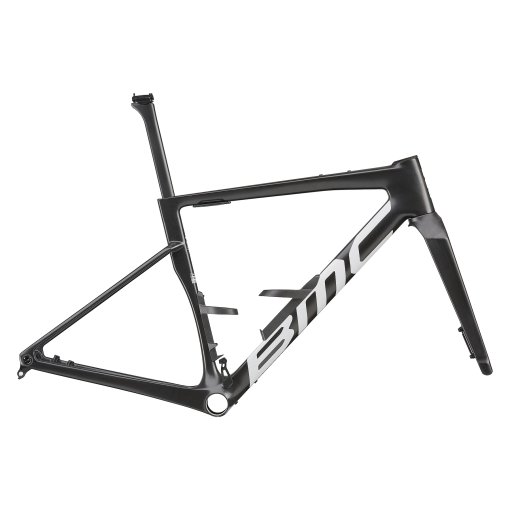
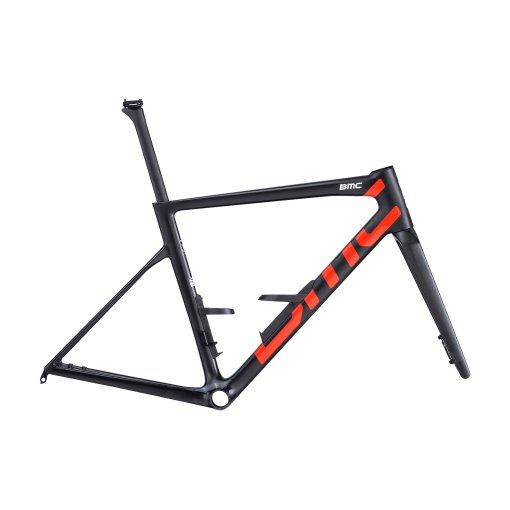
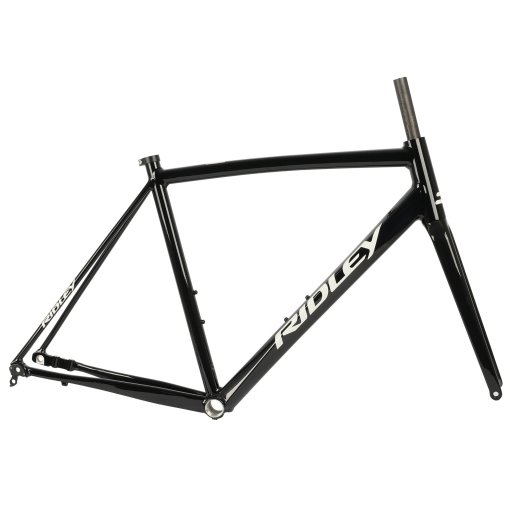
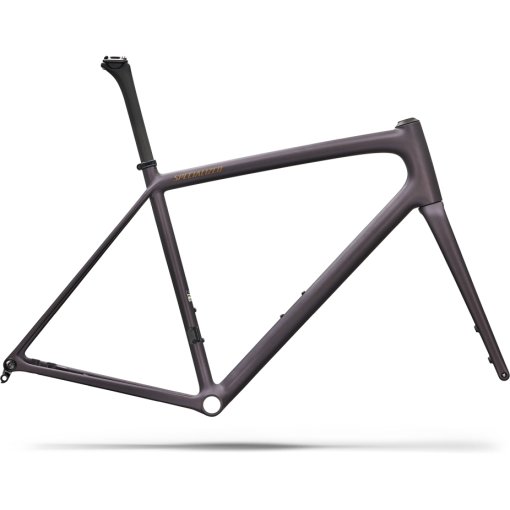
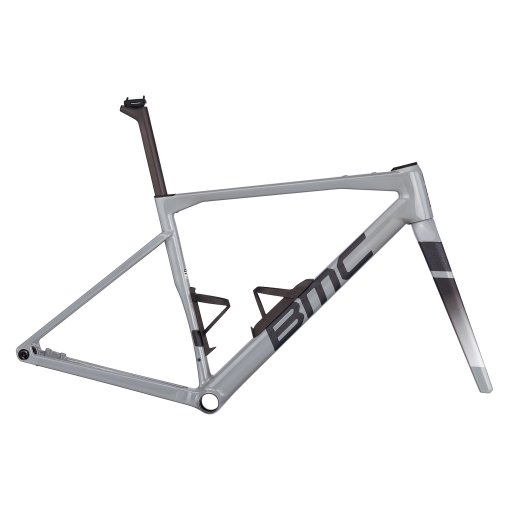
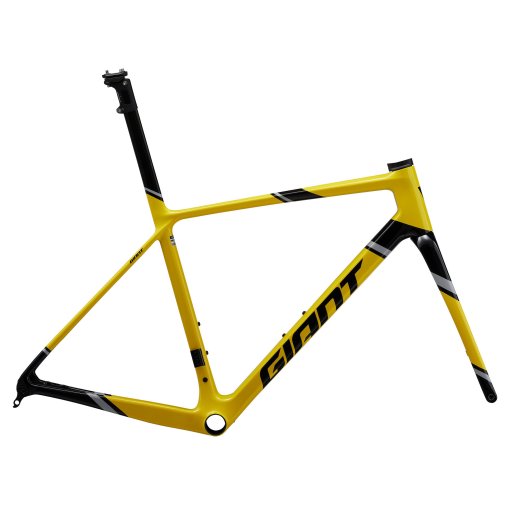
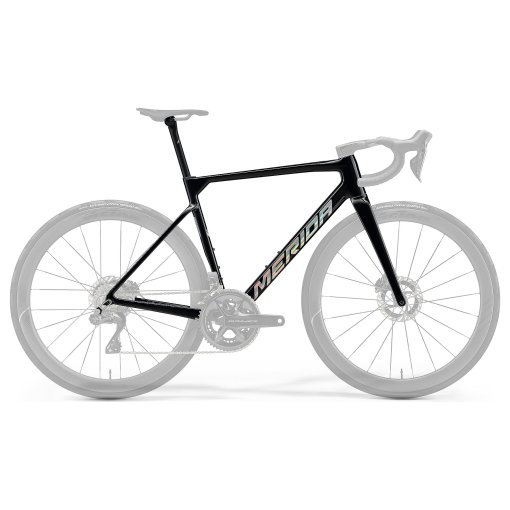
- Road bike frames: Aerodynamics and lightness are the most important factors here. They are often made of carbon or aluminium.
- Trekking frames: These frames offer enough mounting options for luggage and are comfortable for long distances. Often made of aluminium.
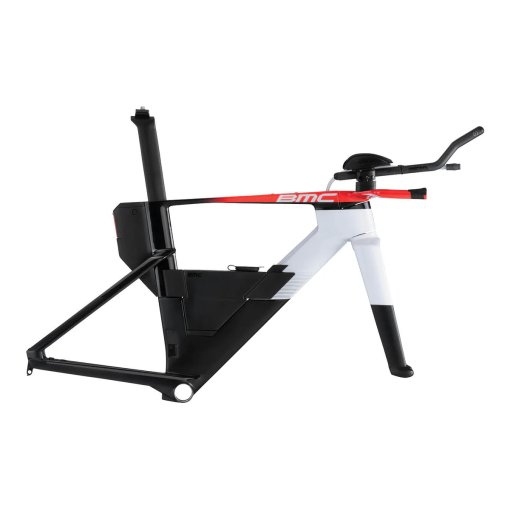
- Triathlon frames: Specially designed for triathlon sports, these frames are extremely aerodynamic.
Bicycle Frames and Their Geometry - Comfort, Speed or Both
The geometry of a bicycle frame has a decisive influence on the handling of your bike. It depends heavily on the intended area of use and your riding style. Before buying a frame, you should therefore consider sizes such as frame height, head angle, wheelbase, stack and reach so that you can find the perfect geometry for your needs.
Bicycle Frames and Their Materials - From a for Aluminum to T for Titanium
The material of a bicycle frame is also decisive for the riding characteristics. Four materials dominate the market: aluminium, carbon, steel and titanium.
- Aluminum frames are light, inexpensive and offer good rigidity. They are the most common choice for all-round bicycles.
- Carbon frames are extremely light and stiff, making them the preferred choice for road bikes and mountain bikes. However, they are more expensive.
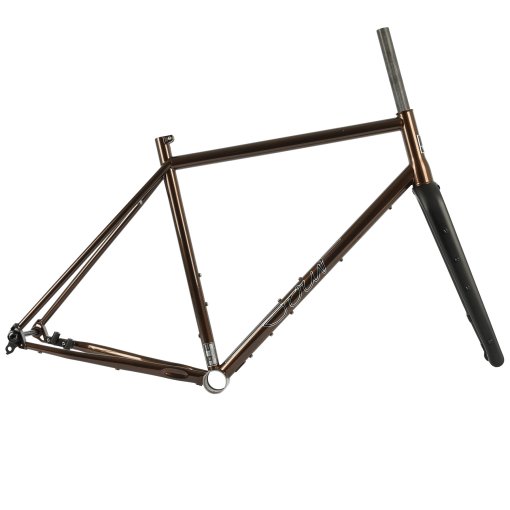
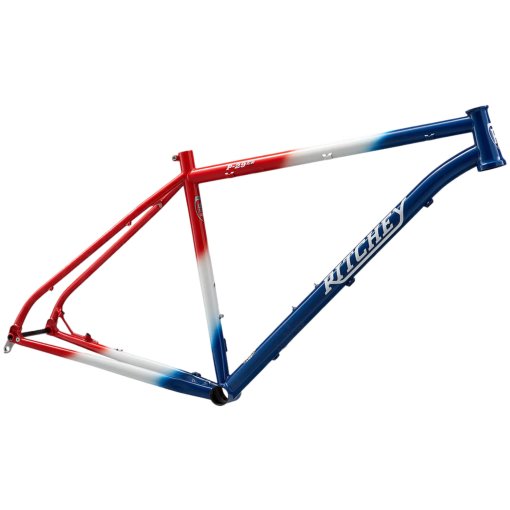
- Steel frames are robust and durable, but have a higher weight. Steel frames are often used in touring bikes where reliability and comfort are crucial.
- Titanium frames combine the robustness of steel with a lower weight. However, these frames are more expensive and are rarely found on the market.
Buying a Bike Frame - How to Choose the Right Frame
When buying a bike frame and building your dream bike, you should consider a few important aspects to ensure that everything is compatible. Here are the most important points:
- Area of use and material: the frame type should match your intended area of use. The material also plays a role: aluminium is light and affordable, carbon offers low weight and high stiffness, steel is comfortable but heavier.
- Standards for the components: The bottom bracket standard of the frame is crucial for the crank to fit. Also pay attention to the head tube size, such as tapered or straight, and compatibility with the fork. The axle standard is relevant for the wheels. You should also find out about the type of disc brake mount.
- Geometry and size: The frame size must suit your physique and riding style. The geometry of the frame influences comfort and riding characteristics.
- Seatpost compatibility: The diameter of the seatpost is crucial. However, some manufacturers also use their own forms of seatposts that are specially adapted to the frame.
- Cable routing: Modern frames usually offer internal cable routing, which is visually appealing but requires more maintenance. It is important to check whether the frame is suitable for the desired electronic or mechanical shifting.
- Extras and future-proofing: Check whether the frame offers additional mounting points for accessories such as fenders or pannier racks. Also make sure that modern standards such as thru axles are met and that you can retrofit electronic shifting if necessary.
We will be happy to help you find the perfect frame for your dream bike. With our filters and detailed information in the data sheets, you are well advised. Use our online shop or contact our customer service team for personal advice.