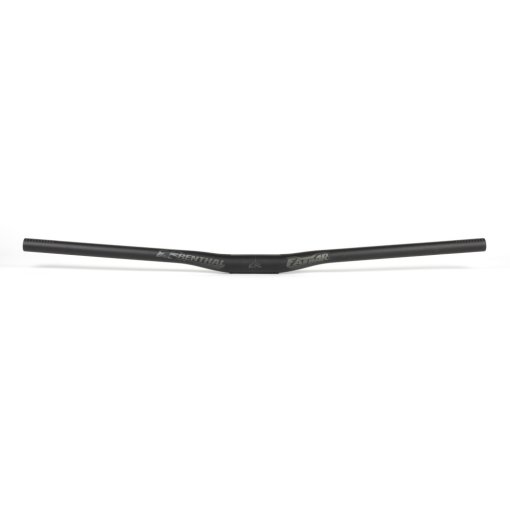
MTB Handlebars

Popularity

Find your perfect MTB handlebars at BIKE24

No other cockpit component changes your trail feel as immediately as MTB handlebars. Add 20 mm of rise, change the backsweep by two degrees, or switch from aluminum to carbon – and the same bike can feel completely different. That’s what makes the handlebar one of the most effective cockpit upgrades: small change, big impact. Width, shape, and material influence how precisely your bike responds to steering input, how easily you shift your weight in steep terrain, and how fresh your hands stay on long rides. At BIKE24, you’ll find MTB handlebars for every setup – from lightweight carbon flat bars for XC racing to wide riser bars for enduro and bike park riding. Discover MTB handlebars from top brands such as Race Face, Ritchey, DXC, Syncros, and Renthal.

Why the right MTB handlebars matter on the trail

Steep root sections, tight switchbacks, long climbs out of the saddle – your handlebar shapes how your bike handles in every situation.

  • Precise control: Width, rise, and sweep determine how directly your bike responds to steering input.
  • Less fatigue: The right geometry reduces strain on your wrists and shoulders during long rides.
  • Custom setup: Different dimensions and materials allow you to build a cockpit that matches your riding style.

Mountain bike handlebar types: riser bar & flat bar

MTB handlebars come in two main designs: riser bars with raised grip sections and flat bars with a straight or nearly straight profile. The key differences come down to rise, width, and shape. These factors directly affect your hand position, upper-body posture, and weight distribution on the bike. Materials and construction also vary – from lightweight carbon flat bars to durable aluminum riser bars.

MTB riser bar

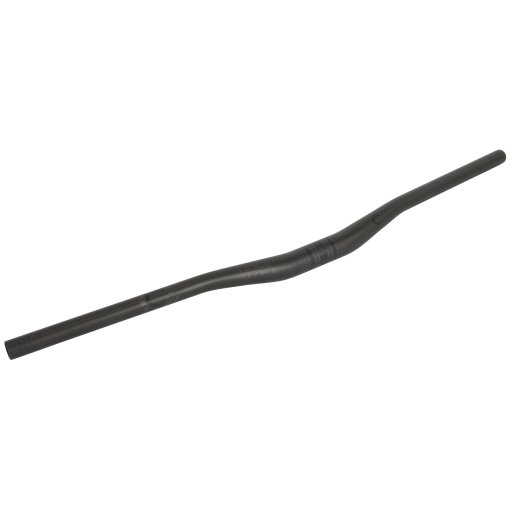
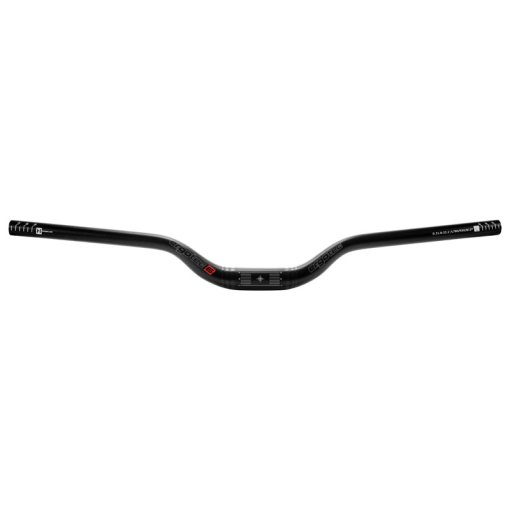
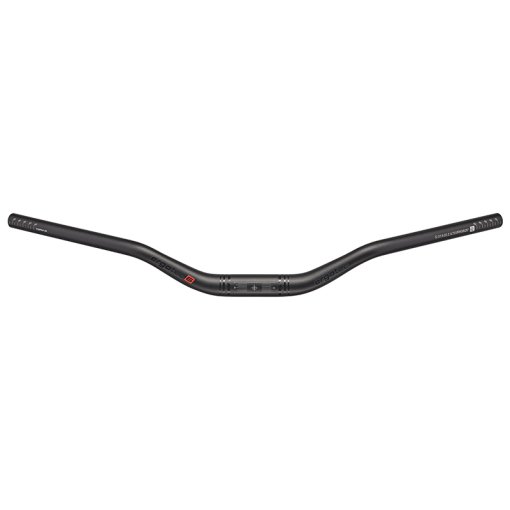
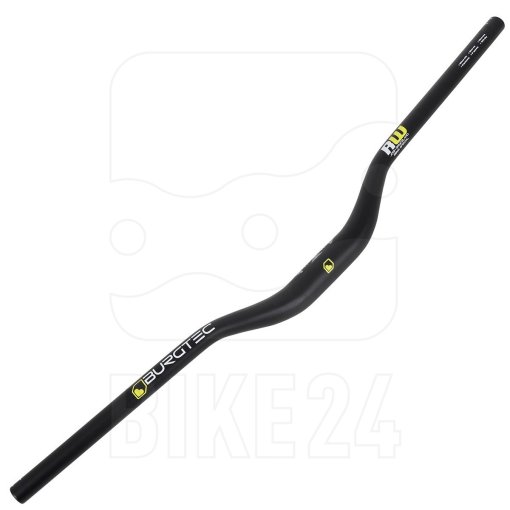
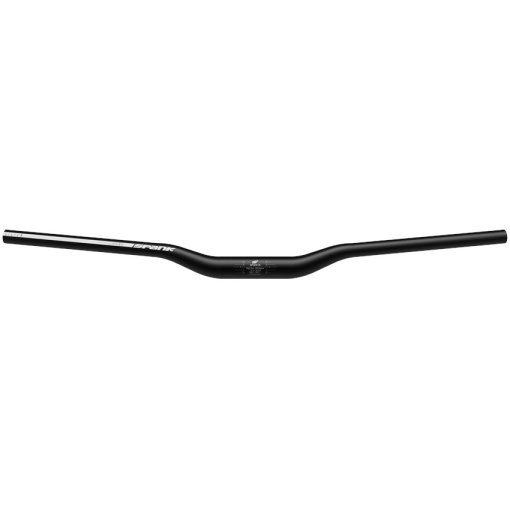
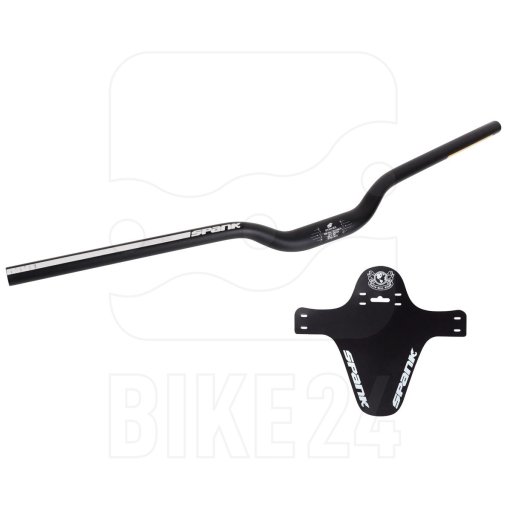
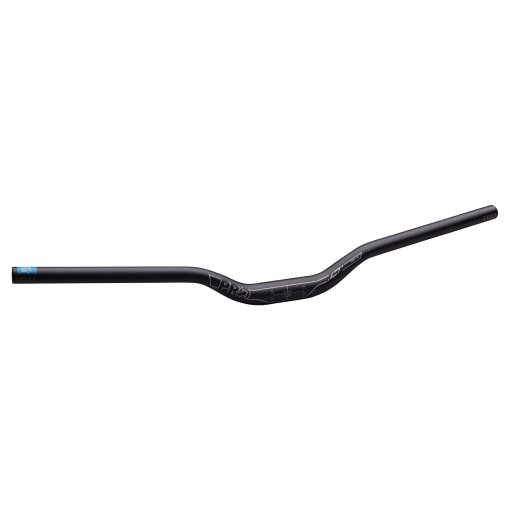
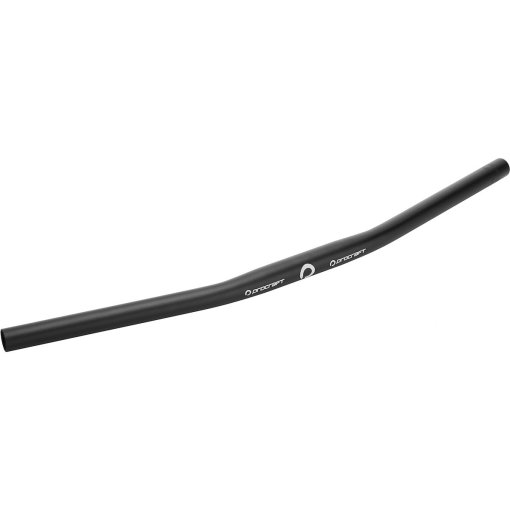
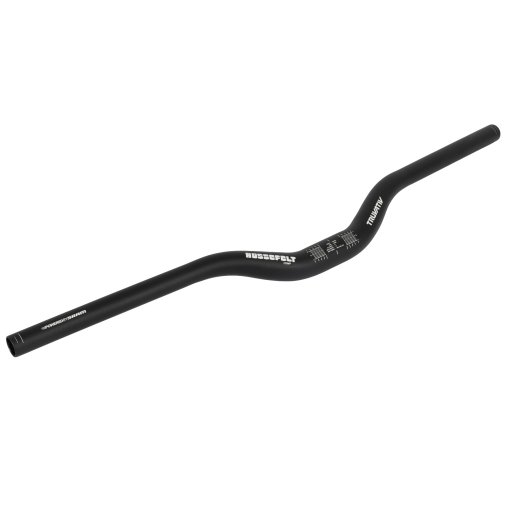
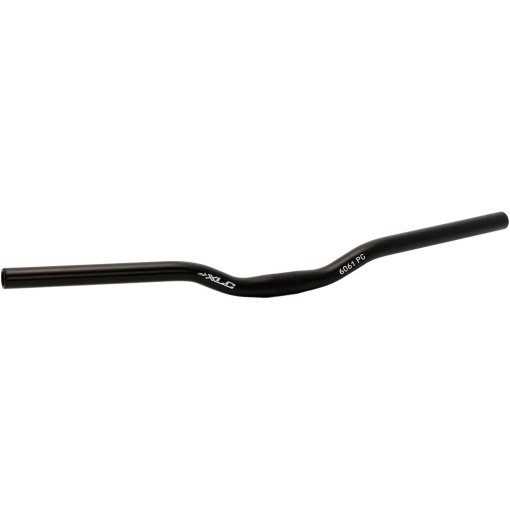
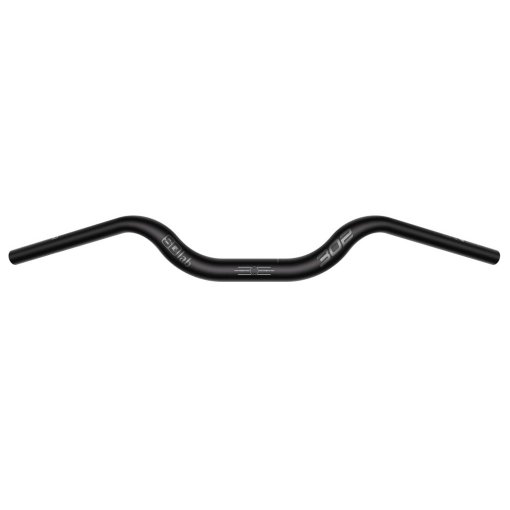
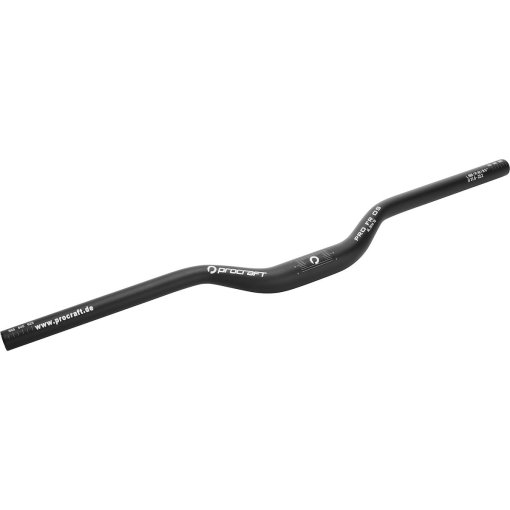
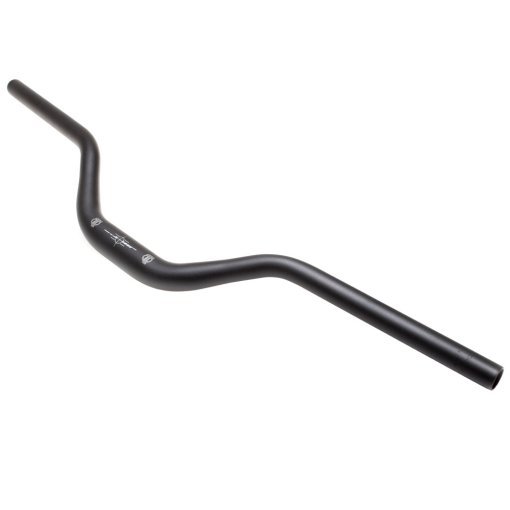
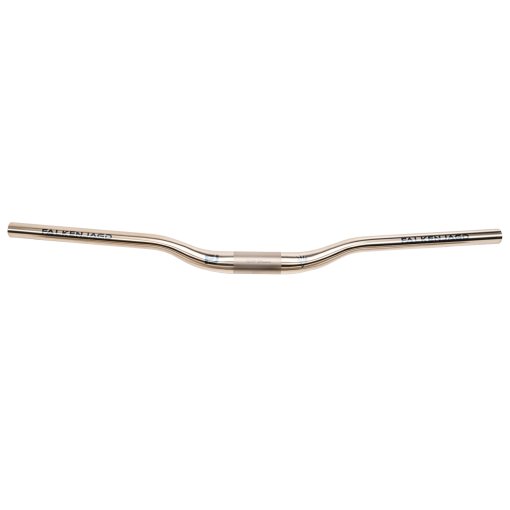
The riser bar is the most common handlebar type on mountain bikes. Because the grips sit higher than the clamp area, your upper body is positioned more upright and the front wheel carries slightly less weight. Rise typically ranges between 15 and 40 mm. This makes the bike easier to control on steep descents and helps lift the front wheel for manuals or clearing obstacles. The trade-off is that climbing requires slightly more pressure over the front wheel for precise steering. Typical widths range from 760 to 800 mm. For gravity riding, you’ll also find downhill handlebars in our range.

MTB flat bar

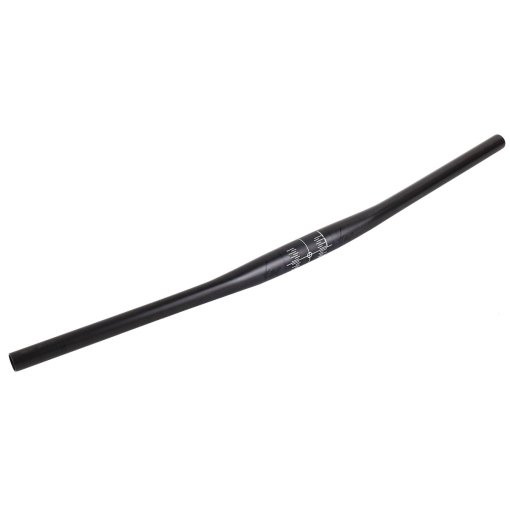
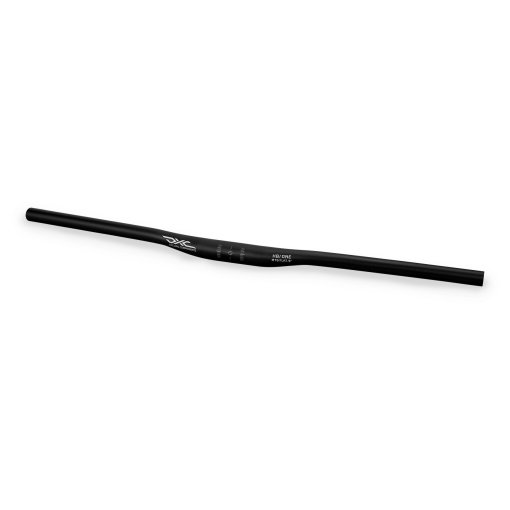
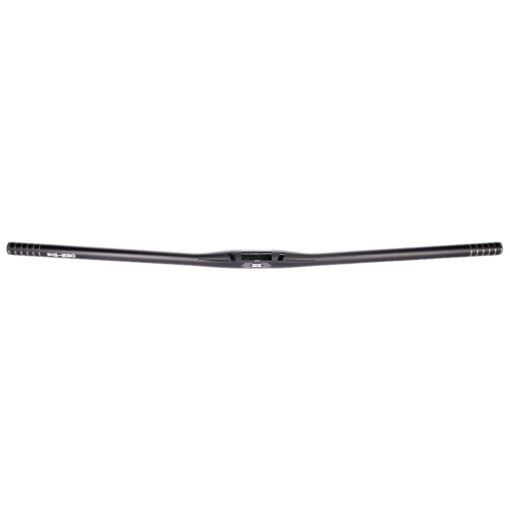
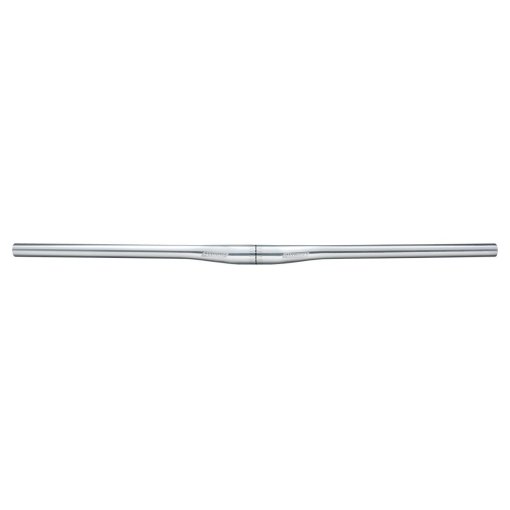
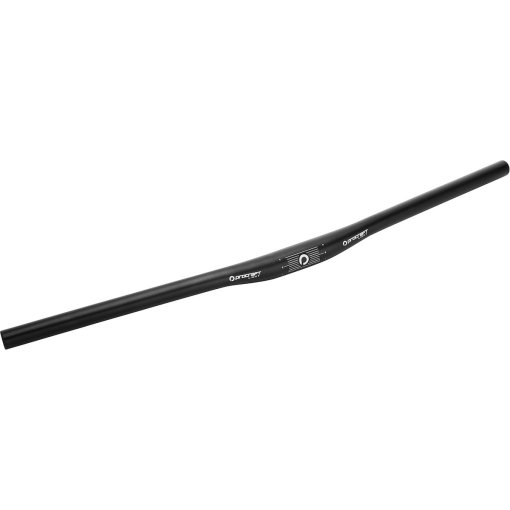
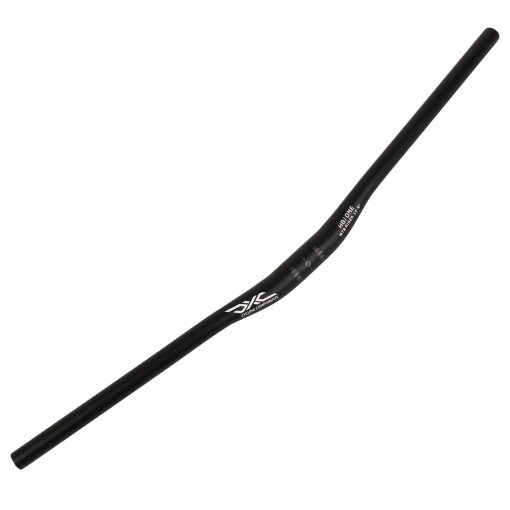
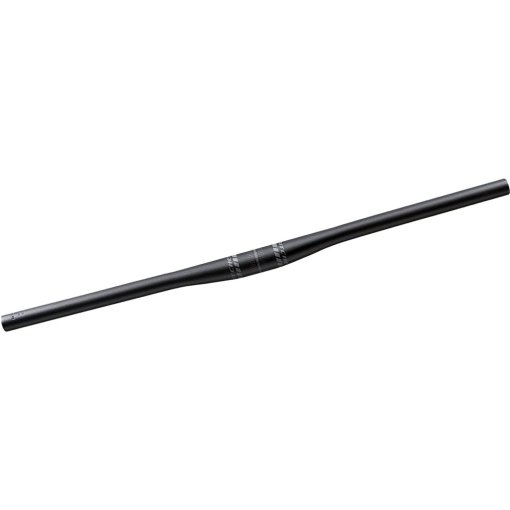
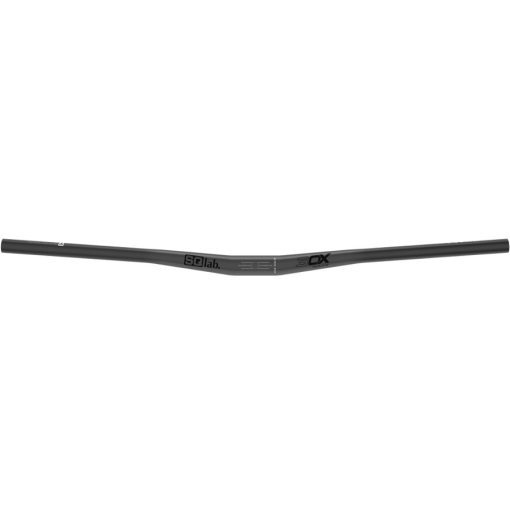
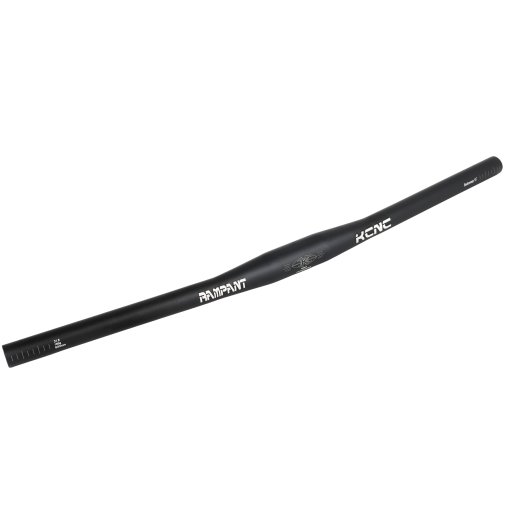
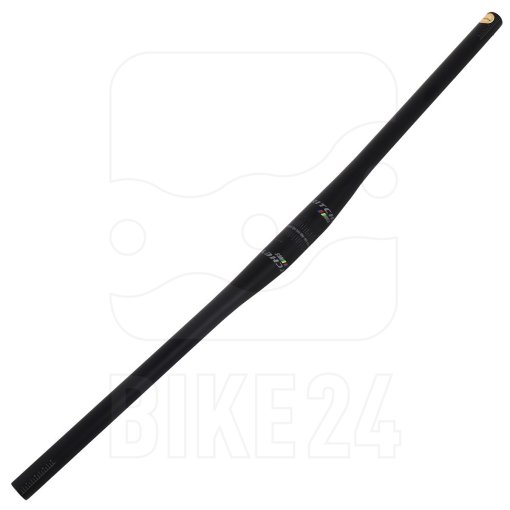
Flat bars have no rise, placing your hands level with the clamp area. This shifts more body weight forward and increases pressure on the front wheel, creating very direct and precise steering. That makes flat bars particularly popular for XC and marathon bikes. The more stretched riding position also benefits aerodynamics on fast sections. On steep descents, however, you’ll need to shift your weight further back to stay balanced. With widths typically between 720 and 760 mm and low overall weight, flat bars focus on efficiency and control.

Choosing the right mountain bike handlebars

Choose the right dimensions, and a handlebar upgrade becomes one of the most noticeable changes you can make to your cockpit. Whether you’re building a completely new cockpit or upgrading your current setup, the right choice depends on your riding style, body size, and intended use. A taller rider tackling long, technical enduro descents will benefit from greater width and more rise for added control. Lightweight XC riders, on the other hand, often prioritize low weight and efficient steering response. 


How wide should my mountain bike handlebars be?

Wider handlebars give you more leverage – and more control in technical terrain. The right width depends on your body size and riding style. A good starting point is your natural push-up position: your arms should be slightly bent, with your elbows pointing down. As a rough guide, riders around 1.65 m tall often use 680–720 mm bars. Riders around 1.80 m typically prefer around 760 mm, while enduro and downhill riders usually go wider, in the 780–800 mm range. If you’re unsure, choose a slightly wider bar – you can always cut it down later.

What do rise, backsweep, and upsweep mean?

Rise is the height difference between the clamp area and the grip position, typically between 0 and 40 mm. More rise puts you in a more upright position and reduces pressure on the front wheel. As a rule of thumb: the more race-focused your setup, the lower the rise. The more technical the terrain, the more rise you’ll want. Backsweep (5–9°) describes how far the handlebar bends back toward you. It puts your wrists in a more natural position and helps reduce strain and numbness on long rides. Upsweep (4–6°) angles the grips slightly upward, supporting your palms and distributing pressure more evenly across your hands

Carbon vs. aluminum MTB handlebars – what’s the difference?

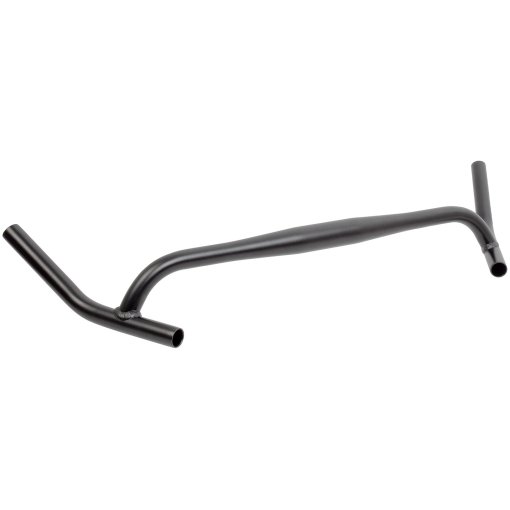
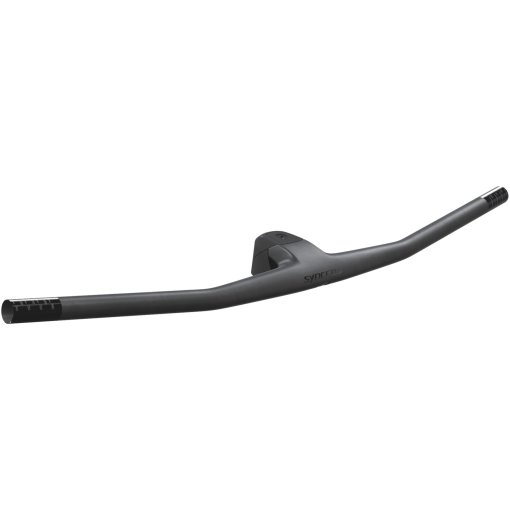
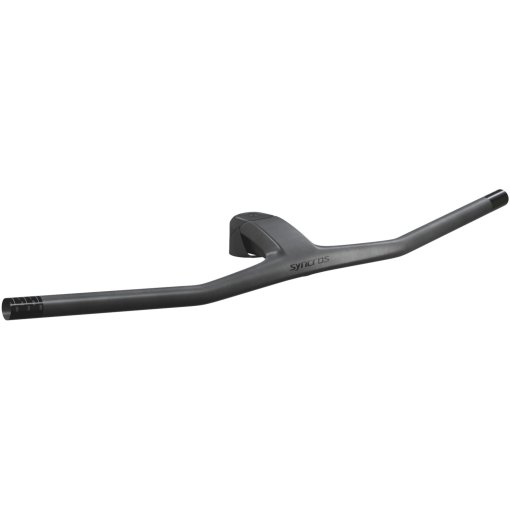
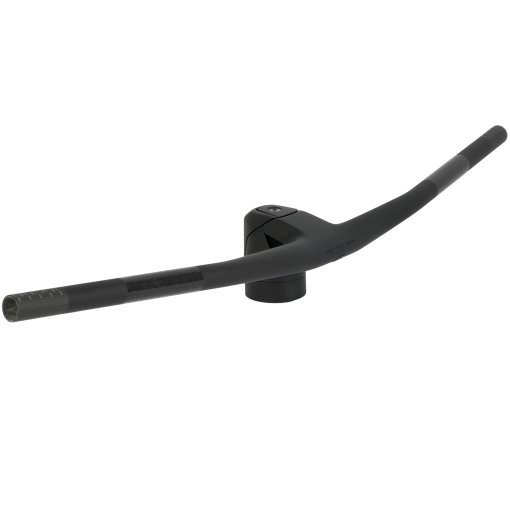
Aluminum handlebars offer a great balance of weight, durability, and price. They’re robust, reliable, and easy to replace after a crash. Carbon MTB handlebars are lighter and significantly stiffer. The layup can be tuned to stay stiff in one direction while allowing controlled flex in another, helping absorb trail vibrations more effectively than aluminum. For maximum weight savings, integrated handlebar–stem units combine both components into one piece, reducing weight and increasing stiffness – a common setup in XC racing. Titanium and steel handlebars are mostly used on custom builds and offer a unique ride feel with long-term durability.

Which clamp diameter do MTB handlebars use?

Two standards are common today: 31.8 mm and 35 mm. 31.8 mm is still widely used, while 35 mm has become the go-to choice for many enduro and downhill bikes. The larger diameter allows thinner wall construction while increasing stiffness, improving steering precision without adding weight. You may also come across 25.4 mm on older bikes. The clamp diameter is usually printed directly on the handlebar or stem.

When should I replace my mountain bike handlebars?

Always check your handlebars after a crash, especially around the clamp area and transition zones. Hairline cracks in carbon, unusual flex, or dents in aluminum are clear warning signs. Even without visible damage, years of hard riding can lead to material fatigue or corrosion. If in doubt, it’s better to replace your handlebars early than risk a failure on the trail.


Shop MTB handlebars at BIKE24

As the trail speeds up and the lines get tighter, everything comes down to your hands. That’s when the right handlebars make all the difference. Get the dimensions and material right, and your bike won’t just feel different – it will ride differently. At BIKE24, you’ll find mountain bike handlebars from top brands such as Race Face, Ritchey, DXC, Syncros, and Renthal. We stock popular models in common widths and rise options, available in carbon or aluminum. Everything is ready to ship, so you can upgrade your cockpit without delay. Need help with geometry or compatibility? Our customer service team combines real workshop and trail experience and will help you find the right setup.

To complete your setup, you’ll also find matching MTB stems and MTB grips in our shop. For long rides and bikepacking setups, we also carry bar ends and handlebar tape.