

How to clean and lube a bike chain
How to get your bike chain in top shape in 5 steps!
> Care and cleaning products
> Step-by-step guide
> Bike oil check

What you'll need:
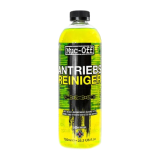
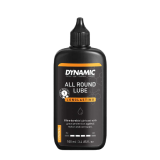
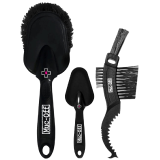
Have everything you need?
Let's go!


STEP 1
Remove loose dirt
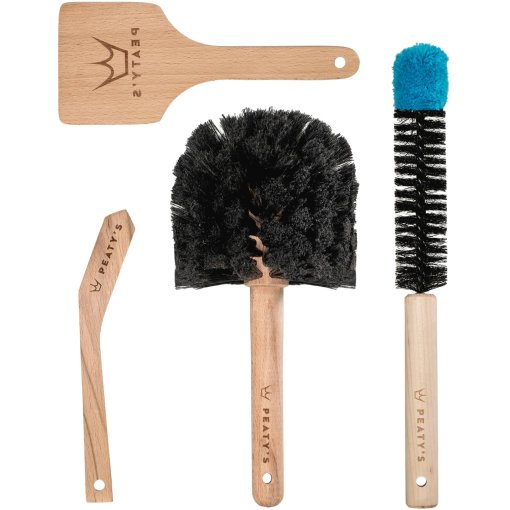
Start by removing loose dirt and built-up grime from the drivetrain. Use the top end of your chain brush, a piece of wood, or a tire lever to clear stubborn deposits from the chainring and derailleur pulleys.
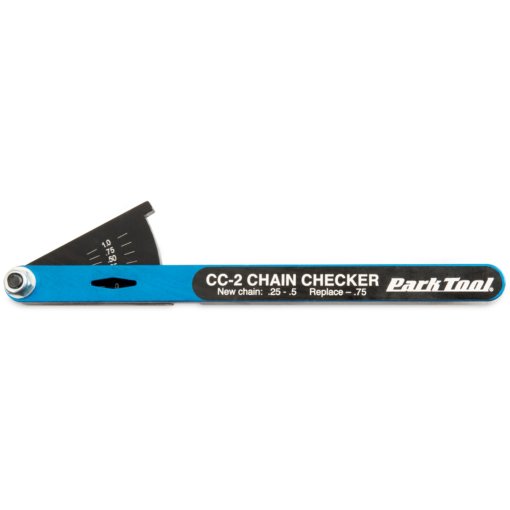
Mechanic's tip – check your chain first:
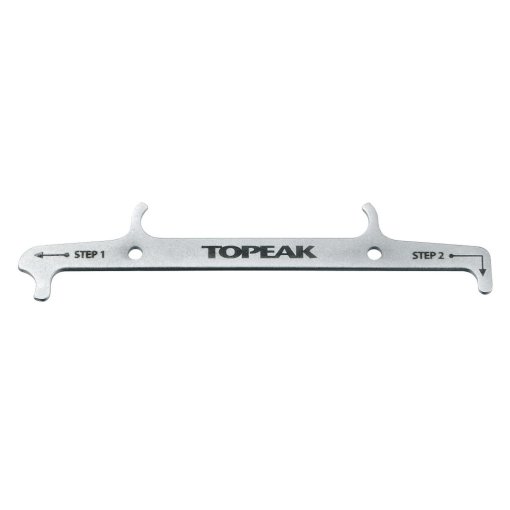
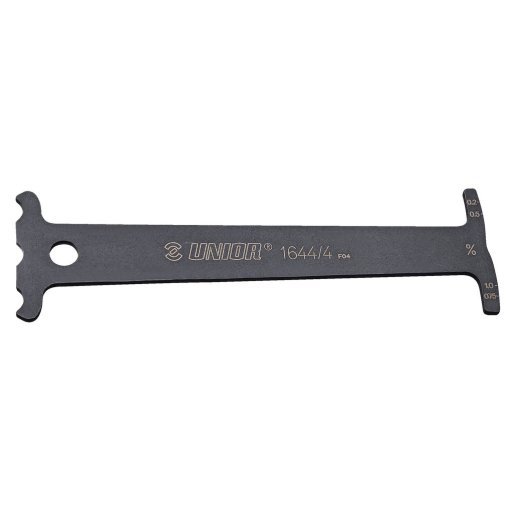
Before cleaning your bike chain, check it for wear. A wear gauge will tell you if it's worn and needs replacing.

STEP 2
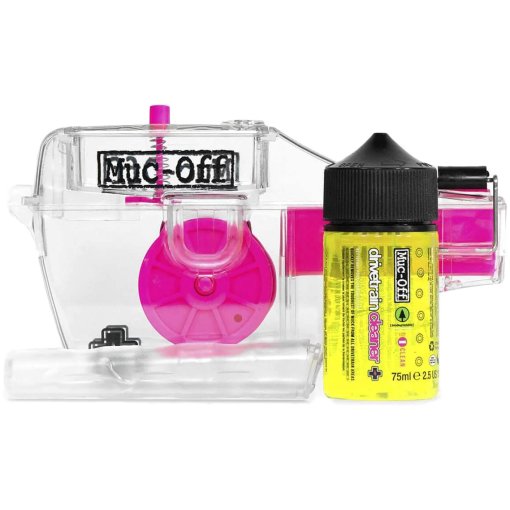
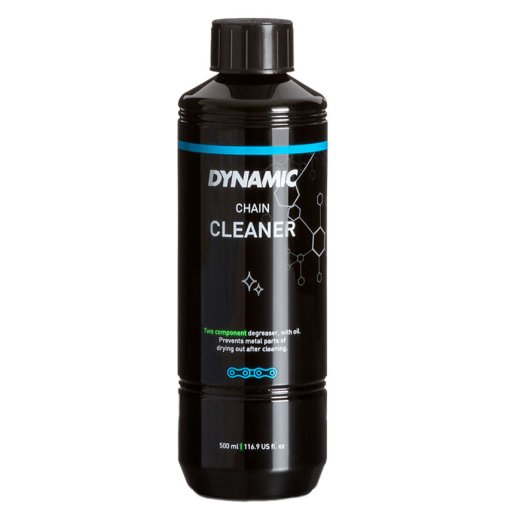
Apply chain cleaner
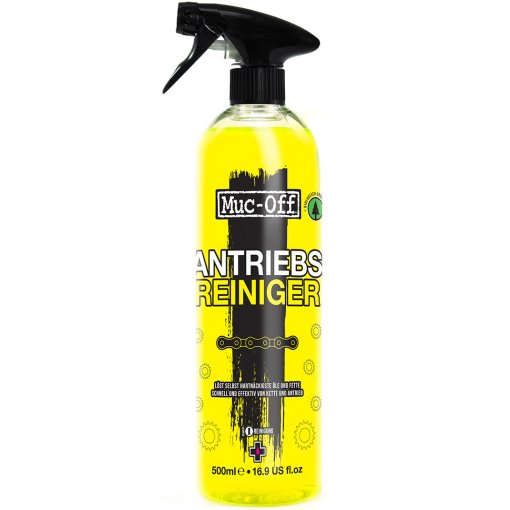
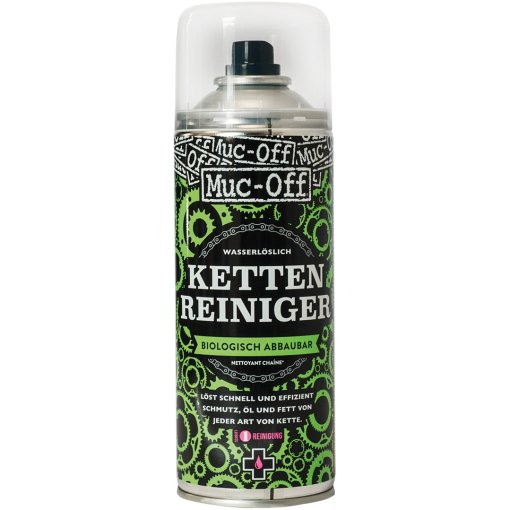
Apply chain cleaner to loosen stubborn oil and grime, then leave it on for the recommended amount of time. For light dirt, you can also use a coarse brush with warm water and dish soap as a more environmentally friendly alternative.
Mechanic's tip – use a dummy hub:
A dummy hub makes it easier to clean and maintain the chain, cassette, and shifting components with the rear wheel removed.

STEP 3
Clean the bike chain
Scrub the chain with a brush to remove the remaining dirt. For faster, more thorough cleaning, use a chain cleaning tool.
Mechanic's tip – clean the rest of the drivetrain:
For a thorough clean, don't stop at the chain. Clean the cassette, jockey wheels, and chainrings too. A sprocket brush and cloth make it easier to remove dirt from between the sprockets.

STEP 4
Wipe the chain dry
Wipe the chain thoroughly with a clean cloth. Once it's dry, it's ready for fresh lubricant.
Mechanic's tip – clean your chain regularly:
A quick clean after regular use means you'll need to deep-clean your chain less often. Run the chain through a dry cloth several times until it stops picking up dirt, then relubricate it if needed.

STEP 5
Lube and wipe the chain
Apply lubricant to the inside of the chain and let it work for a few minutes. Then wipe off any excess with a cloth. Removing excess lubricant helps prevent dust and dirt from sticking to the chain, so it stays cleaner for longer.
Mechanic's tip – lubricate the derailleurs:
You can occasionally lubricate the pivot points on the rear and front derailleurs with universal oil. A spray oil with a precision straw makes application easier. Wipe away any excess afterward to help prevent dirt from sticking.
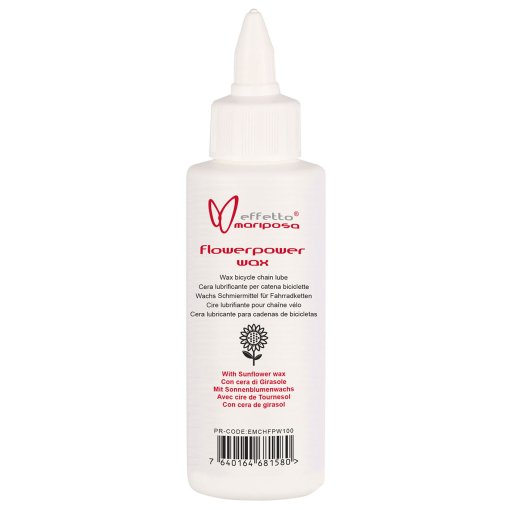
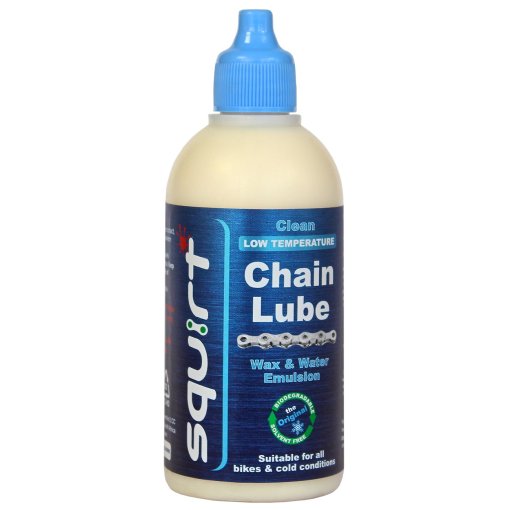

Choosing the right bike chain lubricant
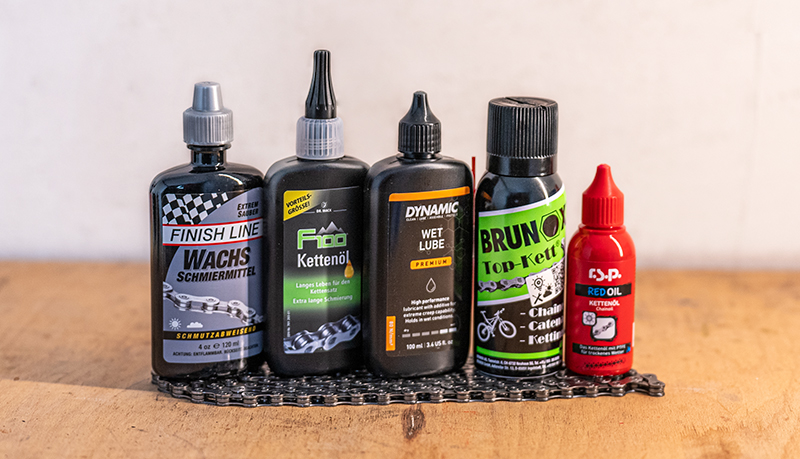
Not sure what to use to lubricate your bike chain? Dry lube, wet lube, chain wax, oil, and spray lubricants each have different strengths. Here's how they compare so you can choose the right lubricant for your riding conditions.
Dry lube
- Best for: dry conditions and dusty trails
- Pros: attracts less dust and dirt; easy to clean
- Cons: doesn't last as long; limited to summer conditions
Wet lube
- Best for: wet and muddy conditions, especially on long rides
- Pros: versatile; long-lasting protective film; good corrosion protection
- Cons: attracts dirt and buildup; requires regular cleaning
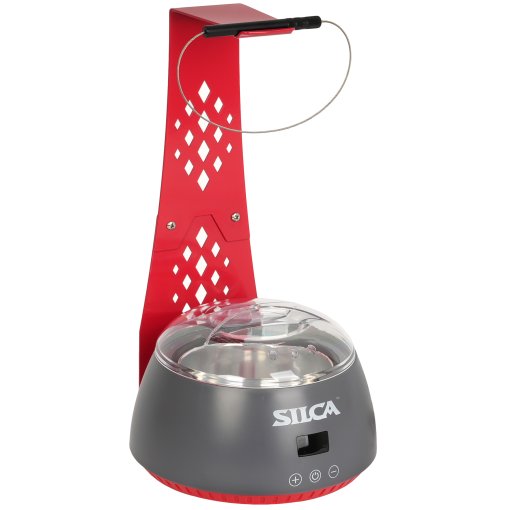
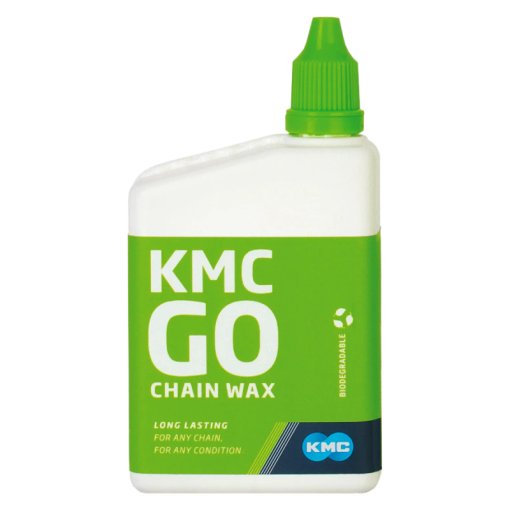
Chain wax
- Best for: dry conditions where dust and dirt are a concern
- Pros: keeps the chain clean; long-lasting lubrication and protection
- Cons: requires more frequent application, especially after riding in the rain; chain must be thoroughly degreased before the first application
Chain oil
- Best for: dry to slightly damp conditions (all-rounder)
- Pros: affordable; good lubrication; effective protection against wear and rust
- Cons: can attract dirt and dust; requires frequent relubrication in wet conditions
Chain spray
- Best for: various conditions, depending on the specific formula
- Pros: easy to apply; penetrates tight spaces well
- Cons: short-lived protection; overspray can reach other bike components
There's no single lubricant that's best for every ride. Chain oil and chain spray are reliable choices for everyday use, while dry lube, wet lube, and chain wax are designed for more specific conditions such as very dry or wet weather.