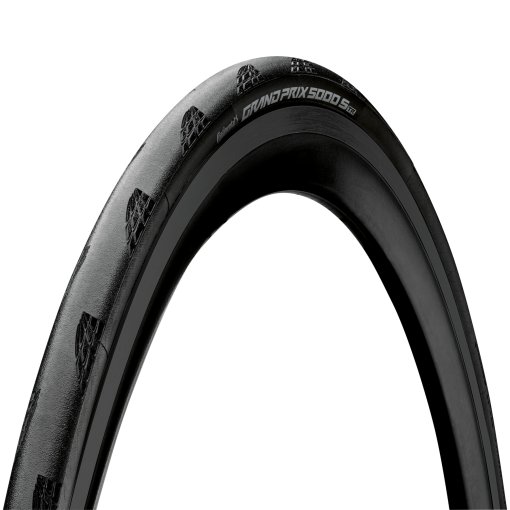
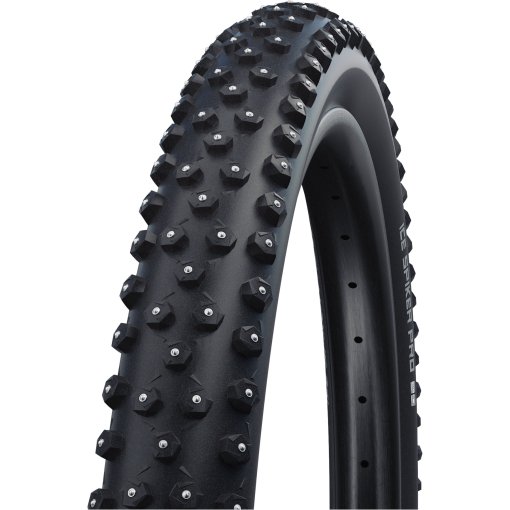
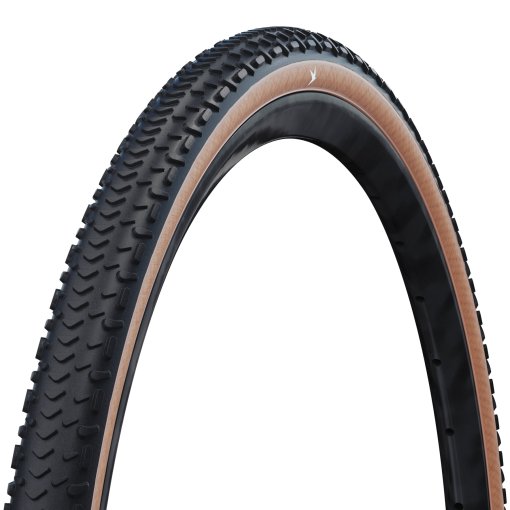
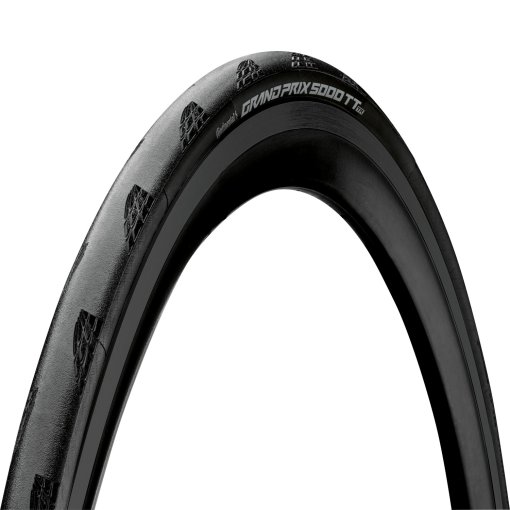
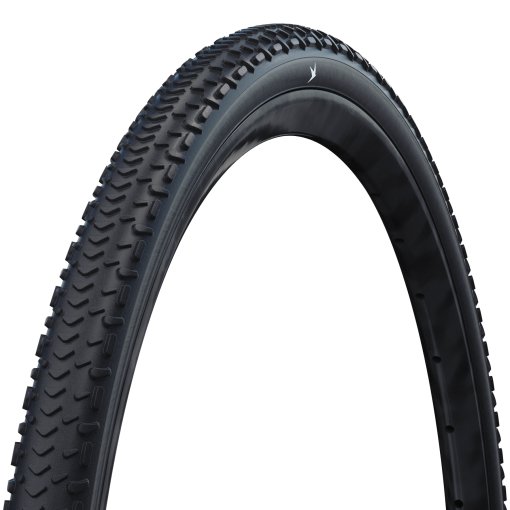
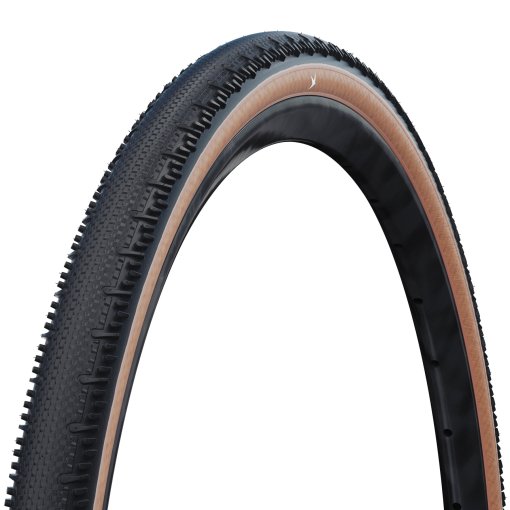
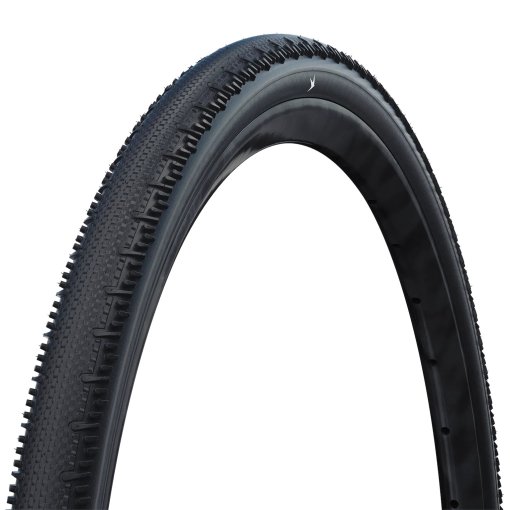
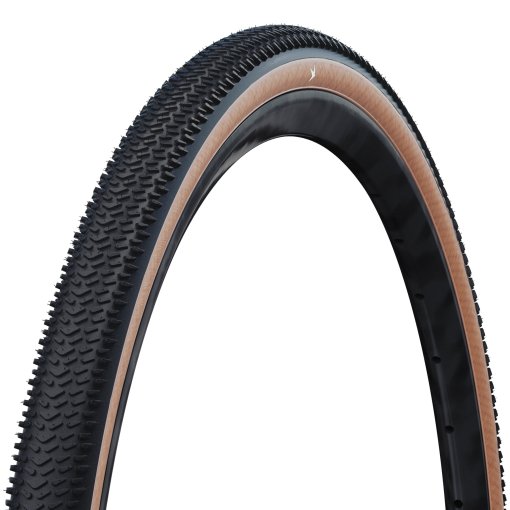
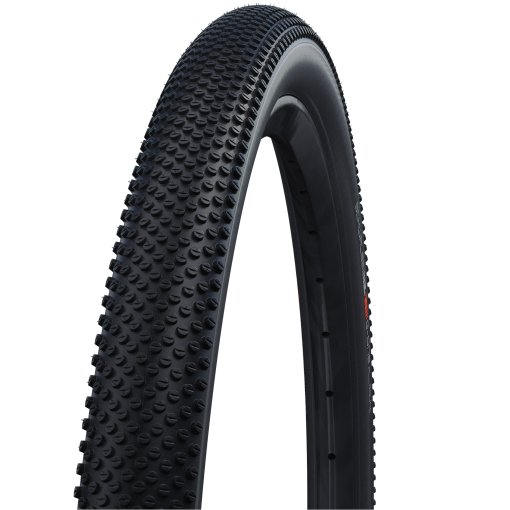
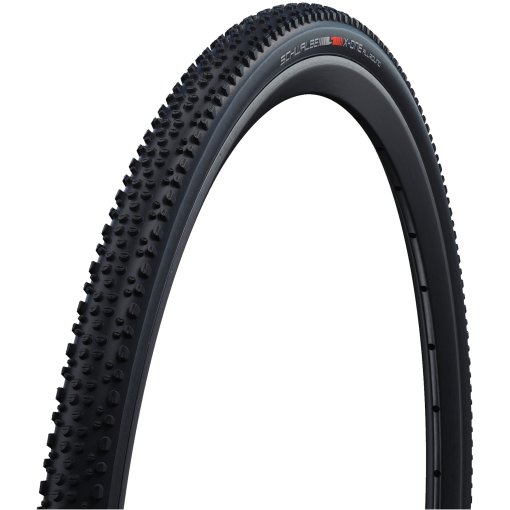
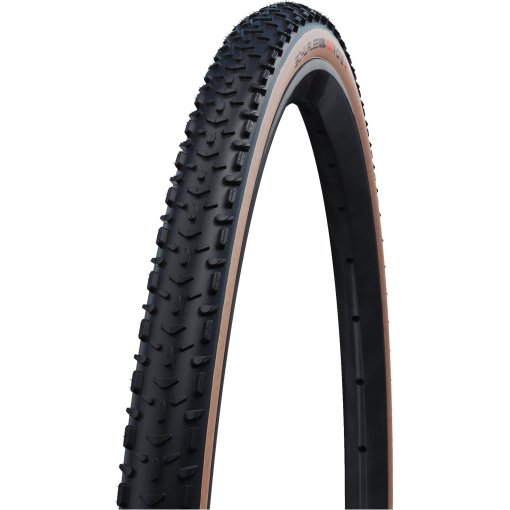
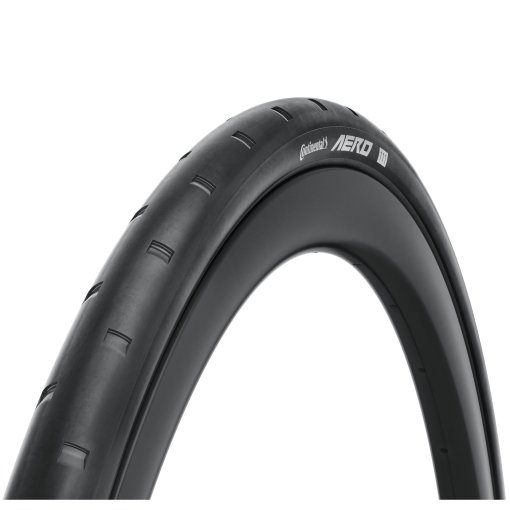
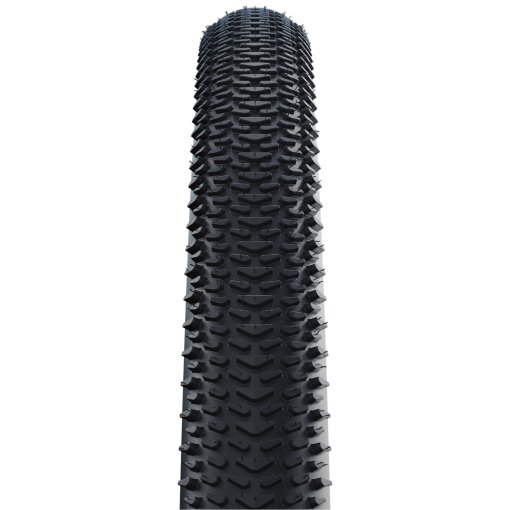
How Tubeless Tires Work on a Bicycle
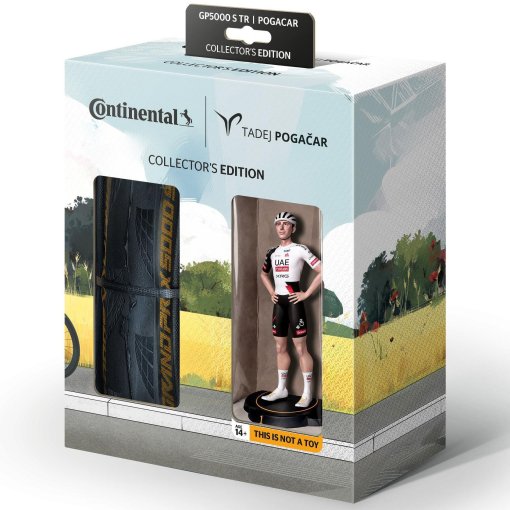
There are events that will forever play a decisive role in history due to their significance; April 17 was no exception - at least from a cycling perspective. On that day, Dutchman Dylan van Baarle won the famous cobblestone classic Paris-Roubaix. The special feature: Van Baarle rode the mammoth 257.5-kilometer distance on tubeless tires - a technology that has since become increasingly popular not only in professional cycling, but also in many other bike segments.
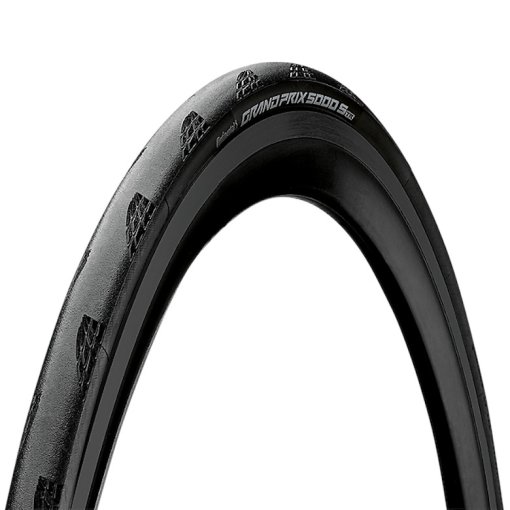
As the name suggests, tubeless tires dispense with the inner tube under the bike tire. This works thanks to a special construction: tubeless tires and tubeless-compatible rims form an airtight seal. To improve the airtightness and puncture protection, additional tire sealant is filled into the tires, which immediately closes small holes or cracks. The result is an airtight system that ideally prevents pressure loss even in the event of punctures or small cracks. In addition, tubeless tires are lighter and roll better - the best conditions for a bike evolution.
The Advantages of Tubeless Cycling Tires at a Glance
In principle, there are four strong arguments for tubeless tires and dispensing with an inner tube:
- Puncture protection: probably the most important advantage of tubeless bicycle tires is that the risk of flats is significantly reduced. This is achieved because the tire sealant immediately closes small holes and the dangerous pressure drop caused by punctures due to thorns or cracks is significantly minimized. It is important to always use puncture sealant, which must be topped up regularly.
- Lower tire pressure: Tubeless technology enables lower tire pressures. This increases the contact area of the tires on the ground. This significantly improves traction, grip and comfort. This is a great advantage, especially when mountain biking, graveling and on unpaved roads.
- Lower weight: The tubeless system is lighter than the conventional combination of inner tube and clincher or folding tire. Less rotating mass means better acceleration and more agility, which brings noticeable advantages for mountain bikes, gravel bikes and road bikes alike.
- Rolling resistance: Tubeless tires also offer lower rolling resistance - due to the lack of an inner tube: With the combination of inner tube and tires, these two components roll against each other and thus cause constantly higher friction. This means that tubeless tires measurably save power, allowing higher speeds and greater efficiency.
From MTB to Road Bikes - What Types of Bike are Tubeless
Tubeless tires for bikes bring clear advantages to various bicycle and electric bike categories, as the following list shows:
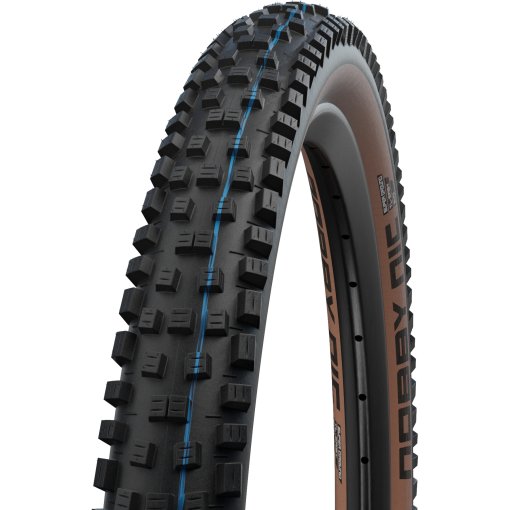
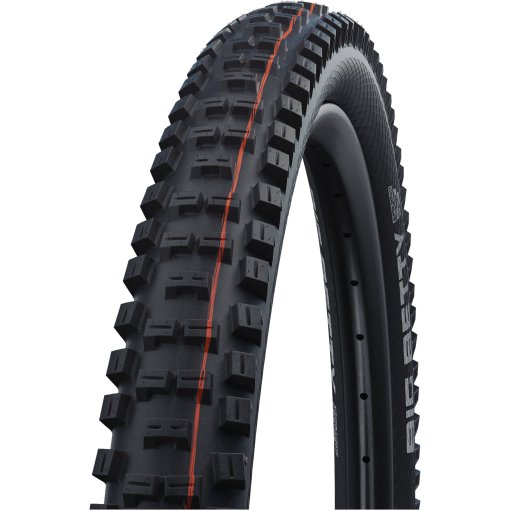
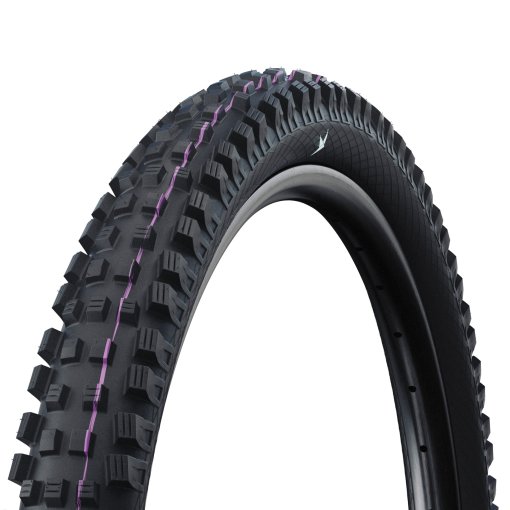
- Mountain bikes: tubeless bike tires and compatible rims have become almost standard on mountain bikes. The effective protection against punctures and the significantly improved grip are huge advantages, especially in demanding terrain.
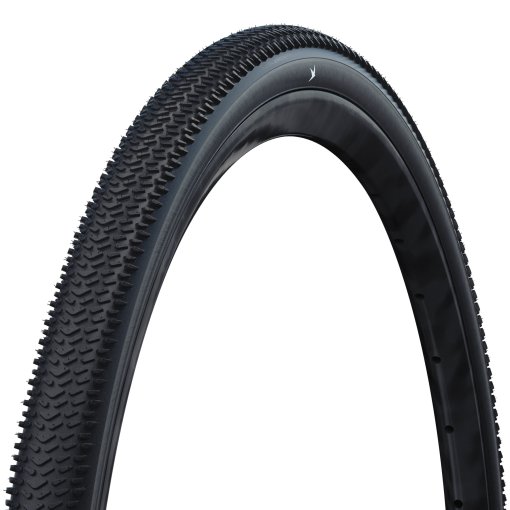
- Gravel bikes: Tubeless tires are also an excellent choice for gravel bikes. They offer the necessary puncture protection on unpaved surfaces and allow lower tire pressure for more comfort and better traction. Tip: Many current wheels for gravel are already tubeless-ready ex works.
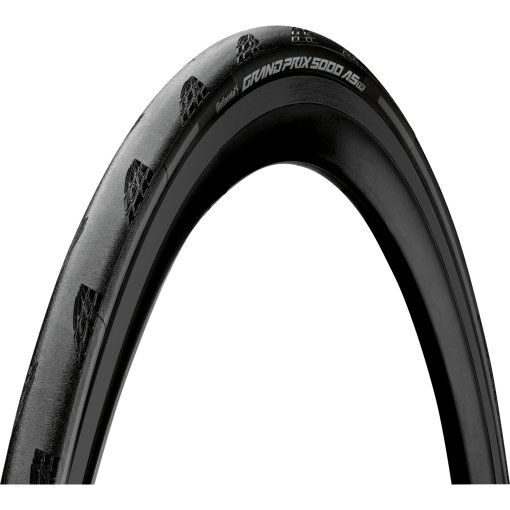
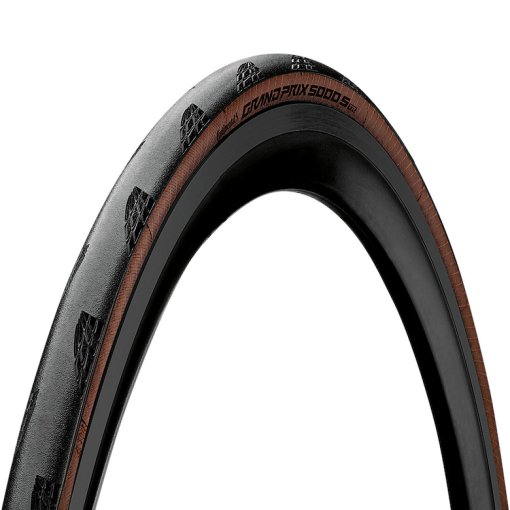
- Road bikes : Tubeless tires are becoming increasingly important in road racing - see Dylan van Baarle's victory at Paris-Roubaix 2022. The lower rolling resistance and increased puncture resistance make them an attractive option for road bike riders. Tubular tires used to offer similar advantages. Compared to these, however, tubeless is much easier to service and cheaper.
What You Need to Switch to Tubeless Tires
To make sure you are literally "ready" to switch to tubeless bike tires, you also need the right tire accessories and the right tools. We have compiled a corresponding checklist below to support you:
- Tubeless-ready rims: The rims must be designed to fit the special tire bead of tubeless tires. You can recognize tubeless rims by designations such as "Tubeless-Ready", "Two-Way-Fit" or "UST".
- Tubeless rim tape: All rims, except the rare UST rims, must be covered with a special, airtight rim tape. The rim tape also ensures a tighter tire fit if required.
- Tubeless valves: Special tubeless valves with a gasket are screwed directly into the rim. They can be opened to fill in tire sealant when the tires are mounted.
- Tubeless tire sealant: Tire sealant (usually latex milk) closes holes and cracks to prevent air loss.
- Tire levers: Tubeless tires usually sit very tightly on the rim, using a tool makes mounting easier.
- Compressor or bike pump: Tubeless tires require high air pressure during initial fitting. A compressor, a high-volume air pump or a special high-pressure cartridge are required to ensure that the tires are optimally seated in the rim.
Why You Should Buy Tubeless Bike Tires Online
Effective puncture protection, more comfort, more grip and control, less rolling resistance on the bike - the arguments for tubeless bike tires are absolutely convincing. You'll find plenty of suitable tubeless tires for mountain bikes, gravel bikes and road bikes from popular brands at BIKE24. Don't forget the right tools for fitting and tubeless tire sealant, and after a lightning-fast delivery with our video manual, you'll be able to make the switch in no time at all.