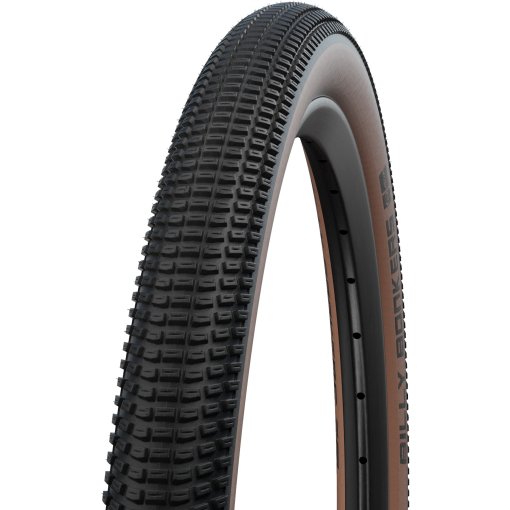
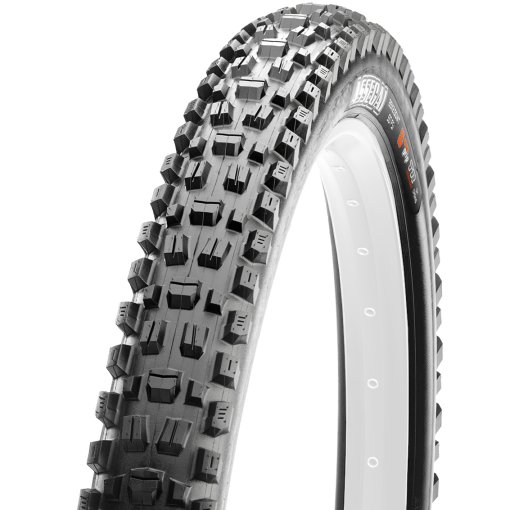
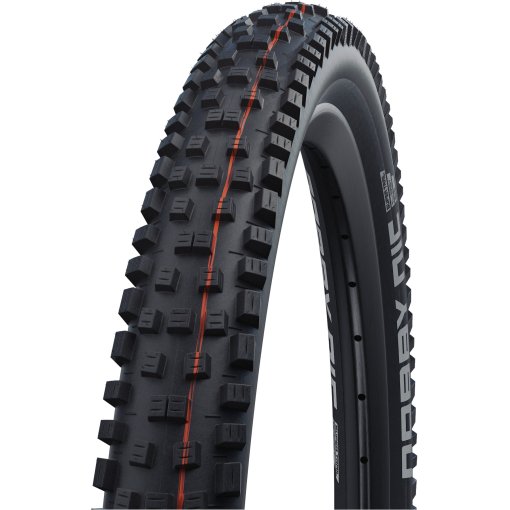
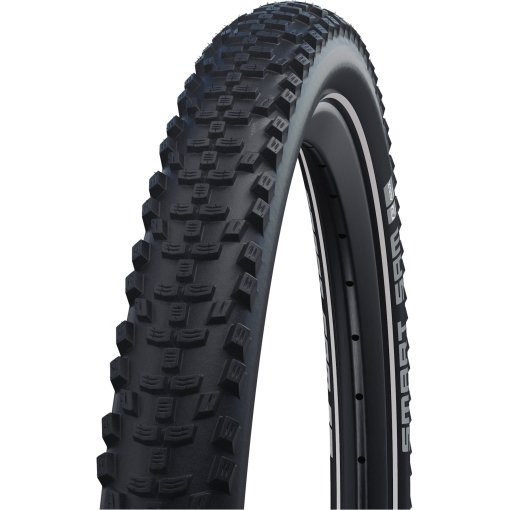
Mountain Bike Tires
Mountain Bike Tires – Traction on Any Surface
Whether fast berms in the bike park or steep trails in the Alps – traction is the be-all and end-all in off-road terrain. The tires are correspondingly important. As the link between the bike and the ground, they have to offer maximum grip. At the same time, they must be robust and reliable in order to offer good performance even on rough terrain without any closers. So there are many requirements that mountain bike tires meet with a huge selection of models. To give you a better overview, you can find out everything you need to know here – from the area of use to the choice of size.
MTB Tires – the Basis for Lots of Fun
Do you often ride your MTB in the bike park? Are you training for a mountain bike marathon? Or are you planning a major bikepacking adventure? Choosing the right MTB tires is as varied as the mountain bike world itself. Regardless of the intended use, however, all models have one thing in common – they are the basis for lots of fun.
Mountain bike tires are basically similar in construction to classic bicycle tires. Nevertheless, there are certain peculiarities that you should keep in mind:
- Carcass: The basic structure of the tires. It consists of several layers of fabric. Its density is given in TPI (threads per inch), the number of woven threads per inch. The higher the TPI, the denser and higher quality the carcass.
- Side walls: They must be robust enough to withstand cuts and abrasion. Many tires have an additional reinforcement layer within the side wall in the form of a sidewall protection layer. This is often missing on cross-country tires for weight reasons.
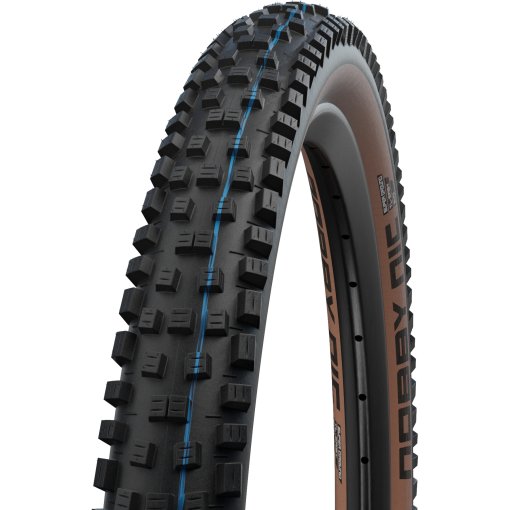
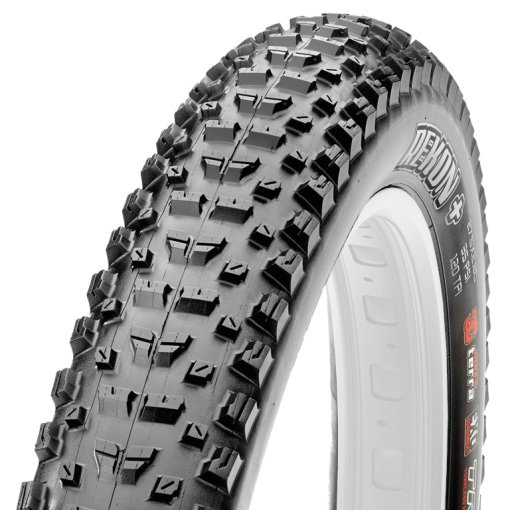
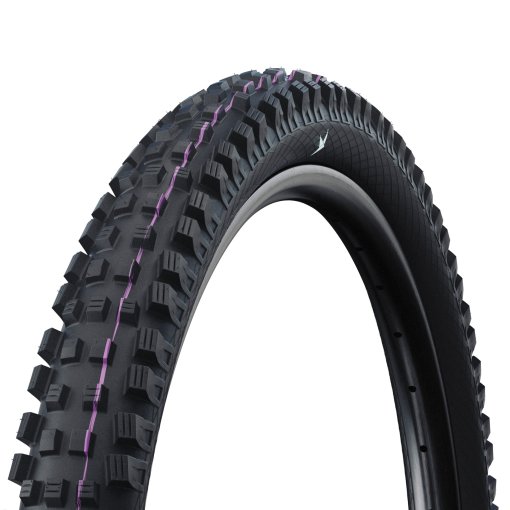
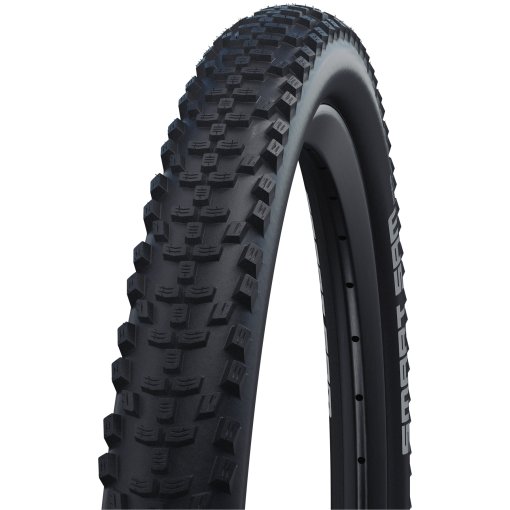
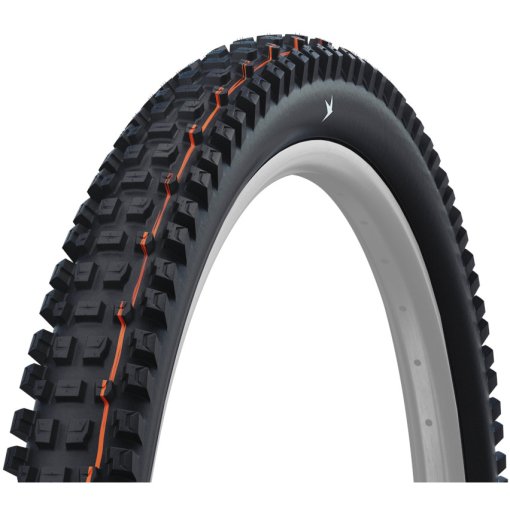
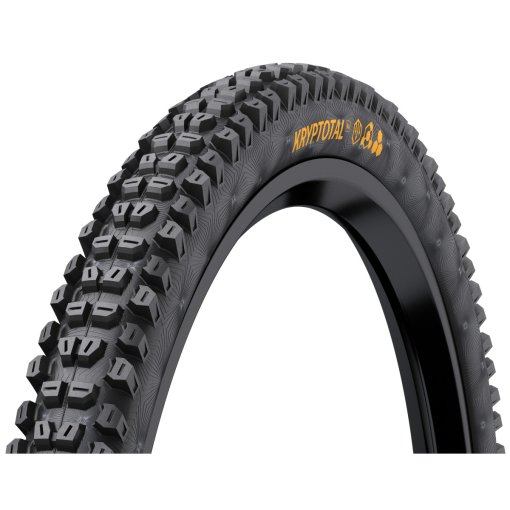
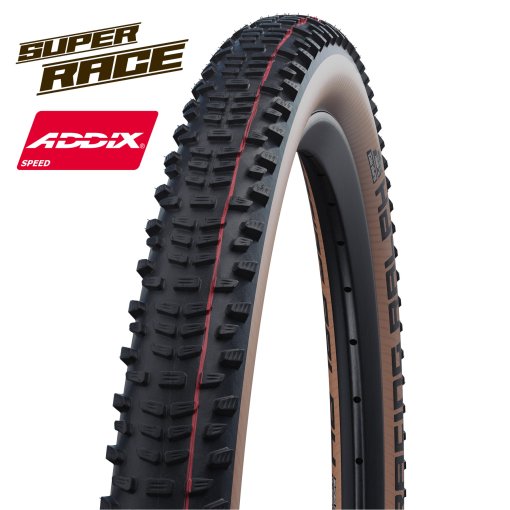
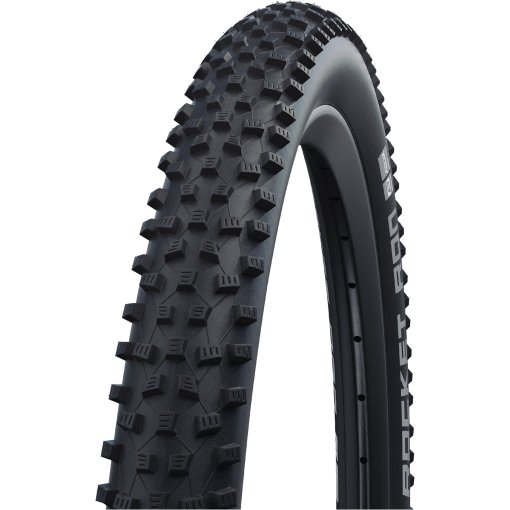
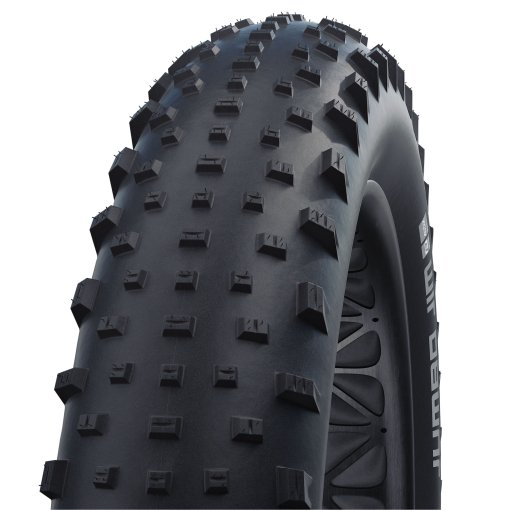
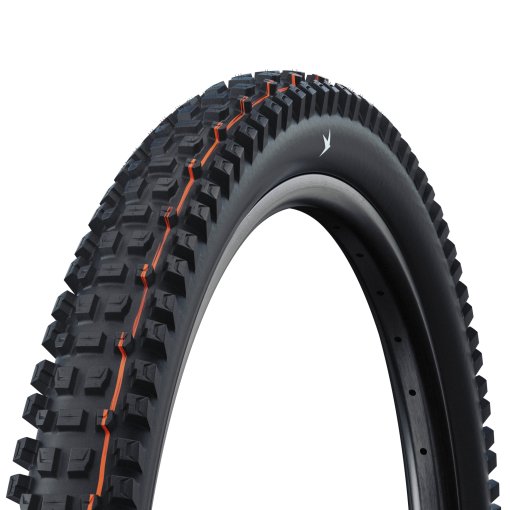
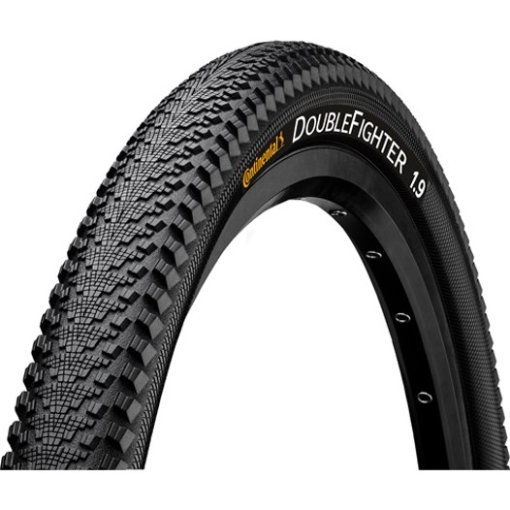
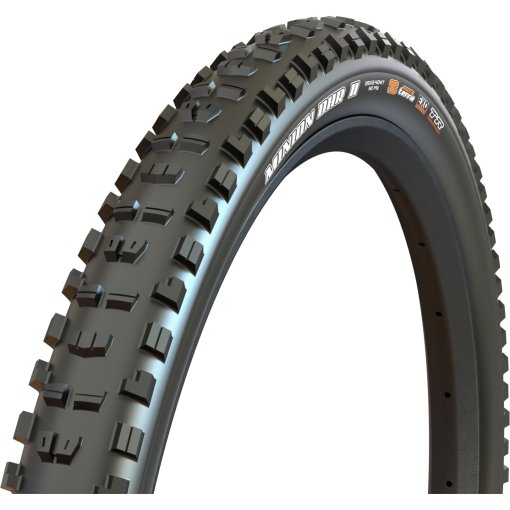
- Tread: MTB tires are also called knobby tires due to their characteristic tread pattern. Deeper patterns provide grip on muddy trails, while flatter treads are optimized for firm surfaces.
- Rubber compound: Also plays an important role in grip, rolling resistance and durability. Manufacturers come up with a lot of ideas here, so that there are models for a wide range of requirements – even for cold and heat.
- Bead core: Holds the tire on the rim and varies between a heavier wire bead (wire bead tires) and a lighter folding bead (folding tires).
Mountain Bike Tires for Every Terrain – Find Your Match!
Whether carcass or rubber compound – the intended use and the terrain are decisive when choosing the right tires. A look at the various MTB disciplines reveals this
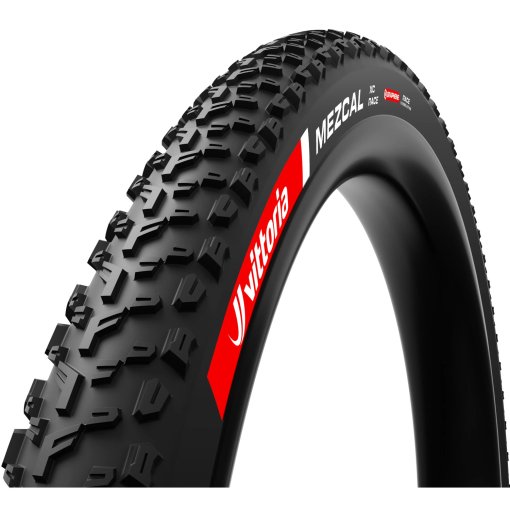
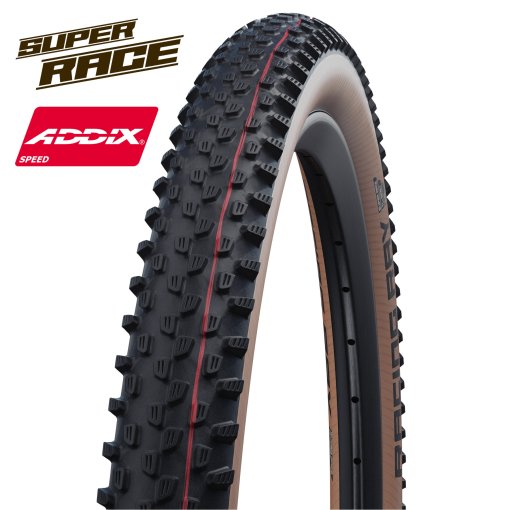
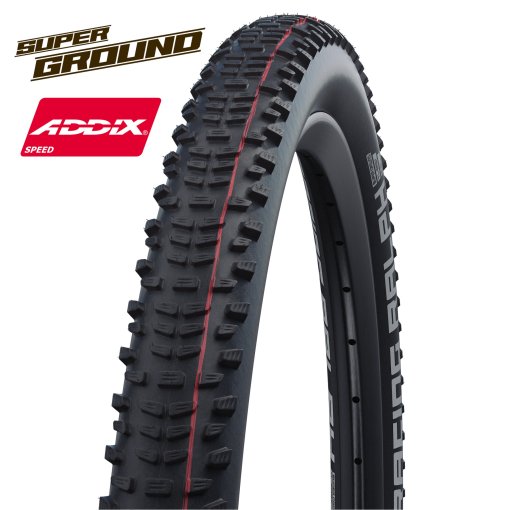
- XC (Cross Country) tires: Cross-country requires tires with a lighter tread and lower rolling resistance. They offer a good compromise between speed and grip.
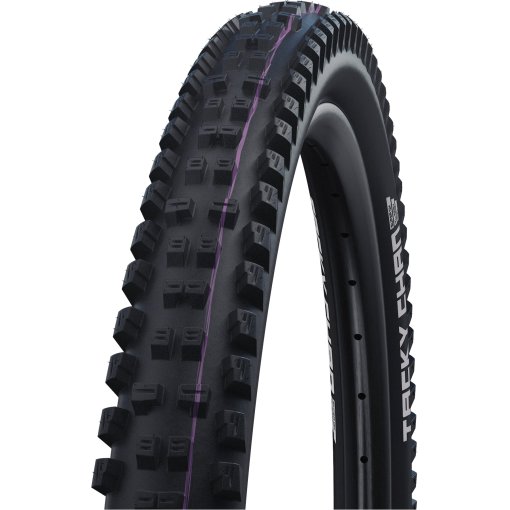
- All-mountain tires: All-mountain tires are all-rounders that are suitable for both climbs and descents. They have a more aggressive profile than XC tires, but still offer good rolling performance.
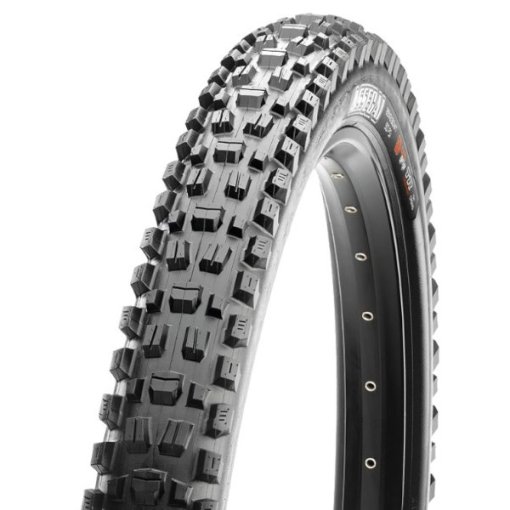
- Downhill tires: Downhill tires are designed for extreme conditions. They have deep, aggressive treads for maximum grip and stability at high speeds and in rough conditions.
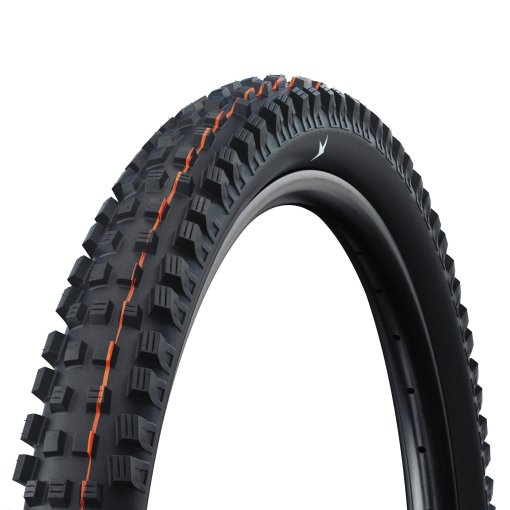
- Enduro tires: Lie in the middle between all-mountain and downhill tires. These tires must offer maximum grip for the downhill and lightness for the ascent.
- E-MTB tires: E-mountain bikes require more robust tires due to their higher overall weight and greater acceleration forces. Many tire manufacturers therefore label their tires as special E-MTB tires.
Special Case: Trekking Tires
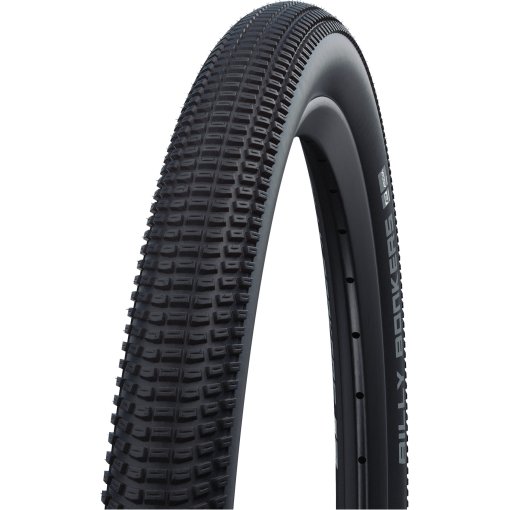
Trekking tires are often mentioned in the same breath as mountain bike tires. They are similar to MTB tires for easier terrain in terms of their dimensions and construction. The differences lie in the tread, puncture protection and side walls. Tires for touring bikes are designed for moderate tours and offer a good balance between performance and comfort. They are also designed for particularly long mileages.
A Detailed Overview of the Features of Mountain Bike Tires
Have you always wanted to know in detail what distinguishes a modern MTB tire for cross country/marathon from one for enduro? Find out now with our quick overview of what is important for the different types of mountain bike tires.
| Cross Country/Marathon | All Mountain | Enduro | Freeride/Downhill | Asphalt + off-road* | |
|
Carcass- Body |
very finely woven (120 tpi and more) and lightweight carcass plies, single-ply construction – triple overlap under the tread, double overlap on the sides | finely woven (120 tpi) and light carcass plies, single-ply construction – triple overlap under the tread, double overlap on the sides), additional puncture protection layer |
finer to coarser carcass plies, but single-ply (60 to 120 tpi) to dual-ply (2x60 tpi) construction (six-fold overlap under the tread, four-fold on the sides), additional puncture protection ply |
coarser carcass plies, dual-ply (2x60 tpi) structures (six-fold overlap under the tread, four-fold on the sides), additional puncture protection ply |
Coarse to finely woven (60 – 120 tpi) and light carcass plies, single-ply construction – triple overlap under the tread, double on the sides, additional, sometimes very thick puncture protection ply |
| Sidewall protection/reinforcement | often without | in light version | complete all-round, stable design, some with additional butyl rubber inserts | complete all-round, stable design, some with additional butyl rubber inserts | in light to completely circumferential design |
| Profile | low lug profile with wide spacing | more pronounced lug profile with prominent shoulder lugs and closely spaced center lugs | chunky, aggressive tread pattern often consisting of high and stable shoulder lugs and equally pronounced lugs on the tread | special feature, aggressive tread pattern, usually not quite as high but wide lugs |
mixed tread pattern with compact center bar for light, low-vibration rolling behavior and angled outer lugs |
| Rubber compound | Dual or triple compounds: tread center designed for low rolling resistance, more grip towards the sides | Dual or triple compounds: tread center designed for low rolling resistance, more grip towards the sides | Dual or triple compounds: medium-hard base compound, tread center designed for low rolling resistance, extra grip towards the sides | Dual or triple compounds: medium-hard base compound, tread and shoulder lugs with extra sticky rubber compound | Dual or triple compounds: tread center designed for low rolling resistance, more grip towards the sides |
| Rolling resistance (on hard surfaces) | very low | low to moderate | moderate to high | rather high, as grip, durability and cushioning are more important | low thanks to narrow center tread profile |
| Grip | particularly high on dry, unpaved but rather hard paths | good all-round traction | high traction, thanks to the lug profile that really bites into the ground | special feature: high traction thanks to the lug pattern and extra "sticky" (super tacky) rubber compounds | A middle ground between traction on loose surfaces and, for example, on hard asphalt in the city |
| Width | 2.25 – 2.4 inches | 2.35 – 2.6 inches | 2.4 – 2.8 inches but also as plus with 3.0 inches and more | 2.4 – 2.6 inches | 2.1 – 2.4 inches |
| Weight | particularly low for fast acceleration | moderate touring weight | Stability and durability take precedence over weight, spectrum large – depending on carcass structure and bead core | absolute stability and durability take precedence over low weight, often multi-reinforced clincher tires | wide spectrum from very light folding tires to very heavy wire bead tires with maximum puncture protection |
*Asphalt + off-road tires are also known as hybrid or mixed-terrain tires
Which Mountain Bike Tires Are Right for Your Bike?
Choosing the right tire size for your mountain bike is crucial for the riding experience and performance. There are a few key factors:
The first important size is the tire width. It influences how the bike reacts on the trail. Wider tires offer more grip and comfort, but are heavier and can have a higher rolling resistance. Narrower tires often roll more easily, which means you can ride faster on average. However, they offer less traction.
Cross-country and marathon riders often prefer narrower tires, while downhill and all-mountain riders tend to prefer wider tires. Important: The tire width should match the rim width. It is given in inches.
The inner tire diameter is also important. It depends on the wheel diameter. The most common sizes are 26 inch, 27.5 inch (650B), 28 inch (trekking) and 29 inch (MTB). Each size has its own advantages and disadvantages. Smaller diameters are more maneuverable and sometimes better for technical maneuvers. Larger diameters offer better rollover behavior and stability. There are also special sizes – for children's mountain bikes or fat bikes, for example.
In short: The right tire size depends heavily on which bike you are riding and the terrain you are riding on.
Buying Mountain Bike Tires Online – Our Buying Tips
Want to buy new tires? You should pay attention to this when choosing:
- Area of use: Choose tires that suit your riding profile. This applies to the tire structure, tread pattern and puncture protection.
- Compatibility: Of course, the tires must also fit your bike or wheels. To do this, check the wheel dimensions and tire clearance.
- Tire size: Choose the right tire size for your needs and your bike.
- Tire type: Folding tires or wire bead tires? Or maybe tubeless? The latter is particularly interesting as many modern MTBs are designed for tubeless tires. Make sure that both your tires and your rims are tubeless-compatible.
- Special features: Are you looking for winter MTB tires with studs, for example?
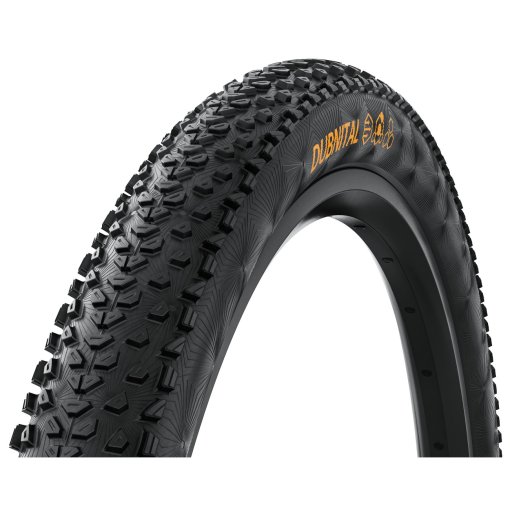
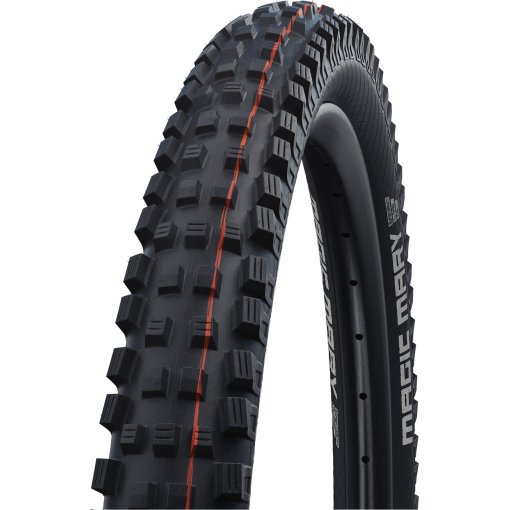
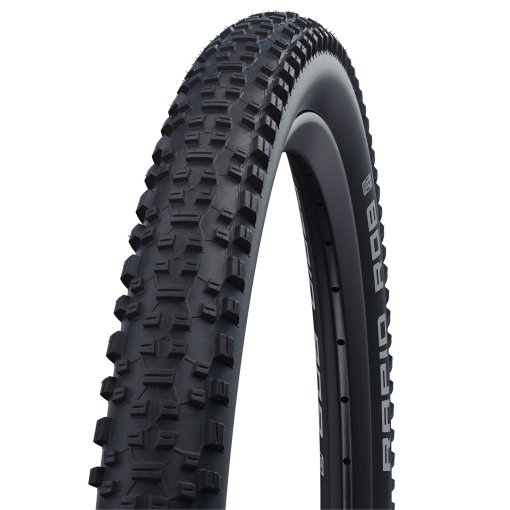
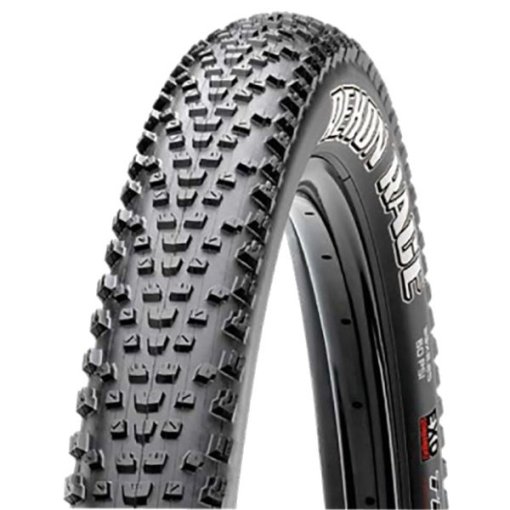
- Tire manufacturer: Do you prefer mountain bike tires from a specific brand? We have many top brands such as Continental, Maxxis and Schwalbe.
Are you looking for particularly fast off-road studded tires? Then gravel tires could also be an option. Lightweight tubeless-compatible folding tires make them an interesting option. Of course, you can also find all the accessories you need for your tire change here – from MTB tubes to tire accessories for your tubeless setup.
By the way: Check your new mountain bike tires regularly after purchase. Due to the high loads in off-road terrain, they are much more susceptible to damage and wear than conventional bicycle tires. As MTB tires are a safety-relevant component, especially downhill, it is better to replace them too early than too late.