
Mountain Bike Apparel
> What to Wear for Trail Riding From Head to Toe
Choosing the right apparel is not just about style, but also about comfort and functionality.

Essential Gear: MTB Clothing for Every Adventure
Your mountain bike apparel and equipment play a pivotal role in how safe and with how much fun you can shred the trails! From breathable jerseys and padded shorts to robust helmets and protective gloves, we offer you a comprehensive overview of the essential equipment you need for your next off-road adventure.


Protection & Ventilation
Mountain Bike Helmets
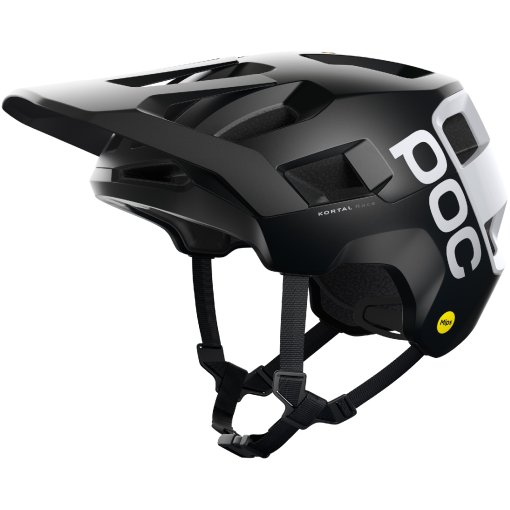
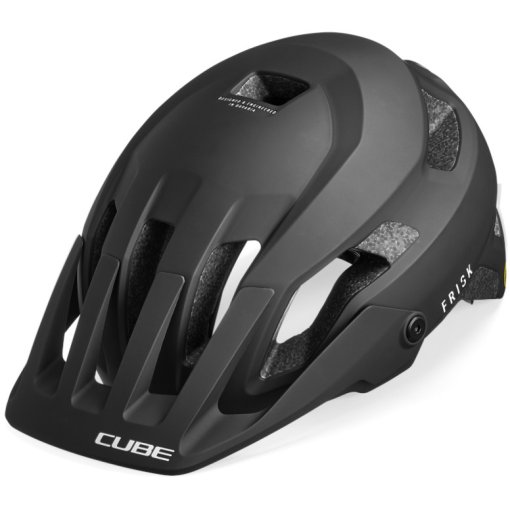
MTB helmets for cross-country tend to be lightweight, very well ventilated half-shell helmets that often do not need a visor. If demanding mountain trails are your terrain, a trail or all-mountain helmet is probably more suitable for you. In contrast to XC helmets, they have a longer shell at the back of the head and a proper visor.


Full-Face Safeguards
Downhill Helmets
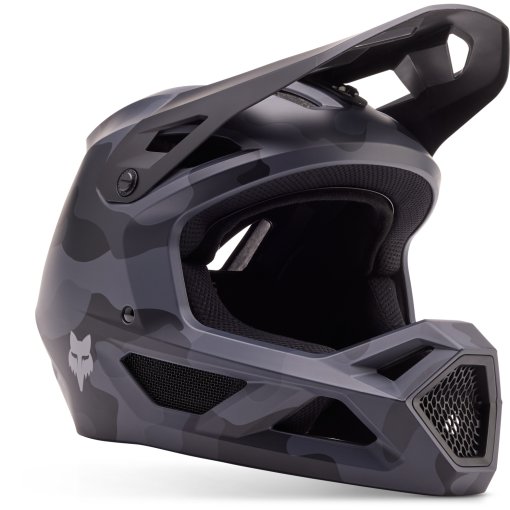
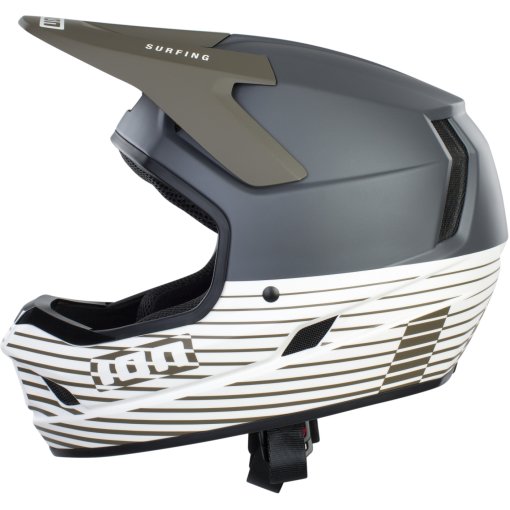
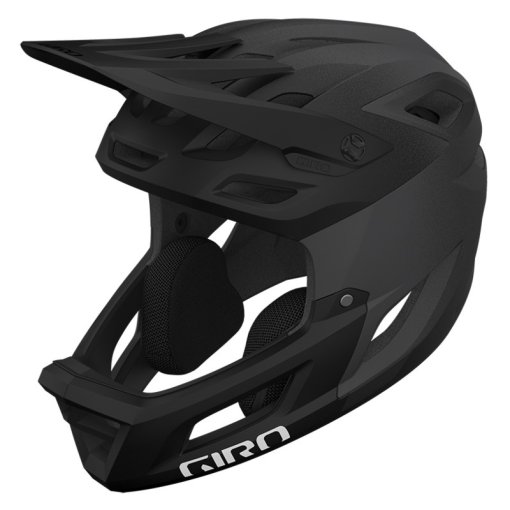
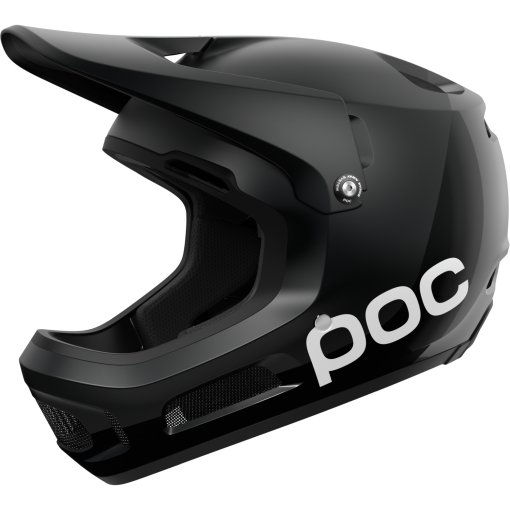
If the terrain gets rougher or you want to ride challenging downhill lines in the bike park, a full-face helmet is probably the best choice. They offer strong all-round protection but are less suitable for touring, since they can’t offer the same amount of ventilation.


Eyes on the Prize
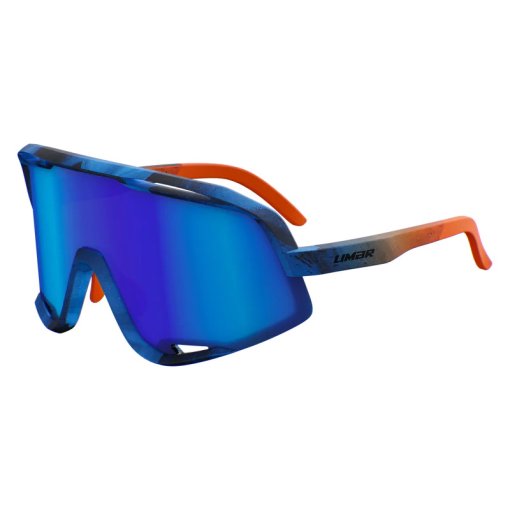
Mountain Bike Glasses
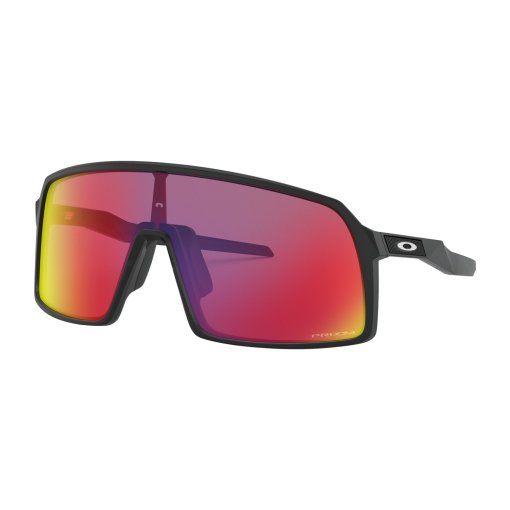
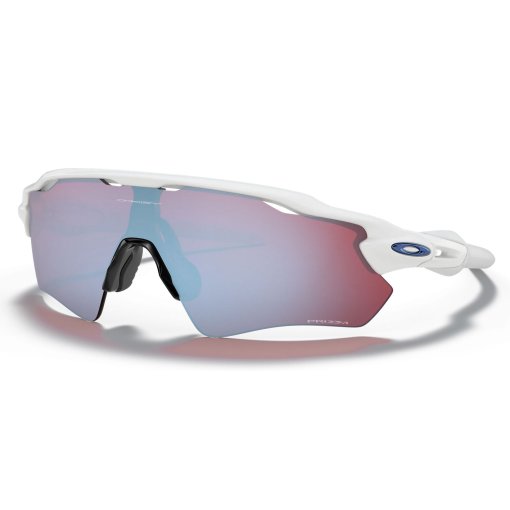
Cycling glasses are not just a stylish accessory, they also protect your eyes from drying out due to the wind or coldness, UV light, dust, dirt and debris. On sunny days it is especially advisable to wear glasses with tinting or even self-tinting sports glasses, which help you see in different light conditions.


Clear Vision at All Times
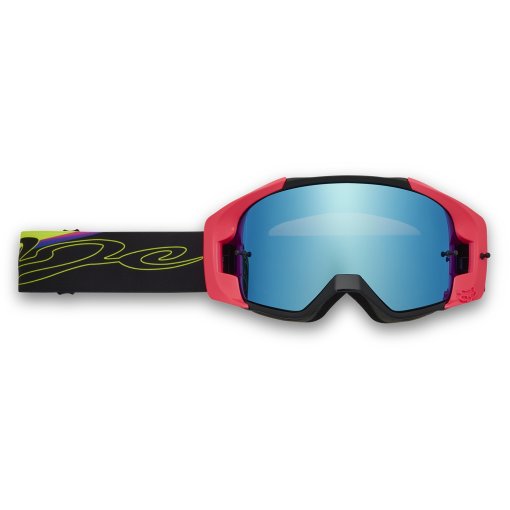
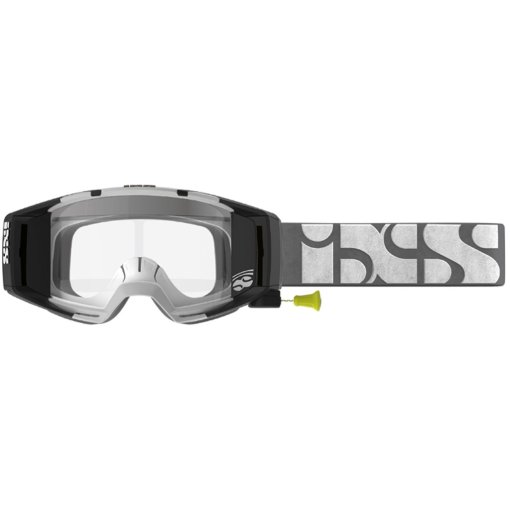
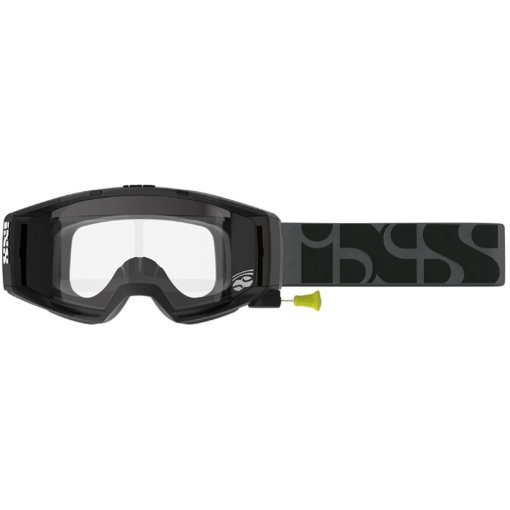
Mountain Bike Goggles
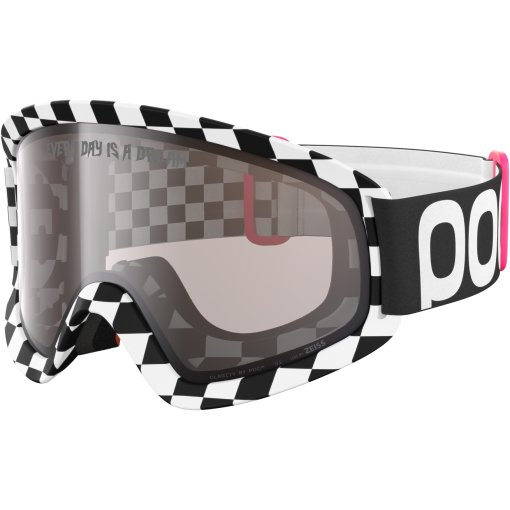
If you ride in steep terrain with a full-face helmet, you should always combine it with MTB goggles. They can best protect your eyes, especially in rainy or dusty conditions. As the goggles are connected to the helmet via a strap, they also offer a safer fit.


Comfort for Performance
Mountain Bike Jerseys
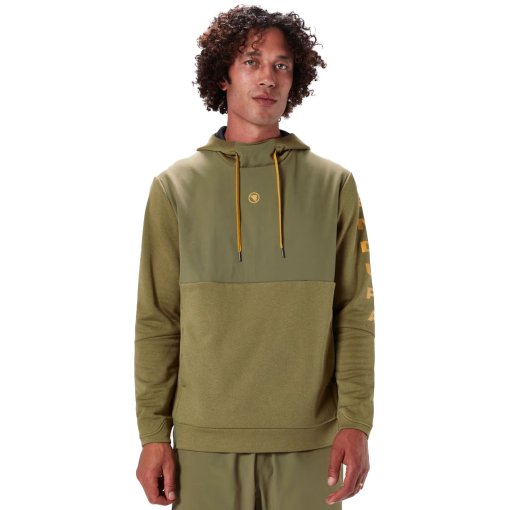
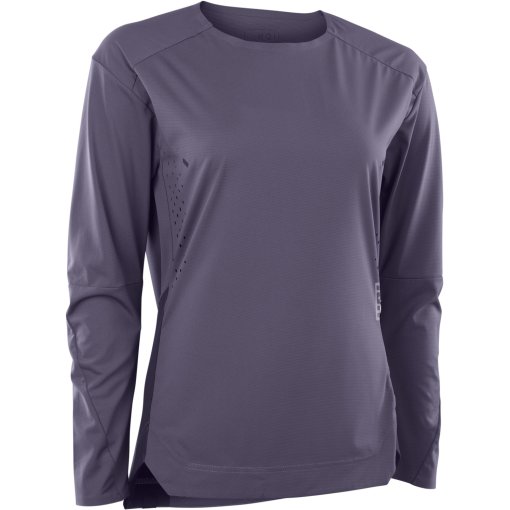
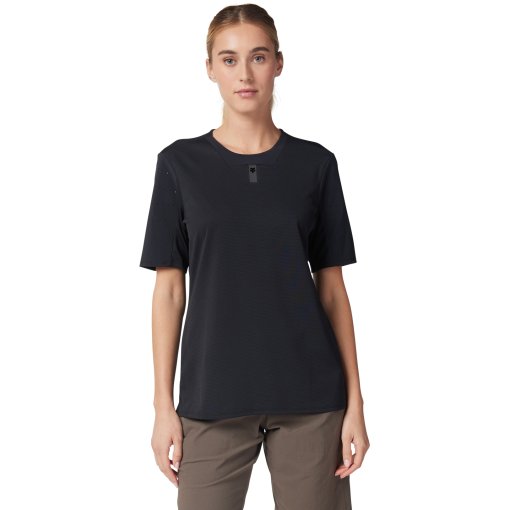
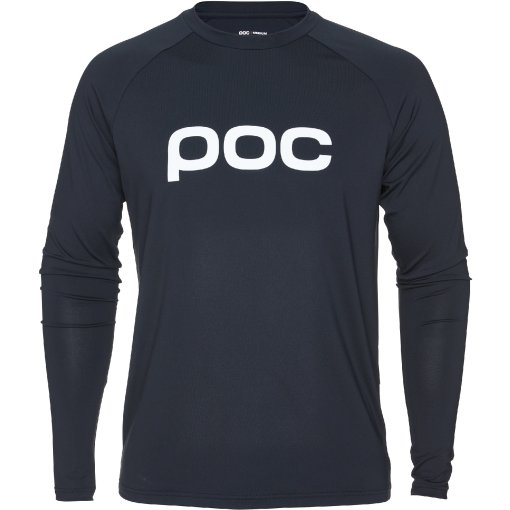
Aerodynamically tight-fitting jerseys are mostly used among XC and marathon riders. Trail, all-mountain and enduro riders, in contrast, often opt for more relaxed shirts and long-sleeves. The hardcore faction of freeride and downhill riders like a particularly loose fit at the top to avoid abrasions.


Extra Protection
Body Armor
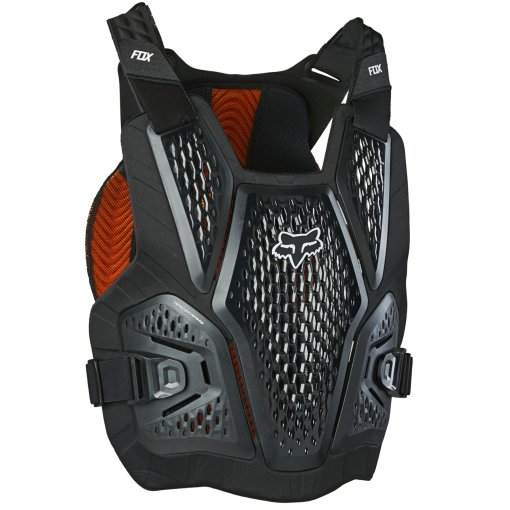
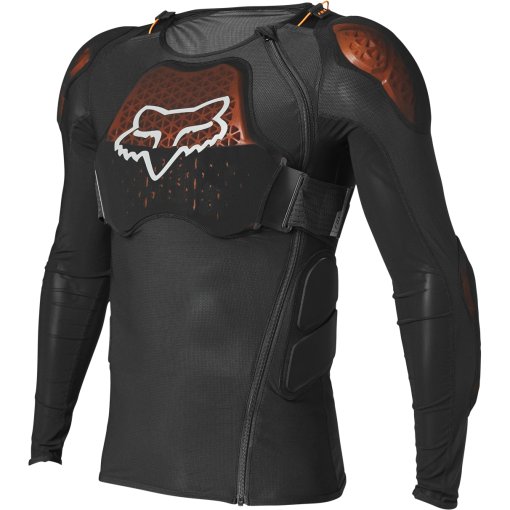
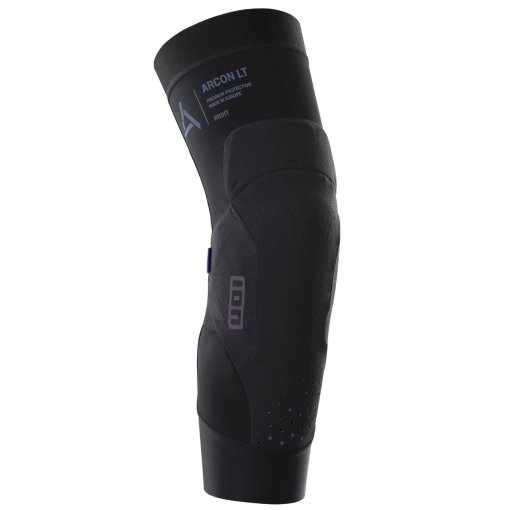
When testing the limits on jumps and technically demanding passages, additional body armor can be a literal life saver. Most Downhill shorts, pants and shirts are cut extra wide to leave enough room for protector shorts, knee guards or protector jackets, but not every MTB outfit will go with all types of body armor.
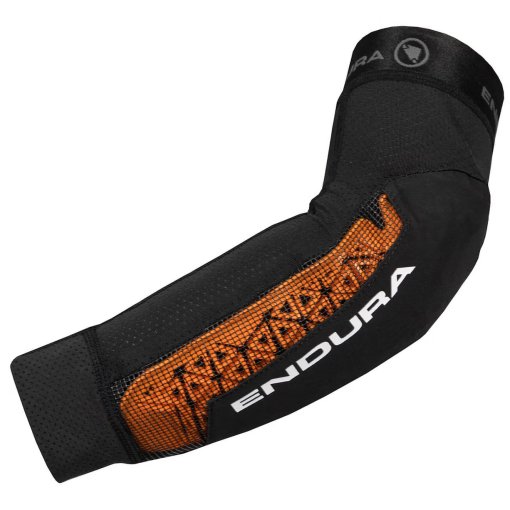


Your Life in Your Hands
Mountain Bike Gloves
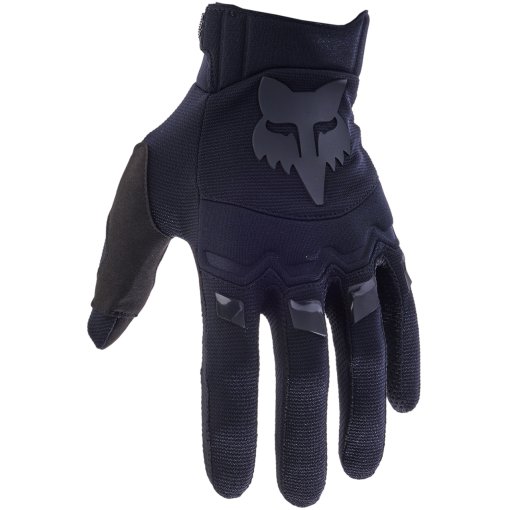
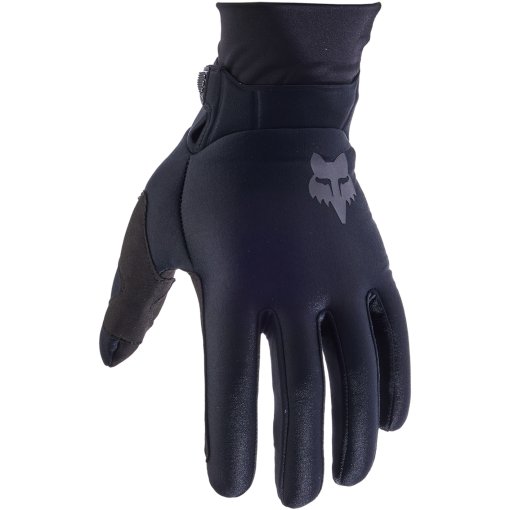
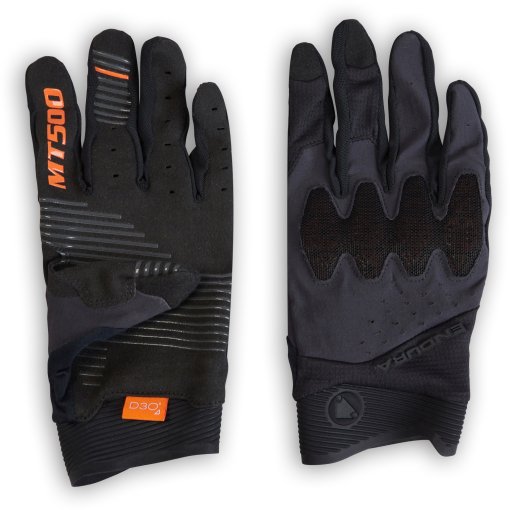
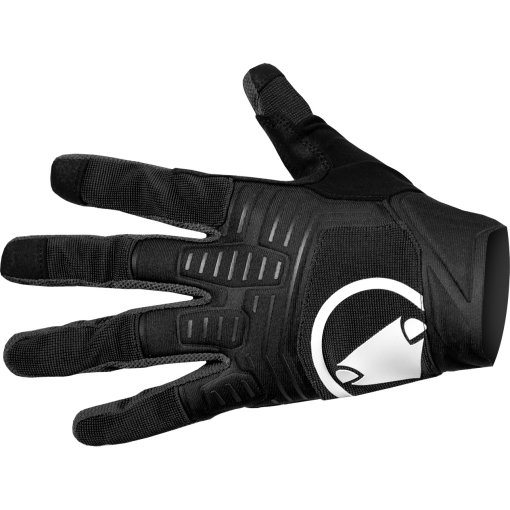
If you want to shred demanding trails, you should opt for MTB gloves with additional reinforcements on the back of the hand, which prevent injuries when hitting branches or stone edges. Thinner models still offer protection against scratches, whilst providing more grip on handlebars and brake levers.


No Shortage of Options
Mountain Bike Shorts
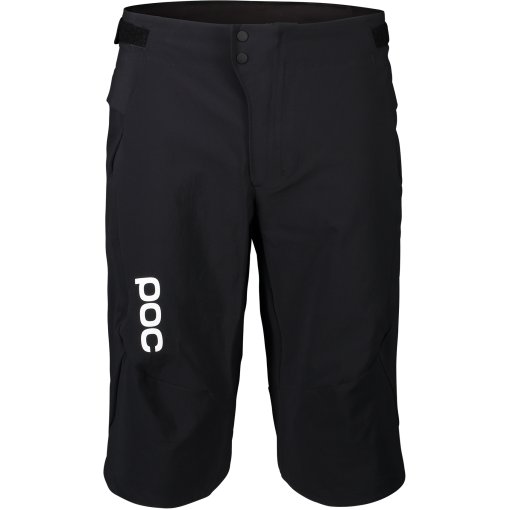
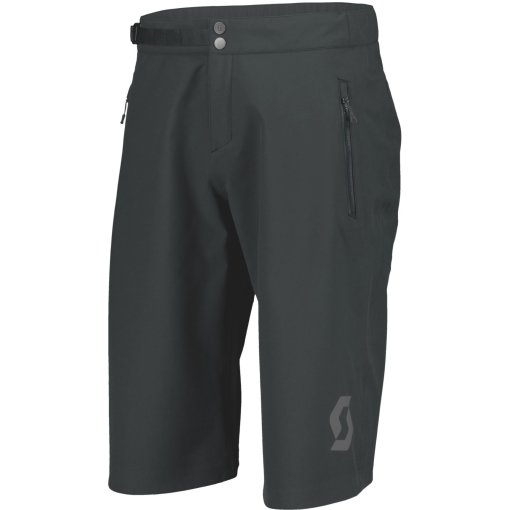
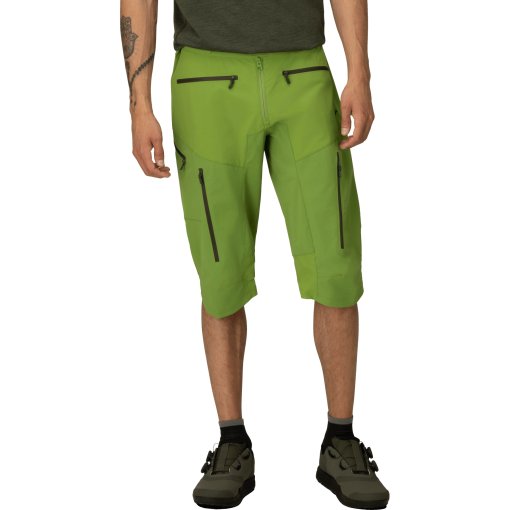
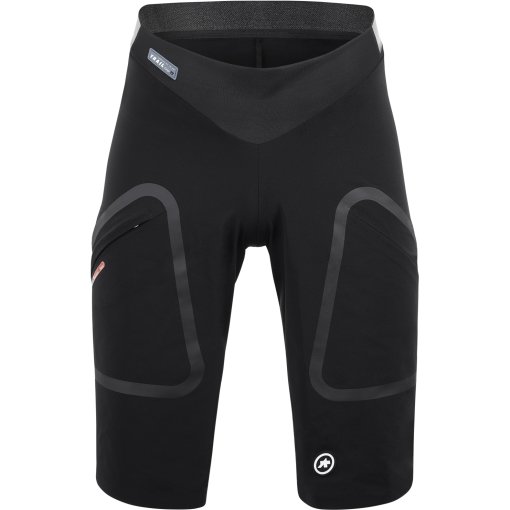
In contrast to tight-fitting XC shorts, those for longer or harder trails require a more comfortable, casual cut and the option to add seat and knee pads. Bermuda shorts can add some extra material to protect the knees from rough surfaces.


For Longer Trail Fun
Mountain Bike Pants
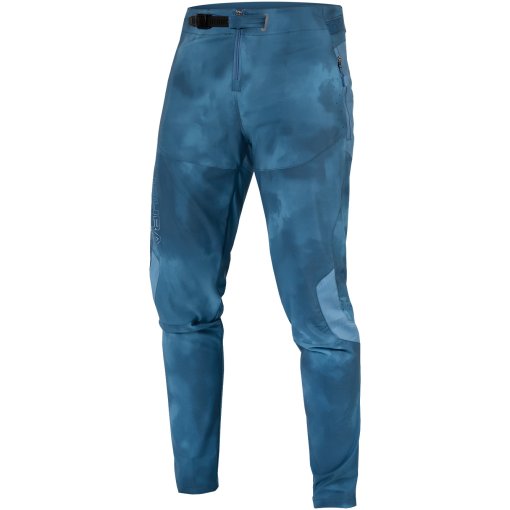
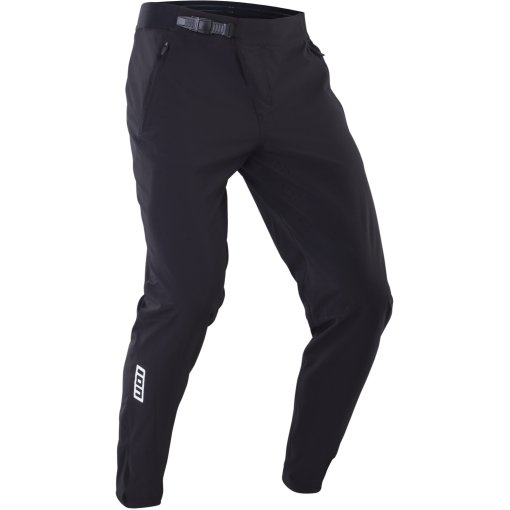
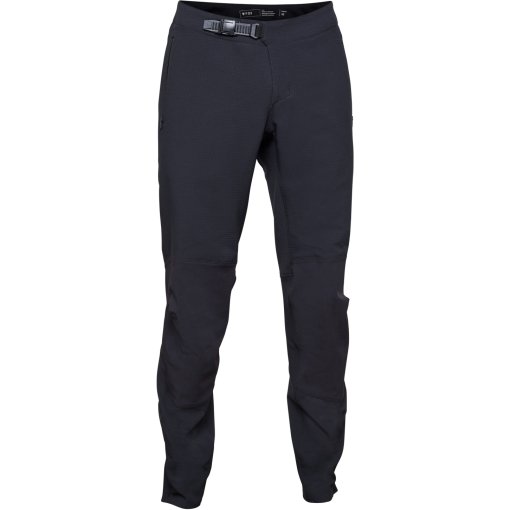
MTB pants are usually narrower at the calves, so that nothing gets in the way or caught on the descent. They still allow for added knee pads or inner pants for extra protection and comfort though. And provide plenty of pockets and ventilation openings.



Standing on Your Own Two Feet
Mountain Bike Shoes
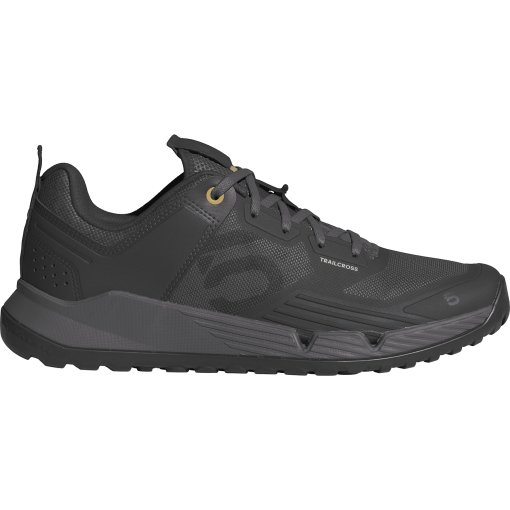
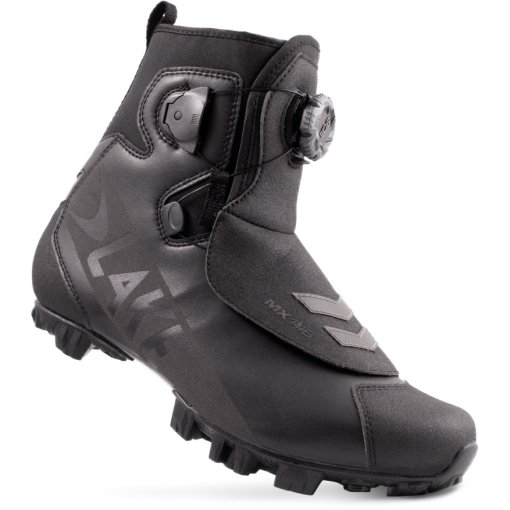
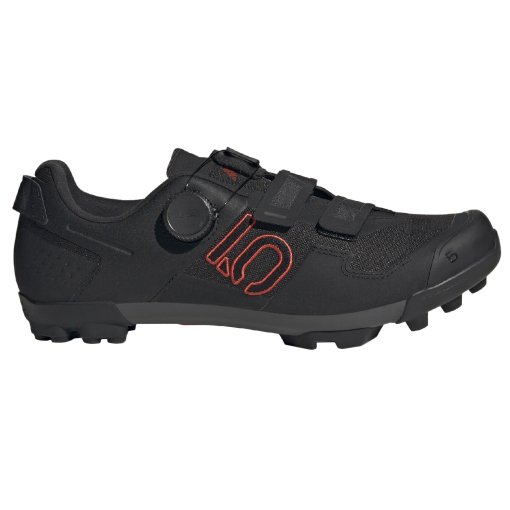
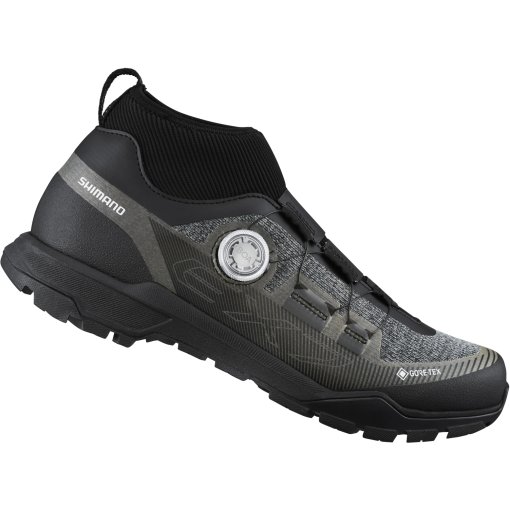
Shoes for clipless pedals allow for more efficient power transfer and are therefore ideal for XC style rides. If you are a regular on downhills or in bike parks, you should wear sturdy MTB shoes, which are reinforced at the toe and heel area and offer more grip on flat pedals.