- Home
- Cycling
- Bikes
- Mountain Bikes
- Full Suspension Mountain Bikes
Full Suspension Mountain Bikes
Full Suspension Mountain Bikes – Everything You Need to Know About the Off-roaders
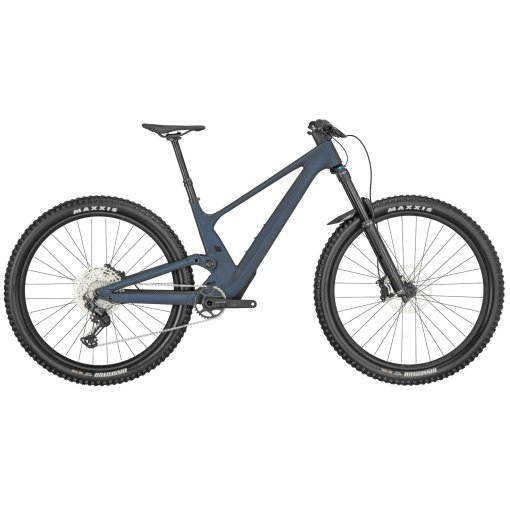
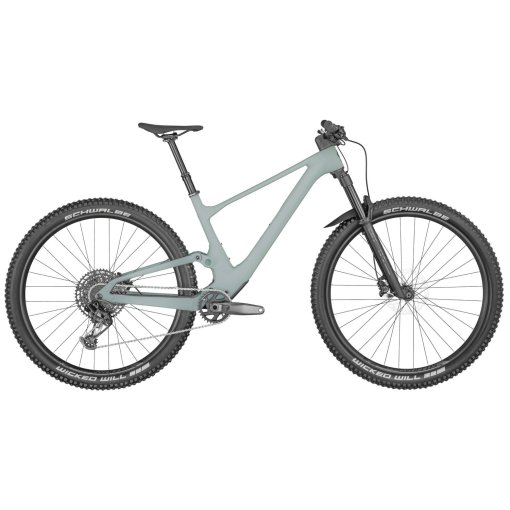
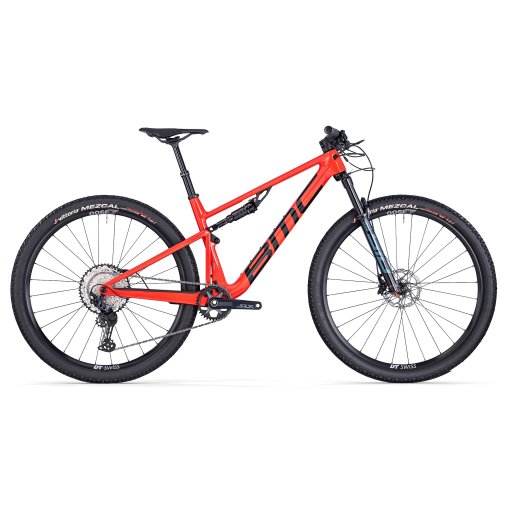
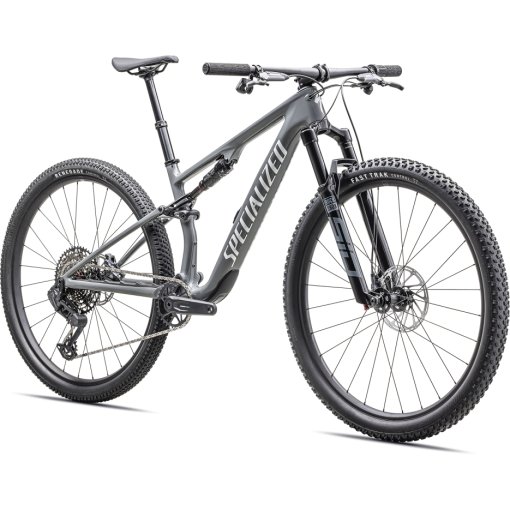
Front suspension and rear suspension – if you want to have unlimited off-road fun on your mountain bike, then you need a fully. Thanks to the suspension fork and well-damped suspension, this type of bike can take even the heaviest impacts on your trail tours with flying colors. Whether you're interested in a touring full-suspension bike, a trail bike or an enduro full-suspension bike – on this page, we explain everything you need to know about full suspension mountain bikes. We also give you helpful tips for buying a full suspension mtb.
What Is a Full suspension MTB?
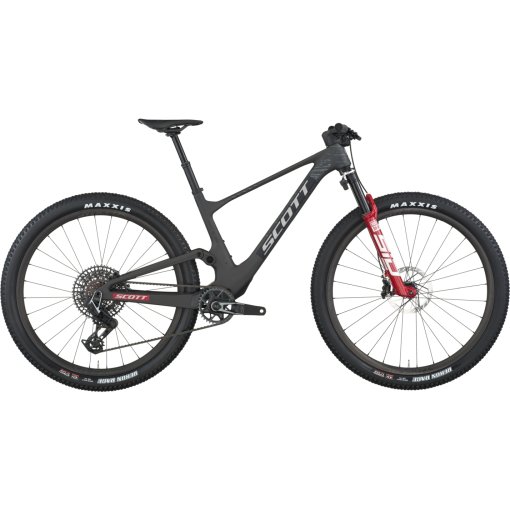
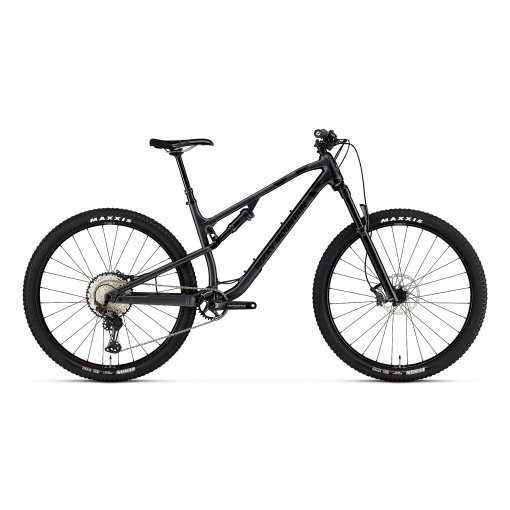
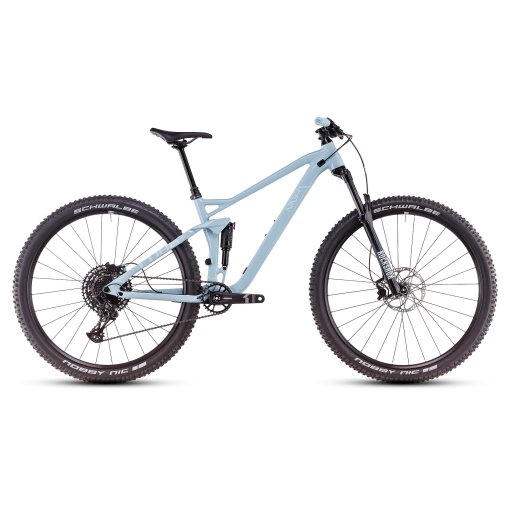
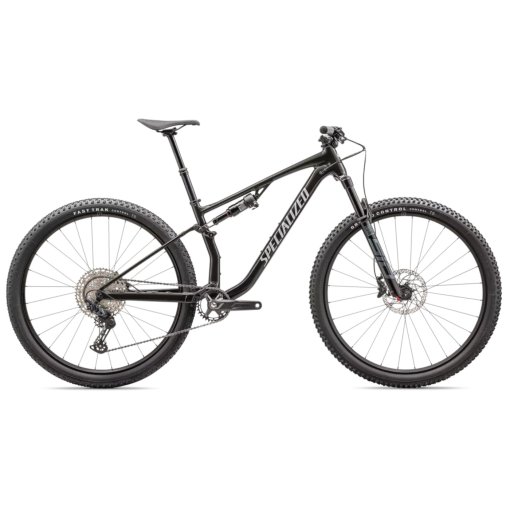
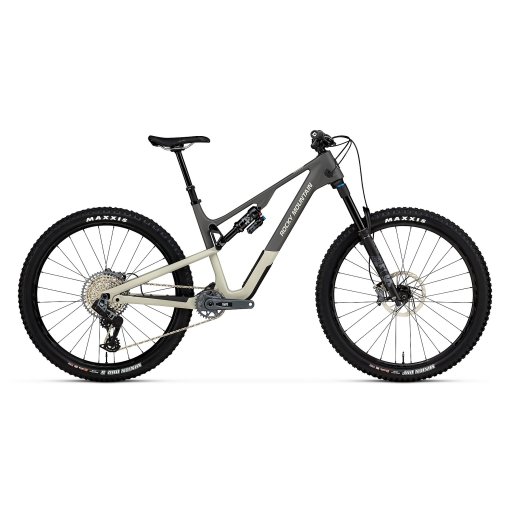
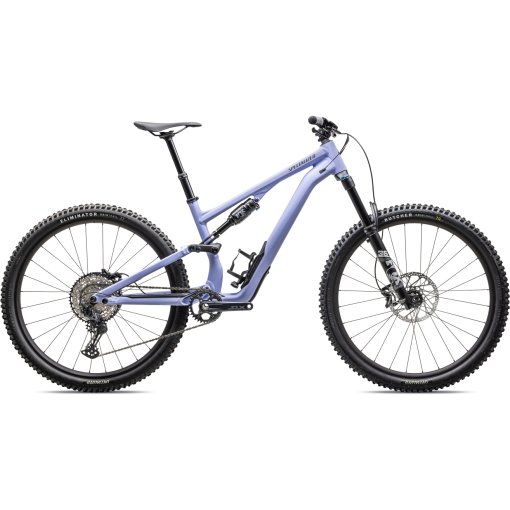
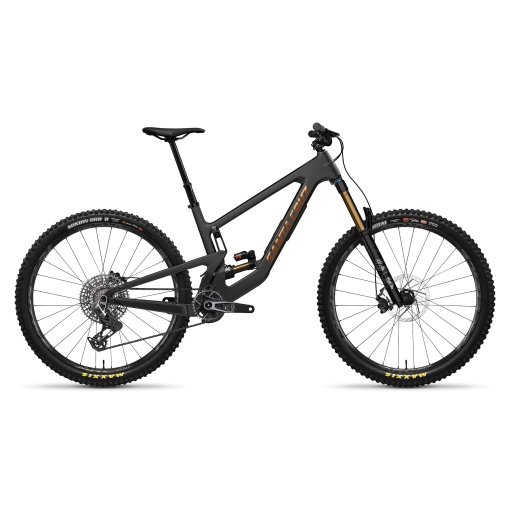
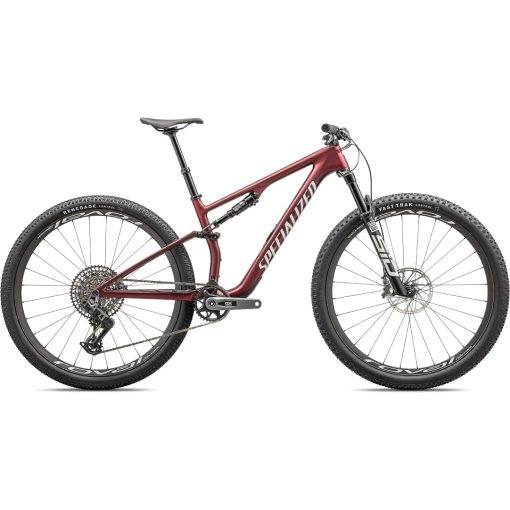
A bumpy trail on an Alpine cross, a steep descent on a downhill – a full-suspension mountain bike, also known as MTB Fully, is the first choice for all demanding athletes who want to ride their MTB without restrictions and have as much fun as possible. As the name suggests, fullys are full-suspension mountain bikes. Fully is the abbreviation for "full suspension".
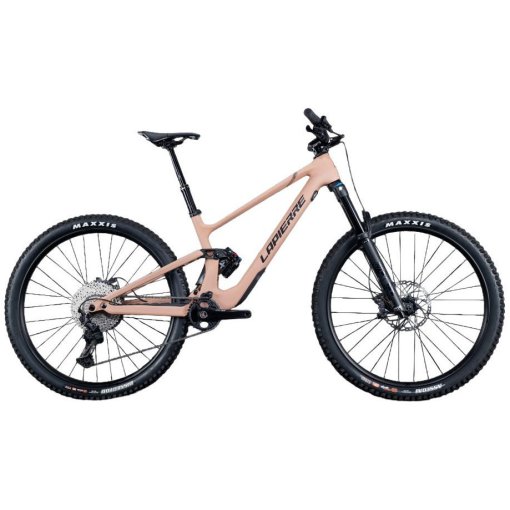
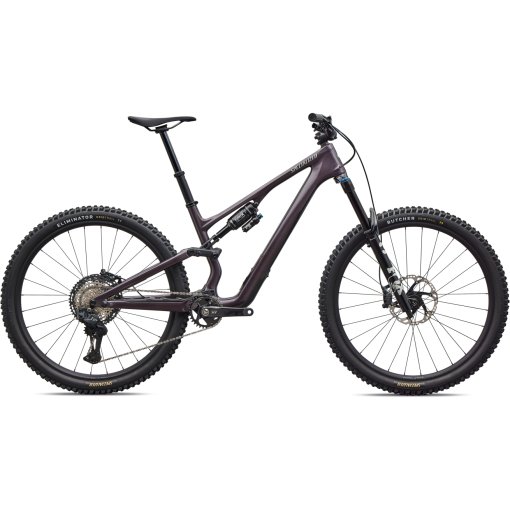
The full suspension bike has a complete chassis with suspension fork at the front and suspension at the rear. This distinguishes it from the hardtail, which only has a suspension fork at the front, but the rear wheel is unsprung. MTB fullys were created to ensure that both wheels are always in contact with the ground on rough terrain. Because ground contact means control, safety and good traction on the bike. These are the prerequisites for trail riding in particularly demanding terrain.
When Do You Need a Mountain Bike With Full Suspension?
The full suspension bicycle combines two things that stand for maximum riding fun on a mountain bike: With its set-up, it is perfectly prepared for off-road riding. And thanks to the suspension of both wheels, you can ride a fully on any terrain without restrictions and experience epic tours. However, not all full suspension bikes are the same. There is now a wide range of different types of fully bikes, from moderate touring fullys to enduro MTBs. However, the greatest variety of models can be found in the trail and all-mountain fully segment.
Generally speaking, if you enjoy riding an MTB in demanding terrain and don't want to be limited by the less forgiving suspension of a hardtail, then you need a full suspension mountain bike. The price you pay for full suspension is a higher weight and higher bike costs than a comparable hardtail, for example. You can roughly say that a MTB Fully costs around 500 to 800 euros more than a comparably equipped hardtail. In terms of weight, there is also at least 500, more likely 800 grams between a fully MTB and a hardtail mountain bike.
The decision whether you should buy a full or hardtail is easy to answer if you know where you want to ride your MTB. Do you value comfort and love trails, descents and big adventures on your mountain bike? Then you're better off with a fully. If flowing single trails, wide forest and gravel tracks are your thing, then you are better off with a lighter hardtail.
Typology – Which Full Suspension MTBs Are Available?
As with every bike, there are different types and models of full suspension mountain bikes. To make your purchase decision easier, we will introduce you to the most important fully types below. First of all: at BIKE24 you will find a large selection of all model variants – whether touring fully or enduro fully.
MTB Touring Fully – the Entry Into the World of Mountain Bike Fullys
As already mentioned, there are different categories of full-suspension mountain bikes. The MTB touring fully is widely used. It has between 120 and 140 millimetres of travel, a balanced geometry so that you sit comfortably, and it offers safe handling thanks to smooth, reliable steering. The MTB touring full-suspension bike is therefore also the entry-level model into the world of full-suspension bikes. It is ideal for tours – whether relaxed at the end of the day or really long, even in the mountains. The main thing is that your focus on the bike is on a high level of comfort and the all-round reliable character of your two-wheeler.
The boundaries between the SUV bikes and MTB touring fullys that are currently so popular in the electric bike sector are blurred: there are also versions of some touring fullys with pannier racks, fenders and lights – these models are clearly aimed at touring fans and touring cyclists who also want to make excursions into more demanding terrain. However, there are also MTB touring full-suspension bikes with quite a lot of travel (140 millimetres) and somewhat sportier geometry that bridge the gap to the next category: the MTB all-mountain full suspension bike.
Down-country-fully – For the Very Sporty Applications
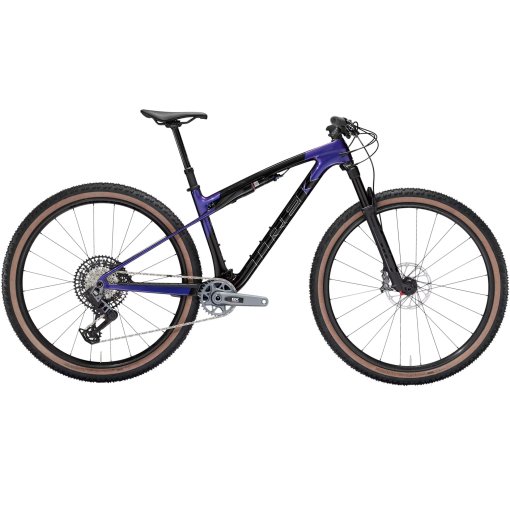
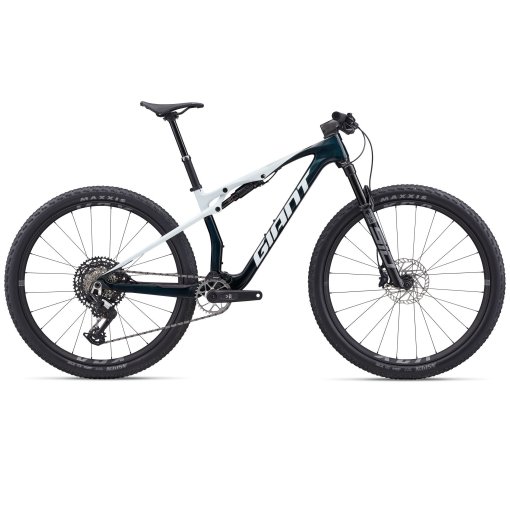
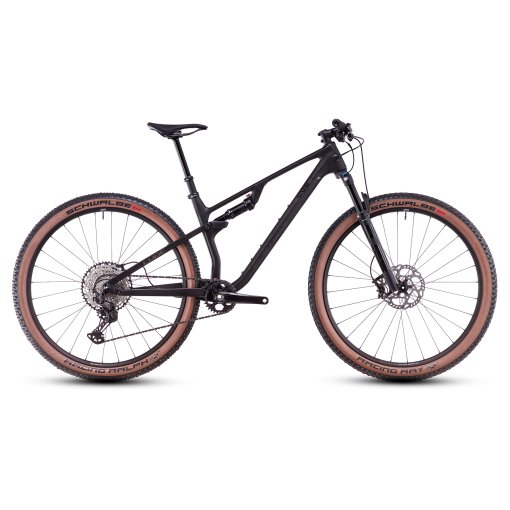
Closely related to the touring fully is the down-country fully. The difference is that it is much racier. These bikes, which are also known as cross-country fullys, are therefore particularly light and of high quality. The aim: smooth uphill riding with simultaneous control on difficult descents. The typical travel on the fork of a down-country fully is 120 millimetres.
MTB All-mountain-fully – Now It's Getting Sporty!
The MTB All-Mountain-Fully is sportier than the MTB Touring-Fully. With 140 to 160 millimetres of travel, it offers a little more potential for technical trails and fast descents. Even more important than the slightly more generous travel, however, is the geometry: the MTB All-Mountain-Fully has a slightly sportier design. The front frame is longer, which means that an all-mountain bike is fuller and smoother on the trail. However, you can also tackle challenging descents much faster and with more fun. You also sit more sportily, with a little more extension and more pressure on the front wheel.
In combination with the slacker head angles and shorter chain stays, the faster and more powerful you are off-road, the better an MTB all-mountain is. A special feature of some all-mountain full-sussers (this applies to models with and without a motor) is that they are sometimes fitted with mixed tires: a 29 inch wheel at the front and a 27.5 inch wheel at the rear. This combination is intended to ensure safe rollover behavior of the front wheel and agile handling by the rear wheel. However, there is currently no clear trend in terms of wheels for MTB all-mountain bikes. Depending on the manufacturer and concept, some are on 29 inch wheels, while others roll on 27.5 inch wheels.
Trail Bike Fullys – for Maximum Trail Fun
The trail bike is very close to the all-mountain fully. The difference lies in an even sportier geometry with even slacker angles. Trail bikes therefore tend to have 140 millimetres of travel, while all-mountain mountain bikes tend towards 160 millimetres.
Enduro Fully – the Specialist for Hot Downhill Rides
If maximum downhill fun is your top priority, then the MTB enduro is the right bike for you. Descents in alpine terrain, a day in the bike park – these bikes are designed for tough conditions with sturdy parts and thick, grippy and very puncture-resistant tires. Enduro full-suspension bikes offer 160 to 180 millimetres of travel. Similar to trail bikes, the geometries are designed for smooth downhill riding at high speeds with flat angles and a long wheelbase. And as with MTB all-mountain full-suspension bikes, there is no clear trend when it comes to wheels: depending on the manufacturer, these bikes are available with 27.5 inch, 29 inch or a mixture of 29 inch front and 27.5 inch rear wheels.
The MTB Fully Categories at a Glance
The best way to select the right MTB fully for your area of use is to use the filter of the same name or the travel.
- Cross-Country: for fast tours and racing, 100 mm travel
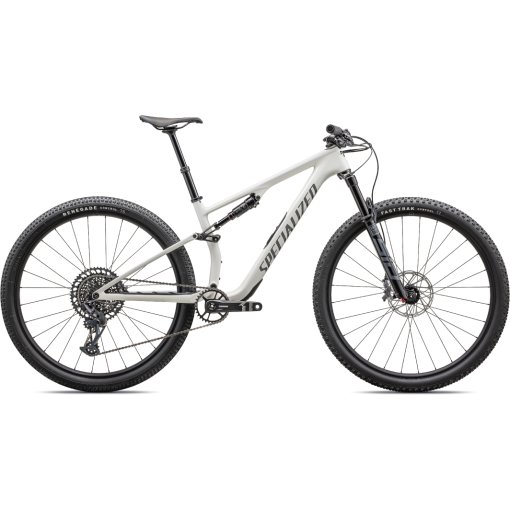
- Downcountry-Fully: for sporty trail tours, 120 mm travel
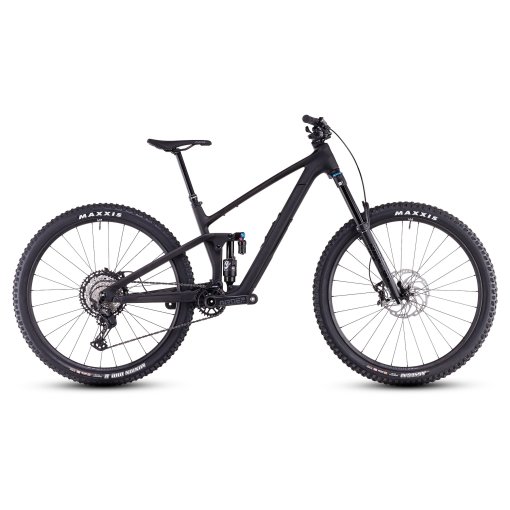
- All-Mountain-Fully: sporty-long geometry, 140 – 160 mm travel
- Trail/Touring-Fully: long, comfortable geometry, 120 – 140 mm travel
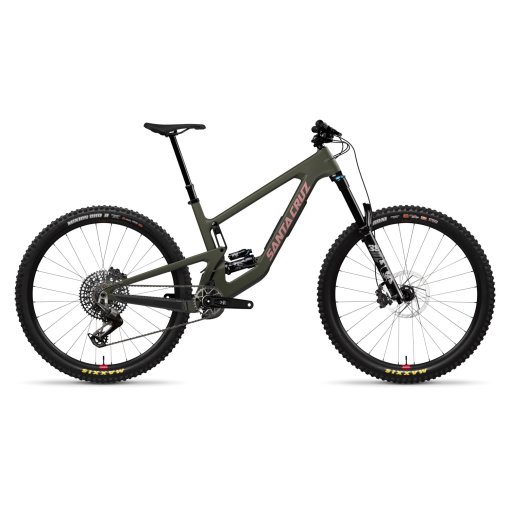
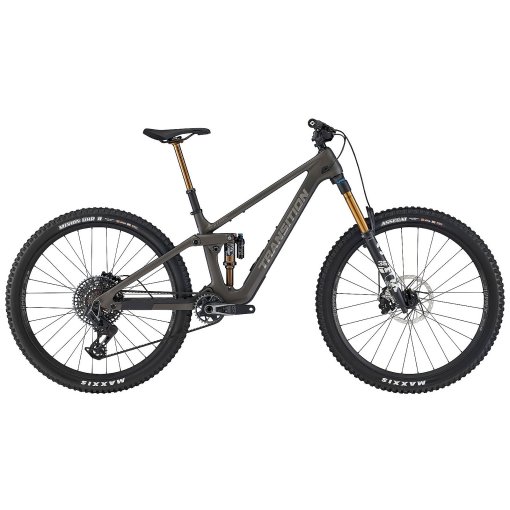
- Enduro: sporty, long geometry, 160 – 180 mm travel
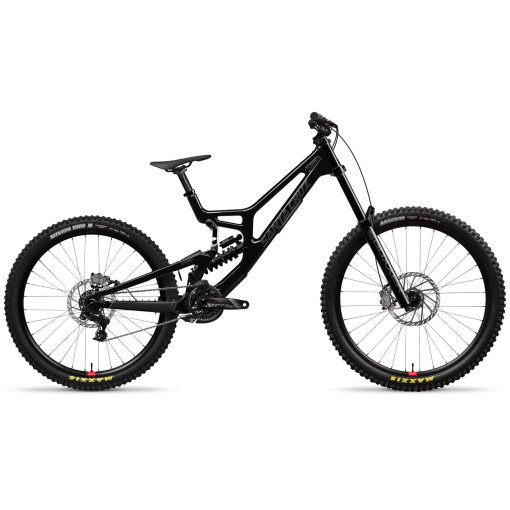
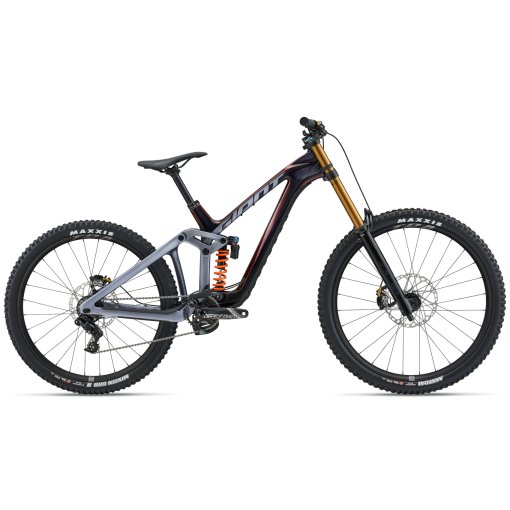
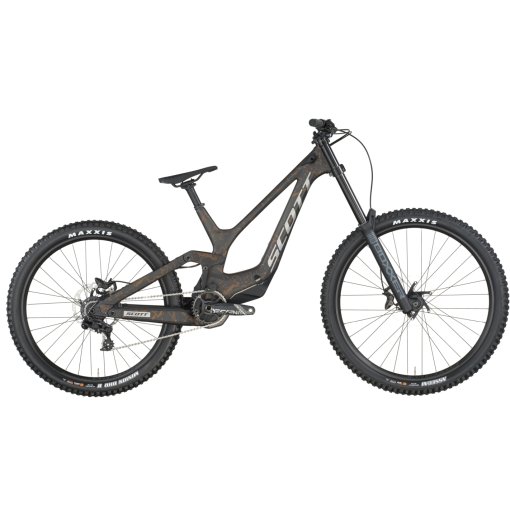
- Downhill-Fully: long geometry, with special feature flat seat angle, 200+ mm travel
Full Suspension Mountain Bike Buying Guide – These Are the Things You Need to Look Out For
MTB Fully – The Frame Material
Regardless of the category, the question of frame material arises with every fully MTB. Do you need an aluminum or carbon frame? Frames made of aluminum are cheaper because the material is easier to work with. However, aluminum frames are somewhat heavier than carbon frames. And in terms of stability, durability and sensitivity, there are no major differences between aluminum and carbon.
MTB Fully – The Chassis
Precisely because MTB fullys offer such great potential for lots of off-road riding fun, you should make sure that the suspension fork and shock are as high-quality as possible. Air suspension should always be fitted to MTB full-suspension bikes; forks and shocks with steel springs are nowadays only used on very affordable bikes, aggressive enduro machines or extreme freeriders or downhill bikes. The fork and shock should be lockable (lockout). Even better is platform damping with three damping modes: open for full downhill performance, one stage for the best performance on fast singletrails, and a firm mode or even lockout for lengthy climbs. If you often have long climbs in mind, then a lowerable suspension fork could also be useful, as it allows you to sit more relaxed on the bike on the mountain.
MTB Fully – The Wheels
More spokes and wider rims are the basic characteristics when it comes to MTB fully wheels. A lower weight of the wheels as a rotating mass also influences how lively they accelerate on mountain bikes and how light-footed they feel. Nevertheless, stability should always take priority. As described above, there are currently no clear trends when it comes to wheel diameter. Wheels with 27.5 inch rims provide a slightly more agile, playful character. Wheels with 29 inch rims, on the other hand, roll more smoothly over obstacles and thus bring advantages at high speeds in rough terrain. To take advantage of both wheel diameters, some MTB fullys are therefore also available with a so-called mullet setup: 29 inches at the front and 27.5 inches at the rear.
MTB Fully – The Tires
As with the wheels, the following applies: As not every gram counts on an MTB, the tires should be at least 2.2 inches wide, and up to 2.6 inches on all-mountain MTBs and enduro MTBs. A pronounced tread pattern always guarantees good grip and traction – this is particularly important given the full power that an MTB Fully brings to the ground. A high level of puncture protection should also be a matter of course for tires on an MTB Fully, as these bikes can easily be ridden at high speeds in rough terrain.
When it comes to tire type, more and more mountain bikers are opting for tubeless tires. The reason for this is the better protection in the event of a puncture, which means that even a cut in the coat won't take you off the trail. For gravity-heavy disciplines, we also recommend tire inserts due to the higher loads. You can also find these in the BIKE24 range.
MTB Fully – The Brakes
A powerful brake system is a must on every fully MTB. This is because these bikes travel at high speeds thanks to their powerful drive systems and potent suspension. The brake discs should have a diameter of at least 180 millimetres, preferably 203 millimetres, so that they can cope well with lengthy descents. The larger the brake disc, the better it can withstand the heat. And a braking system with four pistons is more powerful and, in combination with large brake discs, is more stable, offering consistently high performance even on long and hard downhills without overheating.
MTB Fully – What Else Is Important
If you are riding off-road, a dropper seatpost is a must. A dropper post guarantees you the necessary legroom and therefore unrestricted handling on trails and descents. Whether for the dropper seatpost or the suspension fork and shock – a remote control from the handlebars is not a luxury, but a prerequisite to ensure that you always use these features.
Fully Mountain Bike – Summary
- Full suspension MTBs are mountain bikes with double suspension – front and rear
- With their set-up, fully mountain bikes are perfectly prepared for off-road riding
- MTB fullys are available with different suspension set-ups – depending on the intended use.
- When buying an MTB full-suspension bike, make sure it has high-quality suspension so that you can use the bike's full potential off-road and on longer rides.
- Pay attention to a strong brake system with large brake discs, stable wheels and tires with good grip so that the MTB fully can cope with high speeds.
- Whether the frame is made of aluminum or carbon is less important for MTB fullys. Functionally, there is hardly any difference between the two materials, only carbon has advantages in terms of weight.