Shop MTB Cranksets Online at BIKE24
There is more to it than the simple cycling principle that makes the crank a central component of your mountain bike. High-quality MTB cranksets make most rides on the trails possible in the first place. At the same time, the crank is subjected to more stress than almost any other component on a mountain bike, for example in downhill riding. Unforgettable kilometers over roots and rocks often leave their marks and at some point it's time for a new crankset. From spindle types over chainring versions to the chain line: We tell you what to look for when buying a new Mountain bike crank.
That's Why the MTB Crank Is the Key
The bike crank is much more than just a link between the pedals and the drivetrain. It plays a major role in how efficiently your power is transferred and affects the application of your bike. For example, a high-quality MTB crank can improve the stability of your mountain bike and thus its robustness. It can also reduce the overall weight of the bike. Mountain bike crank upgrades are particularly beneficial for enthusiasts who master rough sections on demanding trails. But even ambitious athletes who want to rely on powerful acceleration and reliable material in competitive situations will feel the advantages of carbon MTB cranks, for example.
But not every crank is the best choice for every purpose. Enduro and downhill cranks are designed primarily for stability. XC and trail riders often opt for lighter carbon MTB pedals cranks. No matter what your riding style, one thing is certain: the right choice of crank influences your performance, handling, stability and thus your off-road riding fun.
These Mountain Bike Crankset Versions Are Available
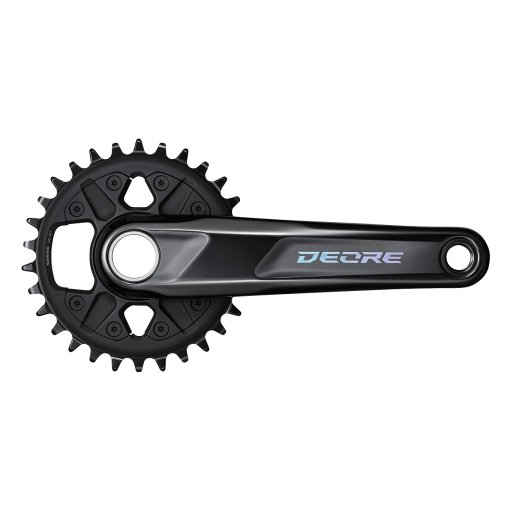
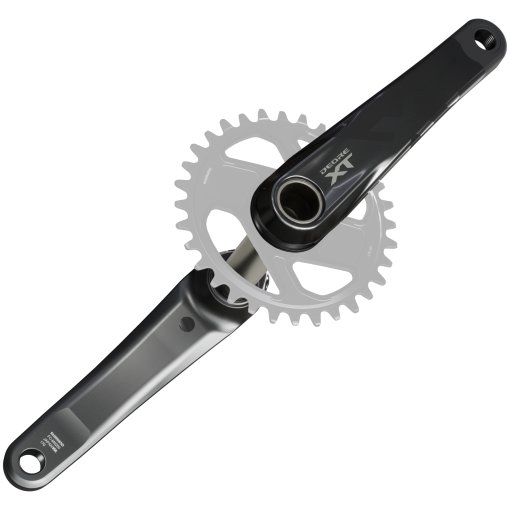
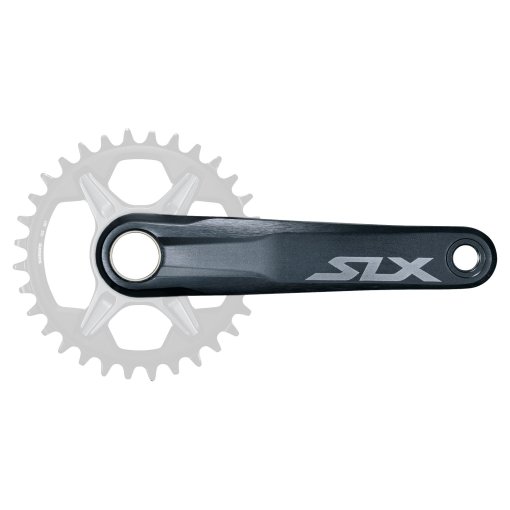
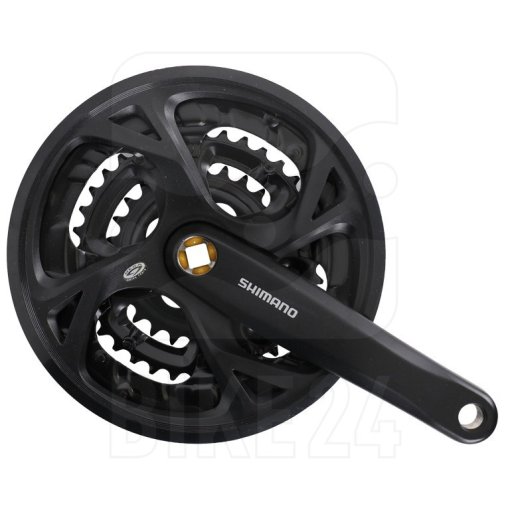
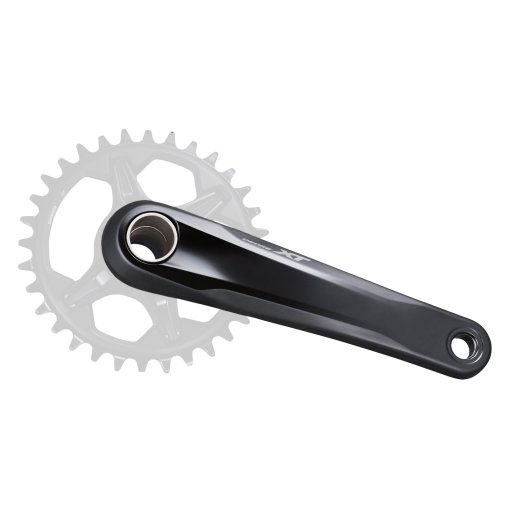
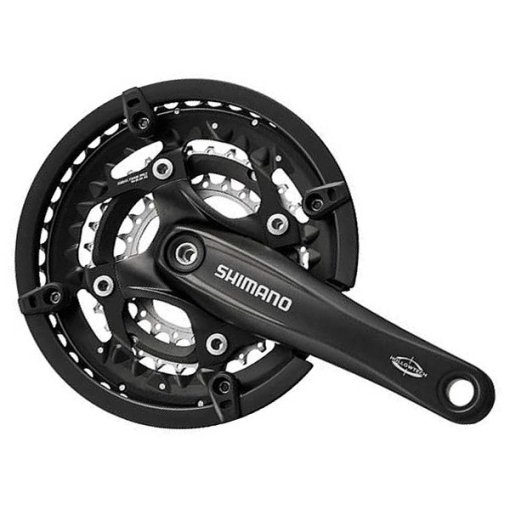
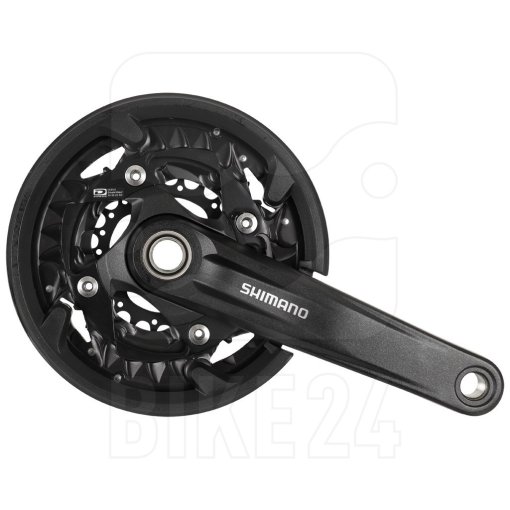
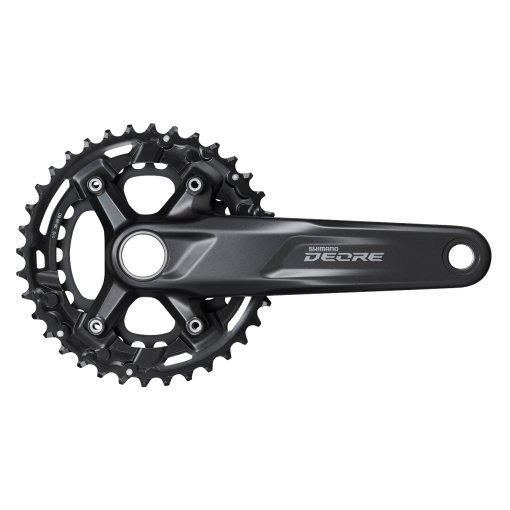
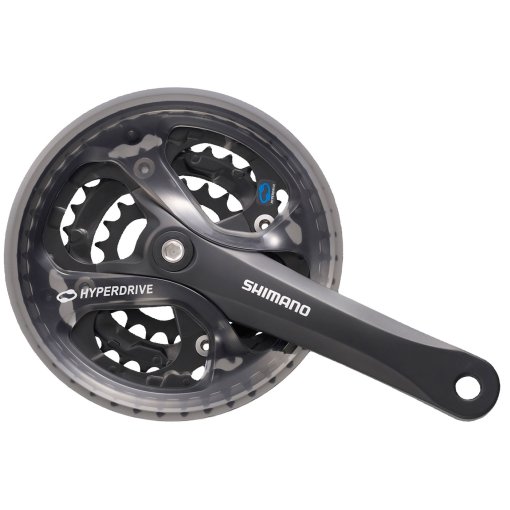
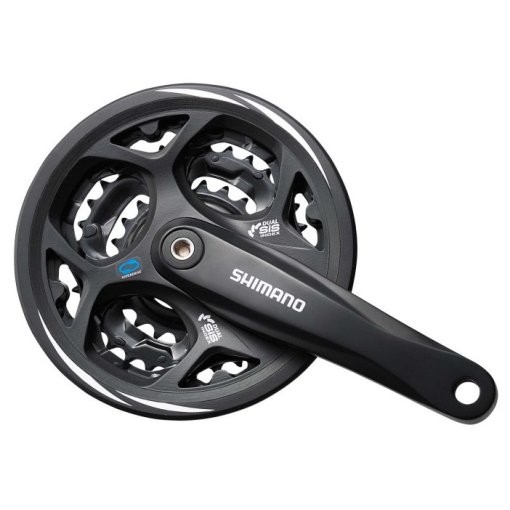
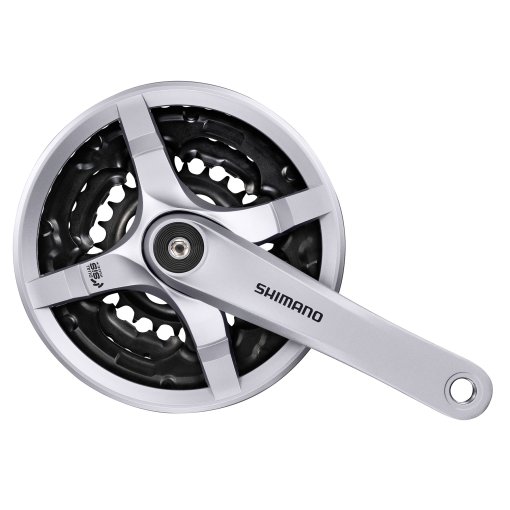
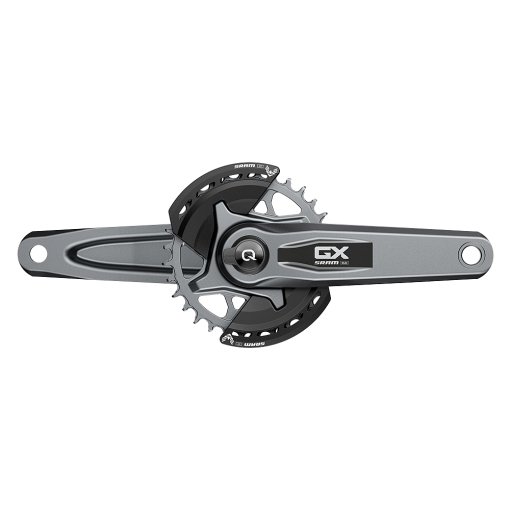
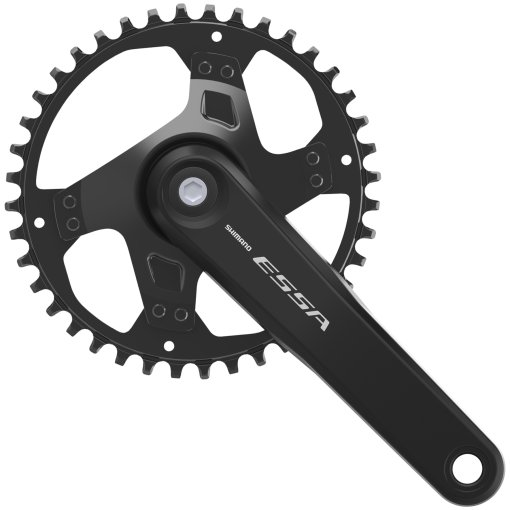
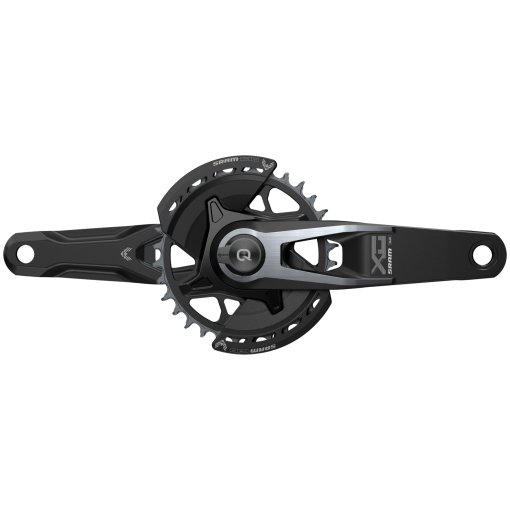
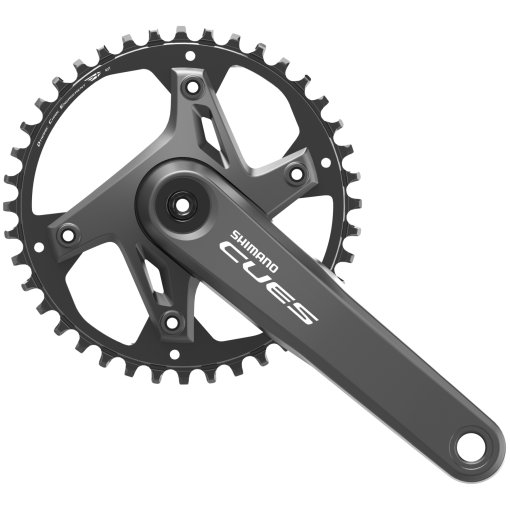
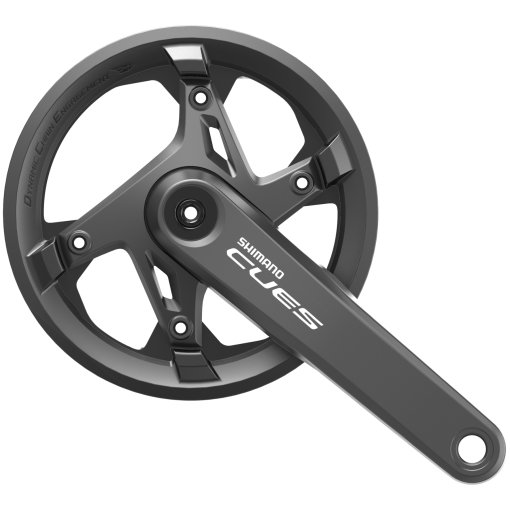
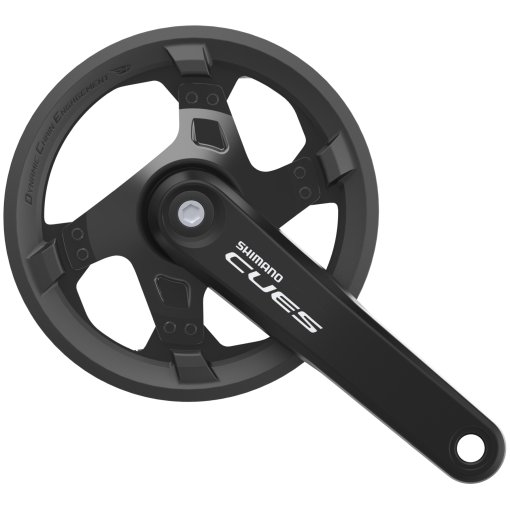
The selection of MTB cranks ranges from cranks = crankarms with a spindle to cranksets = crankarms, spindles and chainrings. The first version is particularly aimed at mountain bike fans and athletes who tune their bikes down to the last detail. They want to optimise their gear ratio with individual chainring setups. The second version is aimed at all aspiring mountain bike fans who want to swap their factory-fitted crank for a better one without having to worry about the chainrings. For both versions, you need to select the matching MTB bottom bracket separately from our online shop. Find out everything you need to know about this under "bearing standard – important for frame compatibility".
Choose MTB Pedal Cranks by Number of Chainrings, Number of Teeth and Length
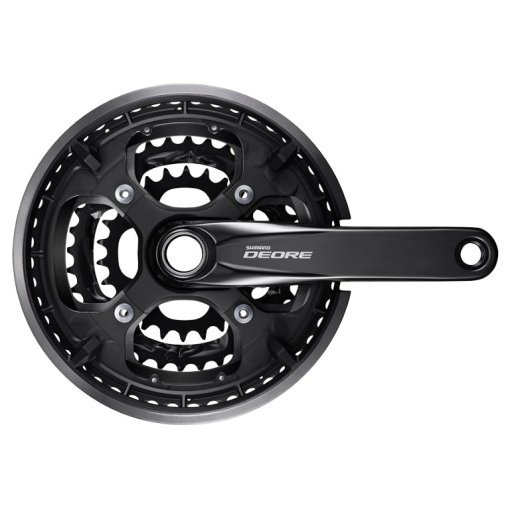
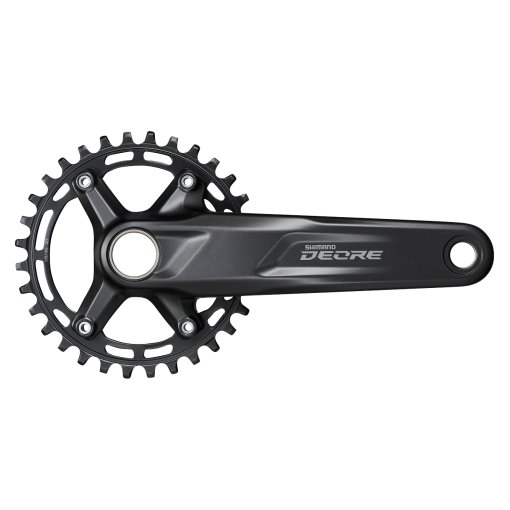
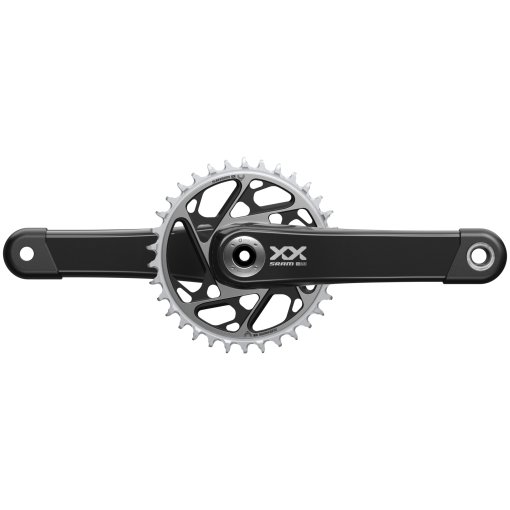
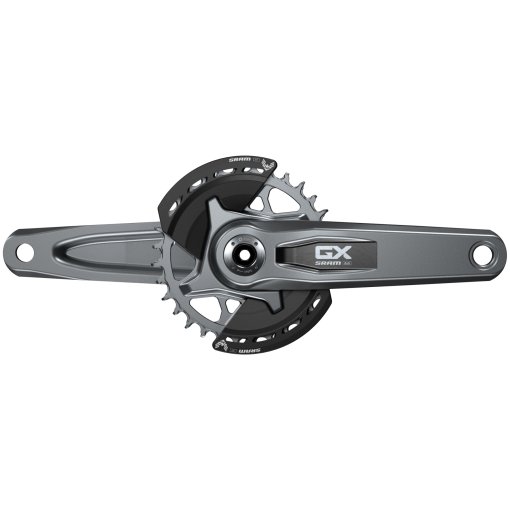
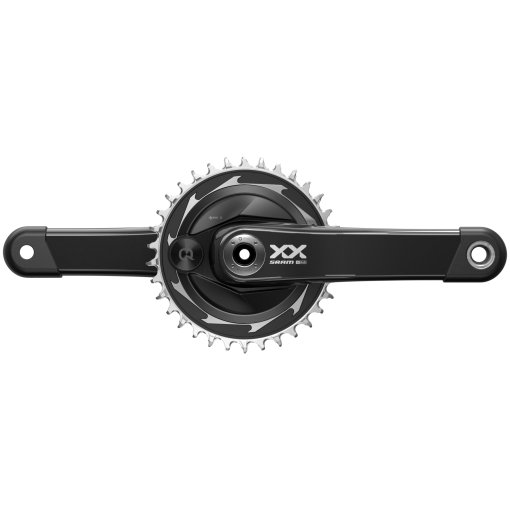
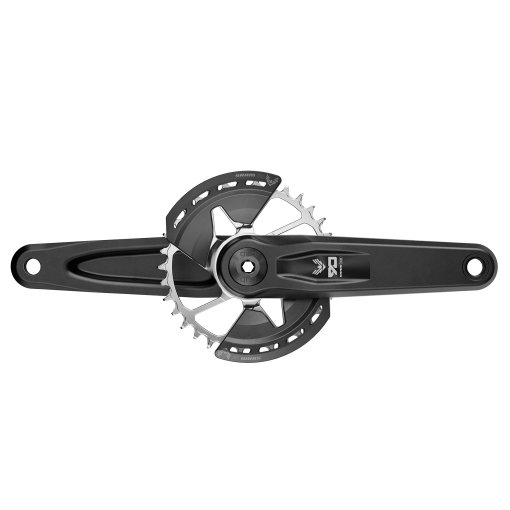
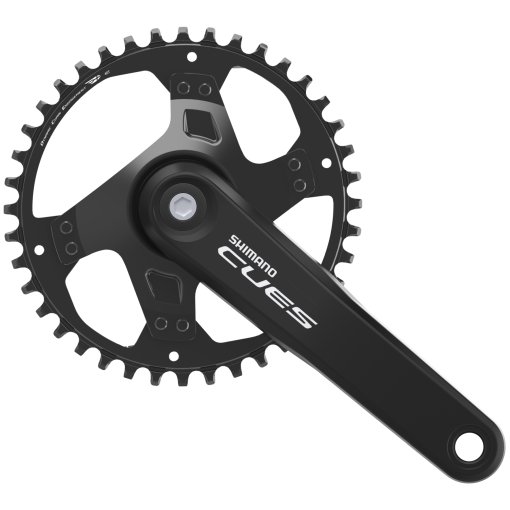
Single cranks (1x12 or 1x11) are the standard in the MTB segment these days. The great advantage of 1-speed mountain bike cranksets lies in their simplicity:
- no front derailleur,
- less weight
- better reliability
Thanks to wide cassette ranges (e.g. 10-51T for Shimano or 10-52T for SRAM), 1X MTB drivetrains achieve the same range as older 3-speed systems. And when it comes to chain guidance, the narrow-wide tooth profile comes into play. So if you go for a 1-speed MTB crank, you can be sure that the chain will stay securely in place even when you're aggressively shredding the trails.
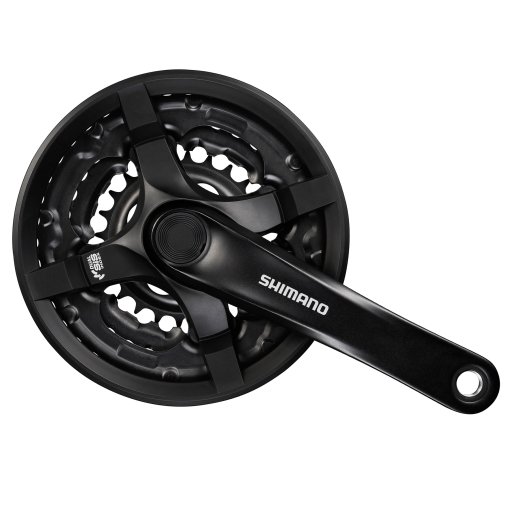
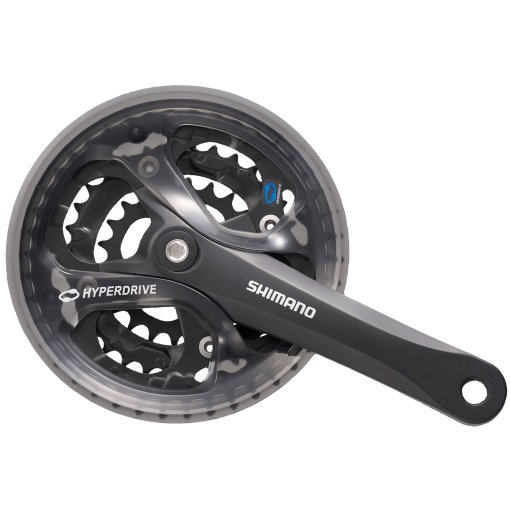
Double-speed mountain bike cranksets are an interesting option for high mountain terrain. In combination with the wide-range cassettes, they achieve an even greater gear ratio, but they weigh more and are more complex to shift.
Number of Teeth and Crankarm Length
When you buy a MTB crank in our online shop, you can often choose the chainring size and crankarm length. The chainring size affects the gear ratio: a larger chainring (e.g. 34T, 36T) allows for higher speeds on fast sections, while a smaller chainring (e.g. 30T, 32T) allows for easier gear ratios for steep climbs.
The choice of crank arm length depends on your inner leg length and riding style: shorter cranks (165-170 mm) improve ground clearance in rough terrain and reduce knee strain, while longer cranks (175 mm) provide more leverage and efficiency on long climbs.
The following overview of body size and suitable MTB pedal crank length can be used as a guideline for selection.
- <165 cm → 165 mm crank
- 165-175 cm → 170 mm crank
- 175-185 cm → 175 mm crank
- >185 cm → 175-180 mm crank
Choosing Mountain Bike Cranksets According to Dimensions
When buying a new MTB crank, it is crucial that it has the right dimensions. In this context, the bearing standard, the chainring mount, the chain line and the Q-factor are important.
Bearing standard – Important for frame compatibility
The crank must fit into your frame with the appropriate bearings. So before you buy, check the type of bottom bracket and the width of the bottom bracket shell of your frame. The following types of bottom bracket are currently common:
- BSA (thread): the bearings are screwed into threads in the frame, the housing width is usually 68 mm or 73 mm.
- Pressfit: the bearings are pressed into the frame, e.g. PF92.
- BB30/BB86/BB92: press-fit variants with larger axle diameters and different housing widths.
To make sure that your new dream crankset also fits your machine, you also have to pay attention to the mtb crankshaft when buying. This must match either the existing or the new bearing. Shimano and many other manufacturers currently mostly use 24 mm, SRAM uses 28.99 mm (DUB) and 30 mm is also very common.
Chainring Mount – A Question of Fastening
Most modern MTB pedal cranks feature a direct-mount chainring mount. This allows for easy replacement of the chainrings. Some cranks with a classic four-bolt mount are still available.
Chain Line – Distance Between Chainring and Center of Frame
The chain line describes the distance between the chainring and the center of the frame. The specification in our product description should match the specifications of your frame:
- 52 mm: Standard for Boost rear triangles (148 mm over lock nut distance).
- 55 mm: Super Boost for wider rear triangles (157 mm over lock nut distance).
- 49 mm: For older frames without Boost (142 mm over lock nut distance).
Manufacturer Combinations – Making It a Perfect Match
In principle, it is advisable to buy the crank to match the group manufacturer. However, there are specific crank suppliers, especially in the tuning sector. The reason for this is that the crank drive and bottom bracket do not necessarily have to come from the same manufacturer. What is important is that the axle diameter of the mountain bike crank matches the bottom bracket specification (e.g. 24 mm for Shimano or 28.99 mm for SRAM DUB). We also advise you to make sure that the chainring you use is compatible with the number of speeds on your chain.
MTB Crank Made of Carbon or Aluminium
Our decision table will help you choose the right material for your intended use.
| MTB Crankset– Aluminium | MTB Crankset – Carbon | |
| Weight | Heavier (approx. 100-200 g more than aluminium) | Very light – ideal for race setups |
| Stiffness | Slightly more flexible, can absorb energy | Extremely stiff – optimal power transmission |
| Impact Resistance | Very robust, withstands hard knocks | More sensitive to stone chips and impacts |
| Damping & Comfort | Reacts to vibrations rather bluntly | Can reduce fine vibrations for more comfort |
| Price | from approx. €60 (1X with chainring) | from approx. €200 (1X with chainring) |
Choose aluminium if you are looking for a affordable and particularly robust crank for trail or enduro use. Choose a carbon MTB crank if you want maximum performance and low weight for XC, marathons and other racing competitions.
How to Find the Right MTB Crank
If you want to buy a new crankset, you have to pay attention to the dimensions. Before you order, check which bottom bracket type your frame is compatible with and make sure that the bearing and crank axle match (e.g. 24 mm or DUB). Also, choose the right chain line for your rear triangle (Boost, Super Boost, Standard). And last but not least, use components that are as standardized as possible for the best compatibility and performance on your rig.
A final tip: you will need the appropriate tools to assemble the crank, bearings and chainrings, depending on the manufacturer. We also support you with our fast delivery, so that your mountain bike is ready for important missions at short notice.