Bike Hubs - The Linchpin of Every Wheelset
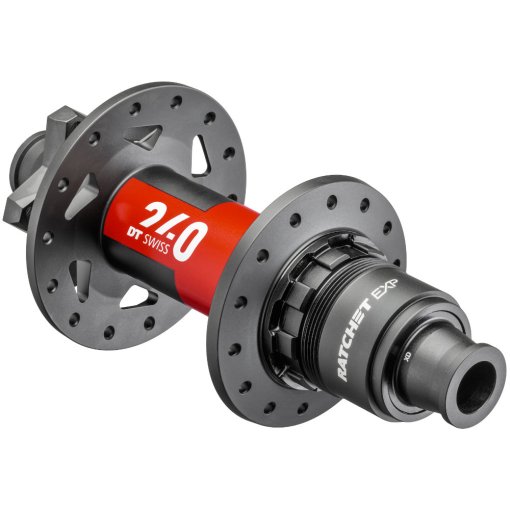
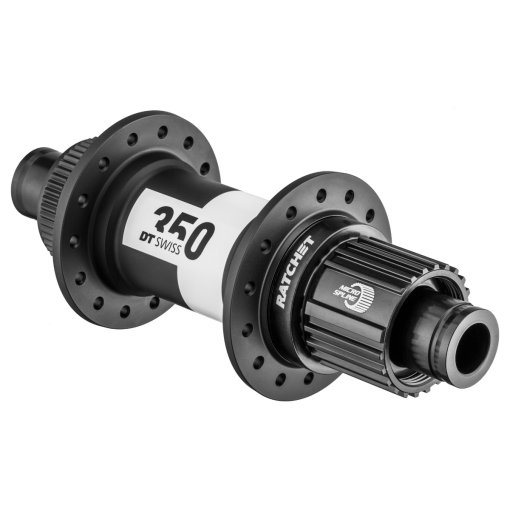
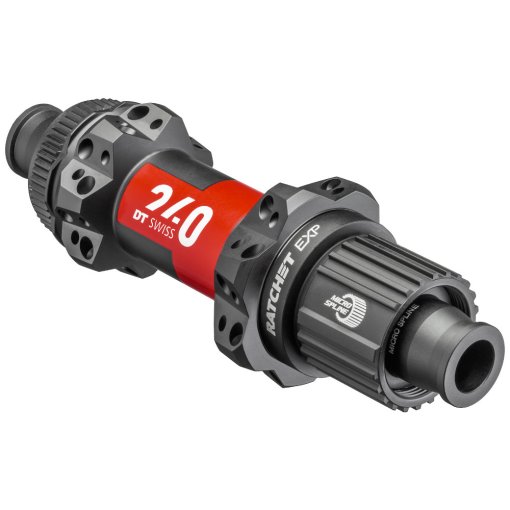
If there is one point on the bike that is always in motion, it is the hubs. As an important link between the frame, spokes, rims and tires, they transfer your power to the road or trail. They also influence their behavior when accelerating, braking and cornering. When buying new bike hubs, it's not just about quality, but also about factors such as axle standard, brake system, etc. Find out everything you need to know to buy a bike hub with our help.
Why Are Good Hubs Important on a Bike?
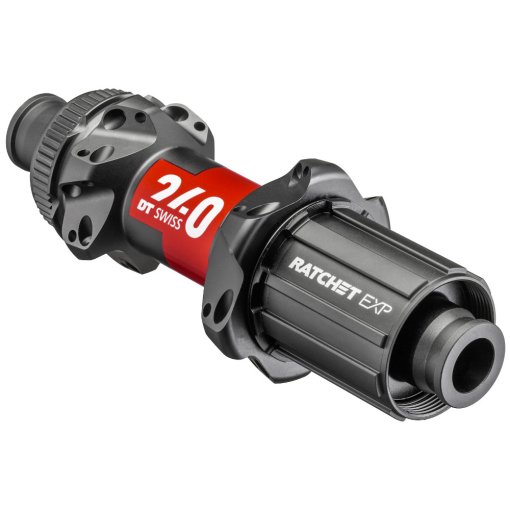
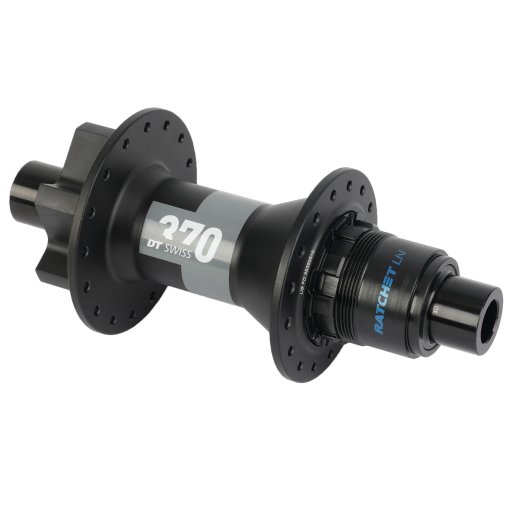
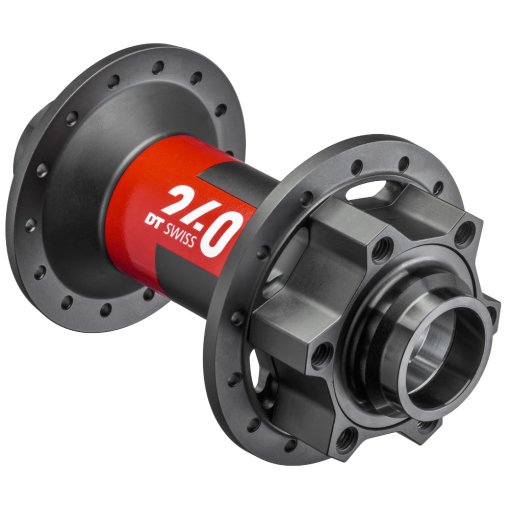
From the outside, bicycle hubs are nothing more than the axle beams of the wheels. A detailed look at this seemingly inconspicuous component shows how crucial it is for the function of a bicycle. Whether front wheel or rear wheel - hubs are the link between the frame and the wheels of your bike. This means they have many more tasks than just enabling the wheels to turn.
A high-quality hub improves the acceleration behavior of a wheel. It provides more stability when cornering and braking. And it has a decisive influence on how well a wheel rolls. It is no coincidence that many mechanics consider the hub to be the heart of a bicycle wheel.
How Does a Bicycle Hub Work?
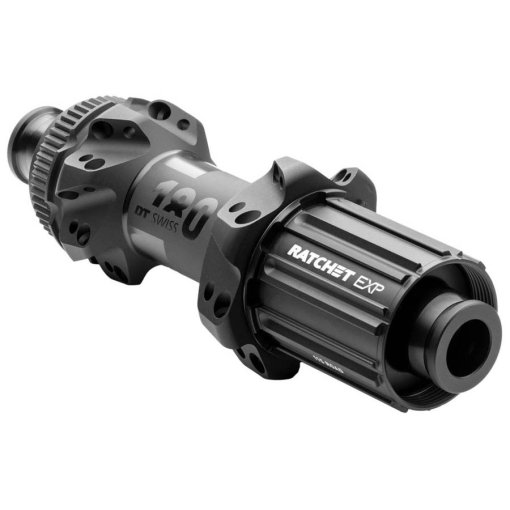
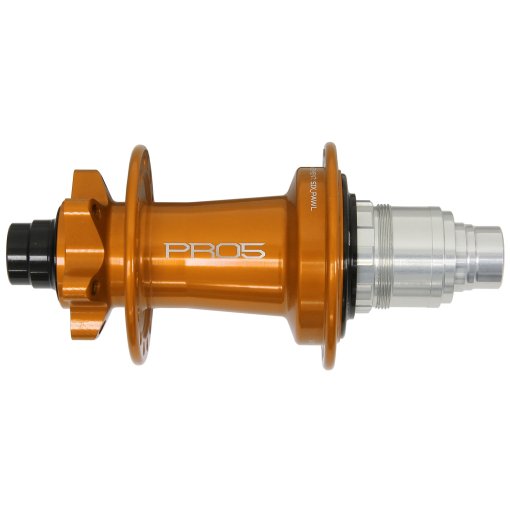
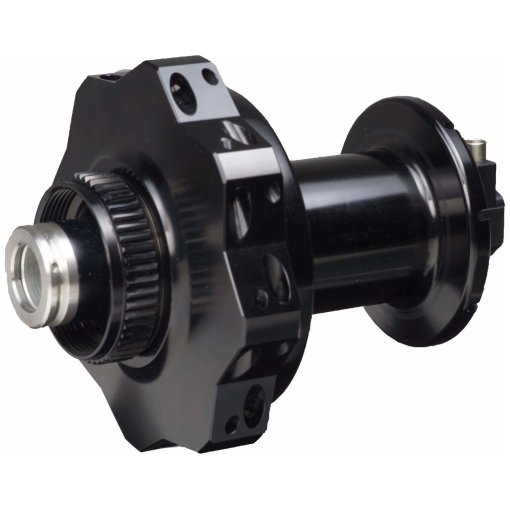
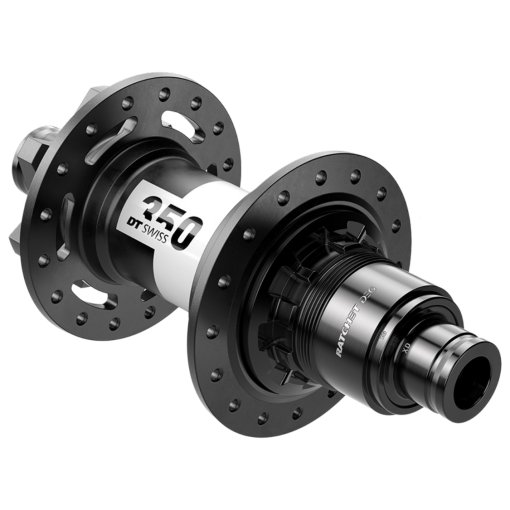
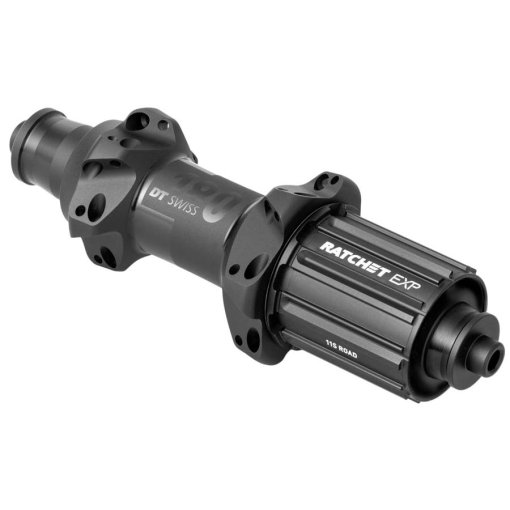
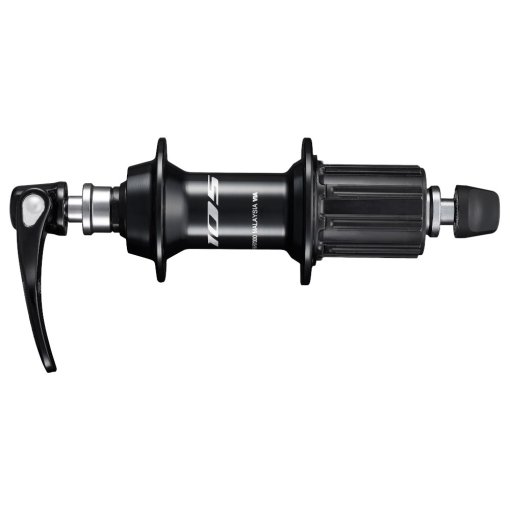
A typical bicycle hub consists of a central hub body that contains the bearings and the axle. The axle is fixed and provides the attachment points for the wheel to the bicycle frame. Rear hubs also have a freewheel mechanism that allows the wheel to rotate independently of the pedal movements.
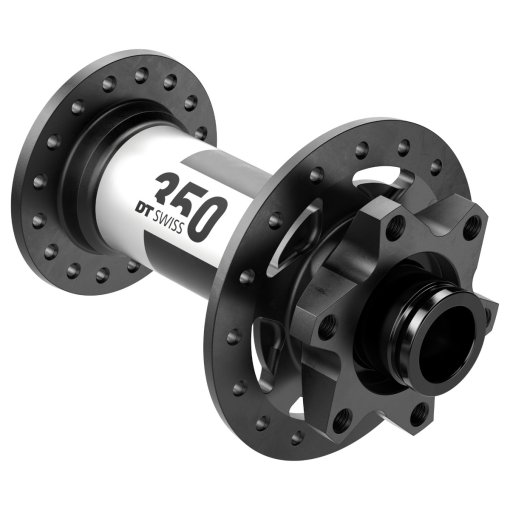
Holes are made in the body. These spoke holes are used to attach the spokes, which in turn connect the rims to the hubs. Gaskets and end caps protect the bearings from dirt, moisture and other environmental influences.
What Different Bike Wheel Hubs Are There?
There are numerous variables in the manufacturing process that have a major influence on their properties. In fact, the spectrum is wide and ranges from specific road bike hubs to MTB hubs and BMX hubs. A basic distinction is made between front and rear hubs. In detail, the variants differ in terms of the axle standard or over lock nut distance, the brake system, the freewheel on rear hubs, the bearings and the number of spoke holes. The following list explains the different terms and their meaning.
- Axle standard: The diameter of the axle is given in mm. An example is thru axles on MTB with 15 mm on the front wheel and 12 mm on the rear wheel.
- Over lock nut distance: The over lock nut distance refers to the distance between the two mounting points of the hub in the frame or fork. Typical dimensions are, for example, 100 mm for front wheels and 135 mm or 142 mm for rear wheels.
- Brake system: Bicycle hubs are designed for either rim brakes or disc brakes.
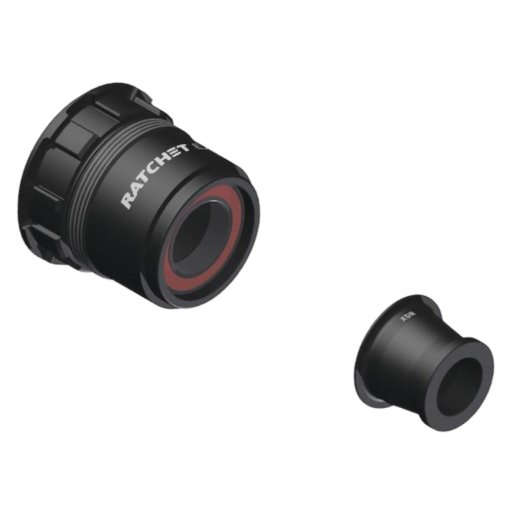
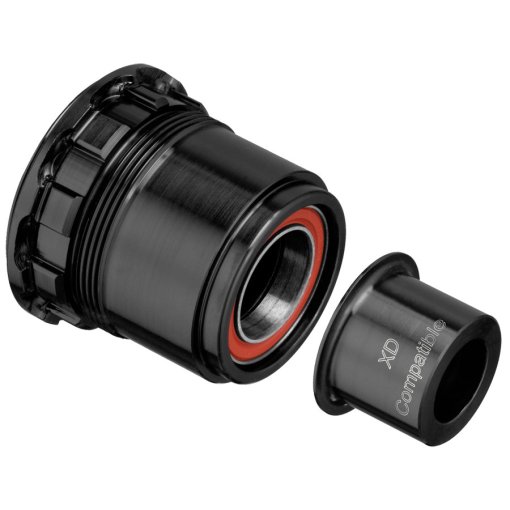
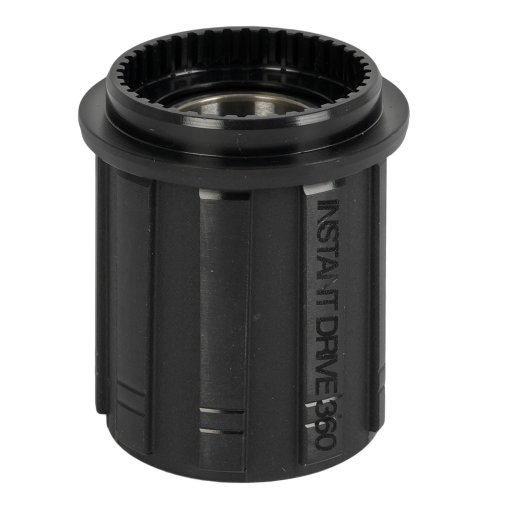
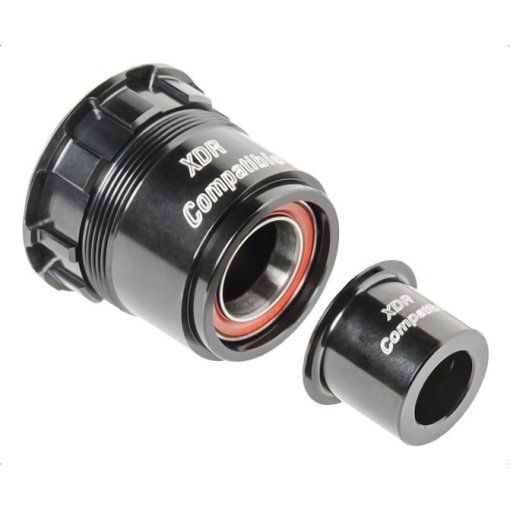
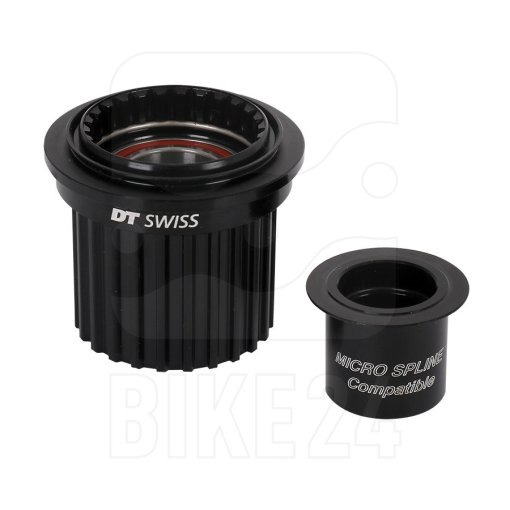
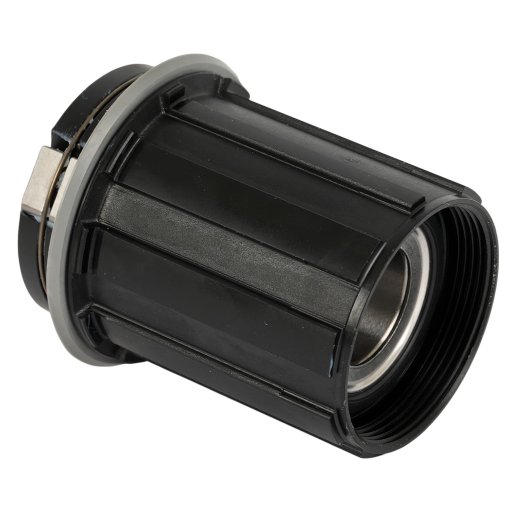
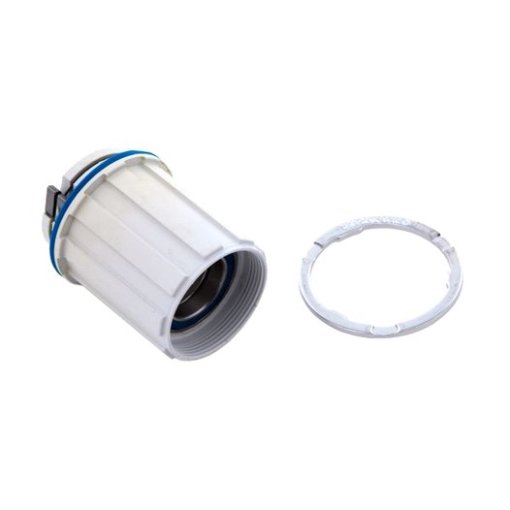
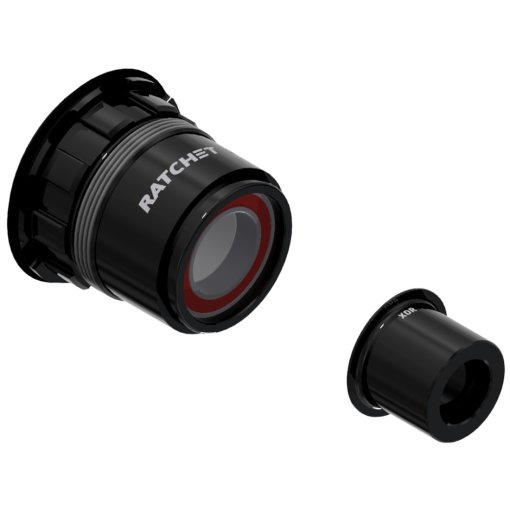
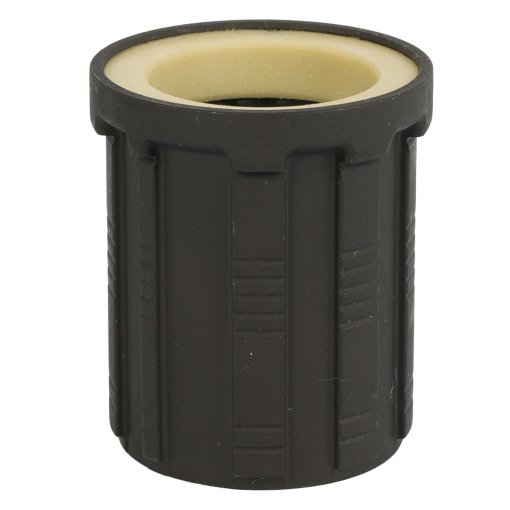
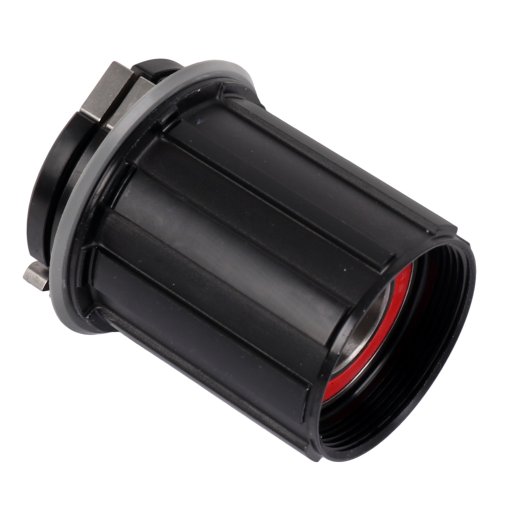
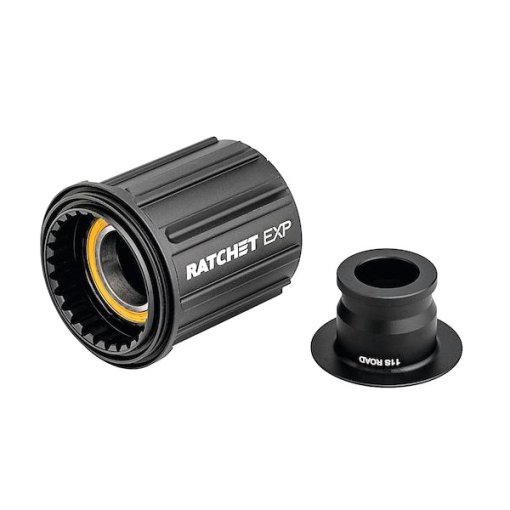
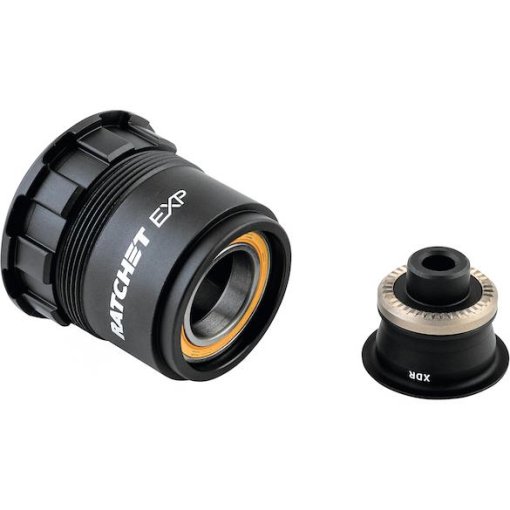
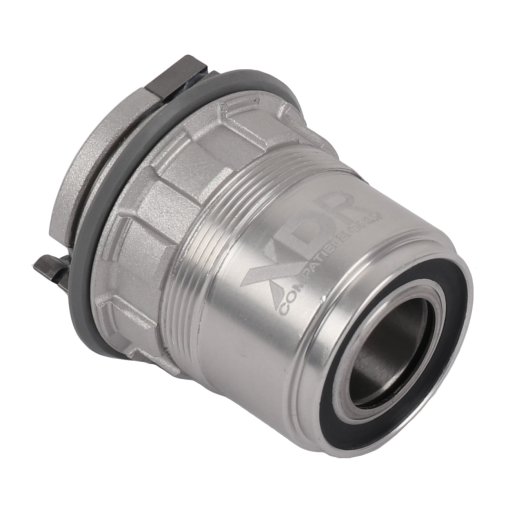
- Freewheel: The freewheel mechanism allows the wheel to turn without having to move the pedals. The two most important systems are pawls freewheels and toothed disk freewheels. It is important that the freewheel is compatible with the groupset, e.g. 8 to 11-speed. Singlespeed hubs are also available.
- Bearings: Hubs can be equipped with adjustable ball bearings (also known as conical bearings) or industrial bearings. Industrial bearings generally require less maintenance.
- Spoke holes: The number of spoke holes. More spoke holes usually mean more spokes and therefore greater wheel stability.
Current Hub Dimensions on Mountain Bikes
Current Hub Dimensions on Road Bikes
The following table gives you a better overview of typical hub dimensions (axle diameter x over lock nut distance in mm) on road bikes.
| Hub dimensions | Front hub | Rear hub |
| 9x100 QR | ✓ | |
| 12x100 | ✓ | |
| 15x100 | ✓ | |
| 10x130 QR | ✓ | |
| 10x135 QR | ✓ | |
| 12x135 | ✓ | |
| 12x142 | ✓ |
The Hub Dynamo
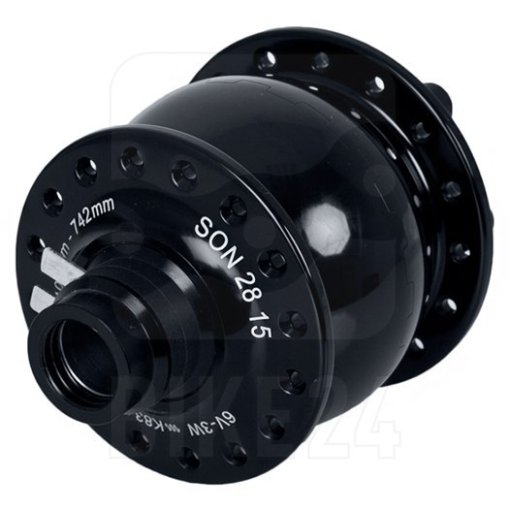
In addition to classic models, there are also bicycle hubs with hub dynamo. They have a built-in dynamo. The advantage: you can generate electricity for bicycle lights and other electrical devices while riding. They are particularly popular with touring cyclists who want to be self-sufficient on the road. You can find more information on our category page for hub dynamos.
The Gear Hub
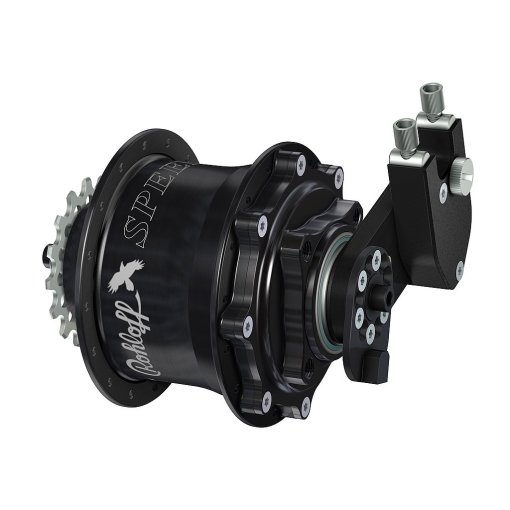
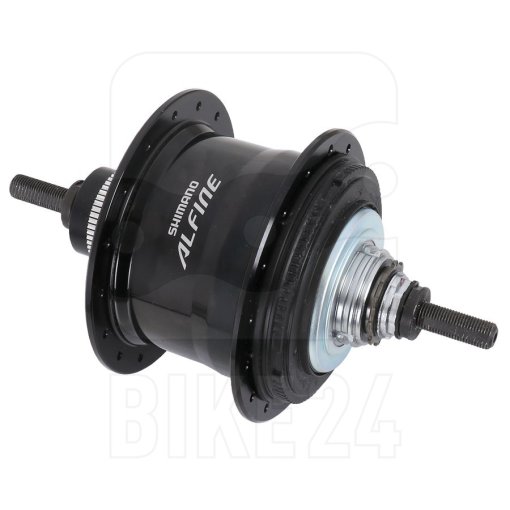
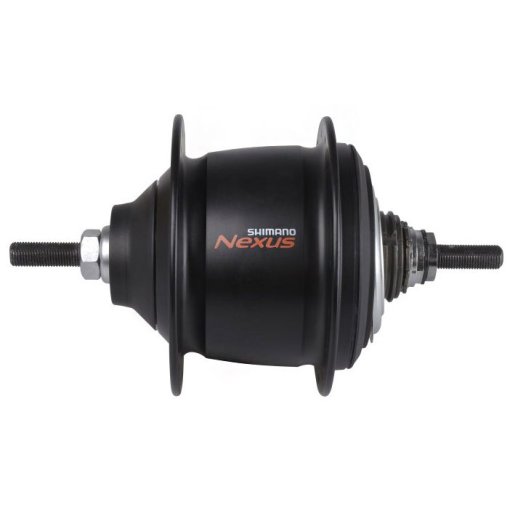
Another special hub variant is the gear hub. In contrast to derailleur gears, where the gears are changed by shifting the chain, gears are changed internally in a gear hub. This has several advantages - such as low maintenance, reliability and aesthetics. As the moving parts of the gearbox are enclosed, they are protected from environmental influences such as dirt and water. At the same time, bikes with a gear hub do not need an external rear derailleur and can be ridden with a drive belt. This results in a tidy appearance of the respective bike.
Buying Advice - Which Hub Is Right for You
As you can see, buying a new hub may seem complex at first glance. But with the right knowledge, it's not that difficult to find the right model for your needs. The following step-by-step guide should provide you with additional help when buying.
- Area of use: As with many bicycle components, this is the first point. For example, if you are looking for a hub for your trekking bike, you need stability on the rear wheel due to the weight of the panniers. On a road bike, on the other hand, it should be lighter.
- Compatibility: Make sure that the hub is compatible with your bike frame, shifting and braking system. Sizes such as axle standard, over lock nut distance and type of brake (disc vs rim brake) are crucial here.
- Material: Hubs can be made of aluminium, stainless steel, plastic, steel or titanium - with the individual advantages and disadvantages of each material.
- Individual needs: Consider your personal riding style and specific needs. This could be the need for a hub dynamo or a gear hub, for example.
- Quality: The use of high-quality bike parts is recommended for long-lasting functionality. This is particularly noticeable when it comes to layers, where quality is crucial.
The Durability Question
One question that is often asked is how long a hub will last. This depends on various factors. These include material quality, maintenance and external influences. Brands such as DT Swiss, Mavic, Shimano and Novatec offer hubs that are known for their robustness and durability. However, regular maintenance and proper care can significantly extend their service life.
Buy Bicycle Hubs Online
Have you decided on a new bike hub? We have the right tools for you so that you can install them quickly. And of course we also have a large selection of bicycle rims, spokes and nipples, freehub bodies and adapters as well as quick releases and thru axles for your wheel repair.
Instead of searching through several online shops, you can conveniently order everything you need for hubs and wheels in one place. This saves time, money and protects the environment. So, what are you waiting for? Optimize the performance of your bike so that you can soon roll even better on the road and trail.