

Disc brake rubbing
If your bike disc brakes are rubbing or making a grinding noise, you’re not alone. This is one of the most common issues on bikes with disc brakes. This guide covers the five most common causes and what you can do to fix them.

How to prepare for a disc brake check
Mount your bike in a repair stand if possible. This allows you to work at a comfortable height and lets the wheels spin freely. If you don’t have a stand, lean the bike against a wall with the drivetrain side facing the wall. This gives you clear access to the disc brake on the opposite side.

CAUSE
Misaligned brake caliper
If there isn’t an even gap between the brake pads and the brake rotor when you spin the wheel, the caliper is likely not centered. To see the gap more clearly, hold a white sheet of paper behind the brake or shine a small light into the caliper from below.
Fix: Most calipers can be centered easily. Loosen the two mounting bolts slightly, pull the brake lever to center the caliper, and tighten the bolts while holding the lever. You may need to repeat the process. Look down into the caliper to check that the gap between the pads and the brake disc is even on both sides.
For detailed instructions, see our guide on how to adjust disc brakes.

CAUSE
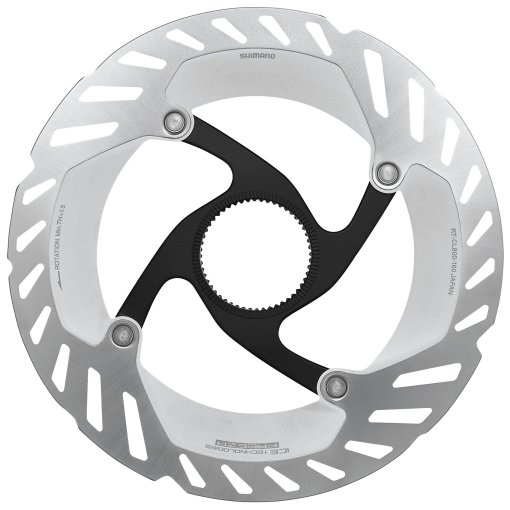
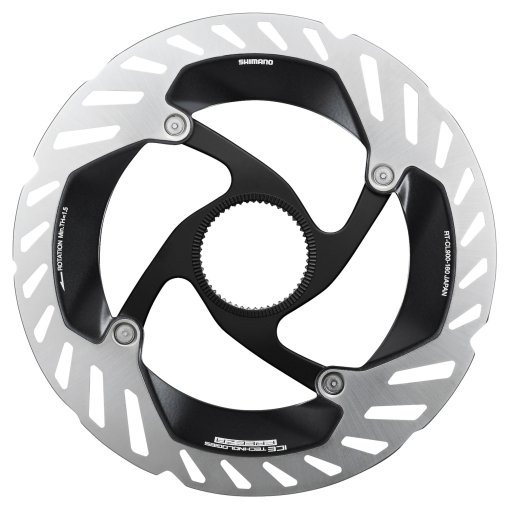
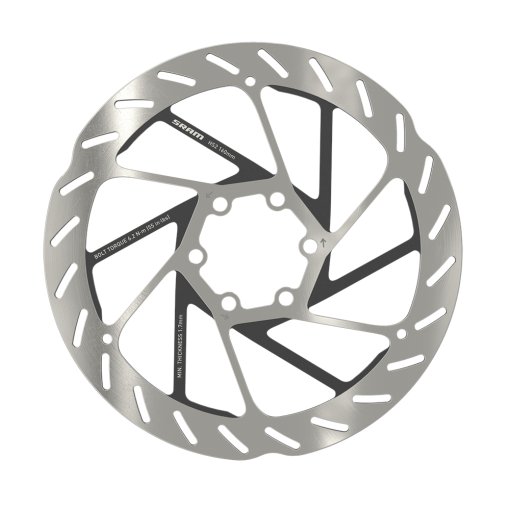
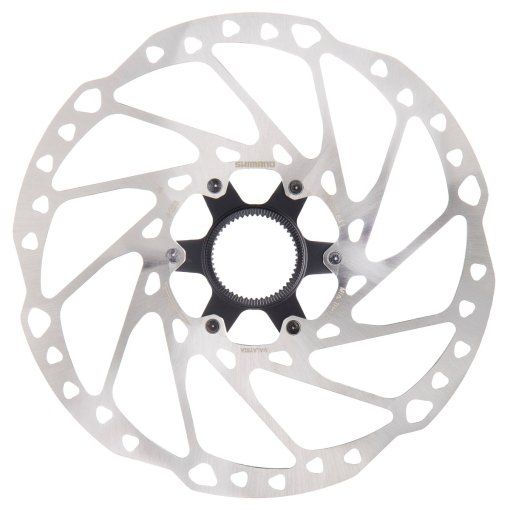
Bent brake rotor
Spin the wheel and watch the brake rotor from above. If it moves side to side between the brake pads, it’s likely bent.
Fix: In some cases, heavy braking on a long descent can help correct minor distortion caused by heat. Otherwise, use a rotor truing tool to carefully straighten the bent area. Work slowly and apply small, controlled adjustments.

CAUSE
Brake piston extended too far
If you hear constant grinding even when you’re not braking, one of the brake pistons may be sitting too close to the brake rotor.
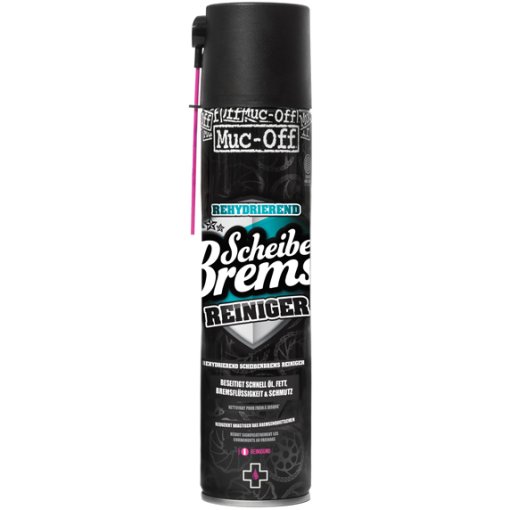
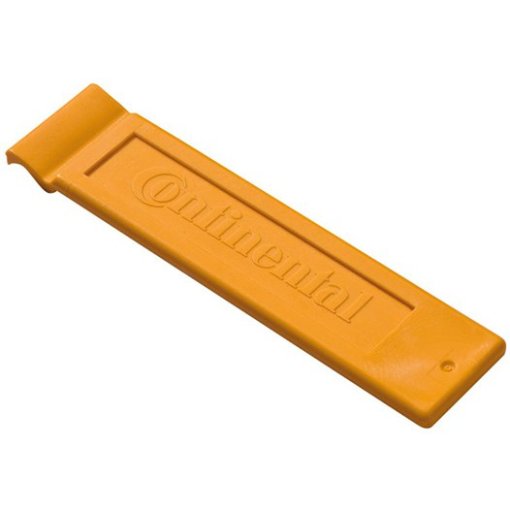
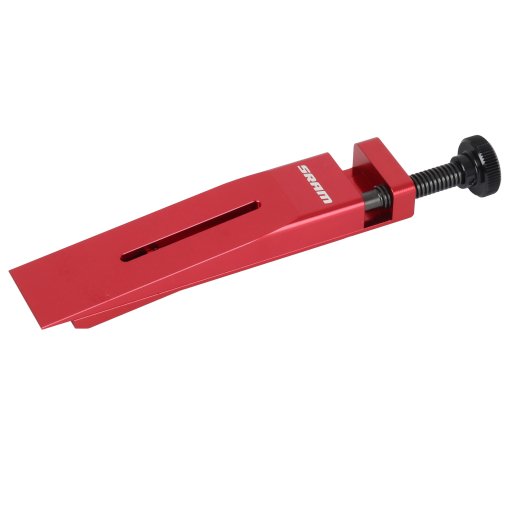
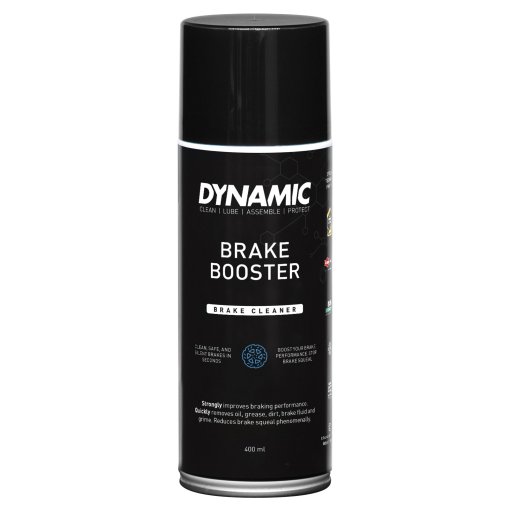
Fix: Remove the brake pads and clean the brake caliper using water or a suitable brake cleaner. If necessary, carefully pump the brake lever to move the piston out slightly, around 1–2 mm. Apply a small amount of brake fluid to the sides of the piston to help it move freely. Then use a piston reset tool or a flat tire lever to press the pistons back evenly into the caliper.

CAUSE
Wheel not seated correctly
Sometimes the rubbing isn’t caused by the brake at all. On bikes with quick releases, the wheel can sit slightly crooked if the axle isn’t fully seated in the dropouts.
Fix: Open the quick release and make sure the wheel is properly seated in the dropouts. Then close the quick release securely and check if the rubbing has stopped.

CAUSE
Worn brake pads
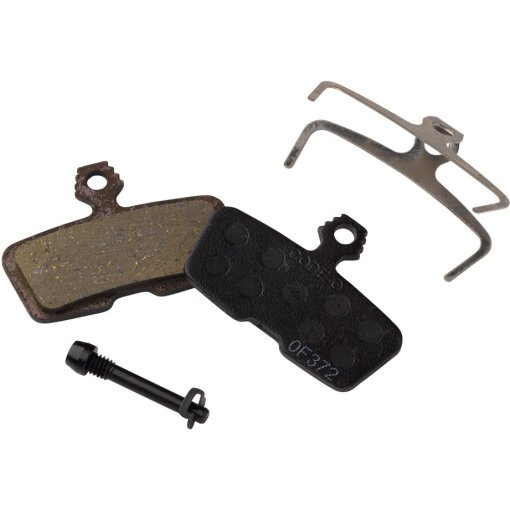
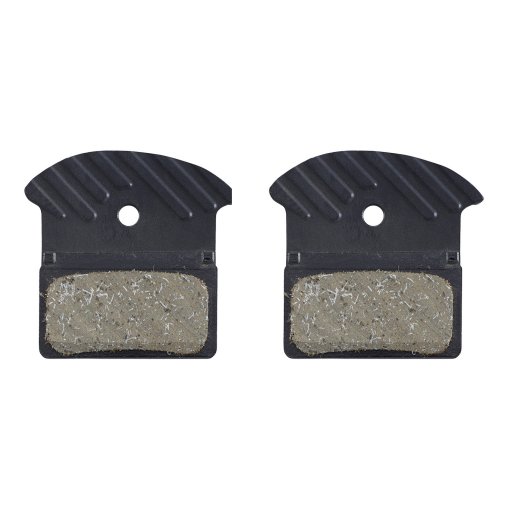
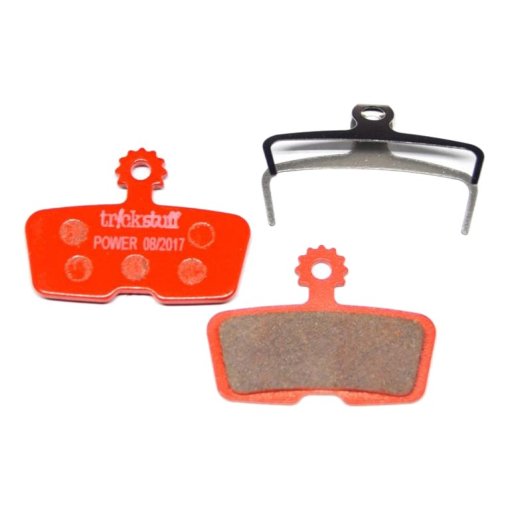
Worn or uneven pads are one of the most common causes of bike brake pads rubbing or making grinding noises. If you hear a dull scraping sound or a metallic squeal when braking, the pads may be worn out.
Fix: Remove the wheel and inspect the brake pads from above. You’ll see the pads attached to the backing plate inside the caliper. If the pad material is less than 1 mm thick, it’s time to replace the brake pads. After installing new pads, make sure to bed in your disc brakes properly.

FAQs about disc brake rubbing

Need help with your next project?
Get in touch with our customer service team. Our experienced cyclists are happy to help.


Want to stay up to date?
Be the first to hear about great deals, news, and trends – delivered straight to your inbox.