

Fix squeaky disc brakes
Disc brake squeaking is common. Here’s how to fix squeaky disc brakes and stop the noise.

Troubleshooting squeaky disc brakes
Disc brake squeaking can quickly ruin a ride. The cause is usually easy to identify. Here are five common causes and how to fix them.

CAUSE
Dirty rotor or brake pads
Contamination is the most common cause of squeaky disc brakes. Dirt from the road or trail, chain lube, grease, or other residues can collect on the rotor, caliper, or brake pads. Brake pads are especially prone to picking up dirt and oil.
Solution: Clean the rotor and caliper with brake cleaner or warm water and dish soap. If the brake pads are contaminated, replace them. You can try lightly sanding the top layer of the pad in circular motions with fine sandpaper, but replacing the pads is usually the more reliable fix.

CAUSE
Moisture
Moisture can cause disc brakes to squeal. This often happens in the rain or after washing your bike.
Solution: If the noise only occurs when wet, apply the brakes firmly a few times to dry the system. If it continues to be an issue, switching from sintered metal pads to quieter organic pads can reduce noise. Sintered pads generally offer better braking performance in harsh conditions.

CAUSE
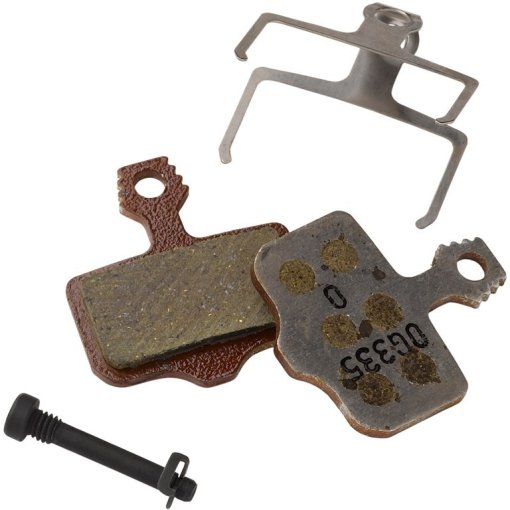
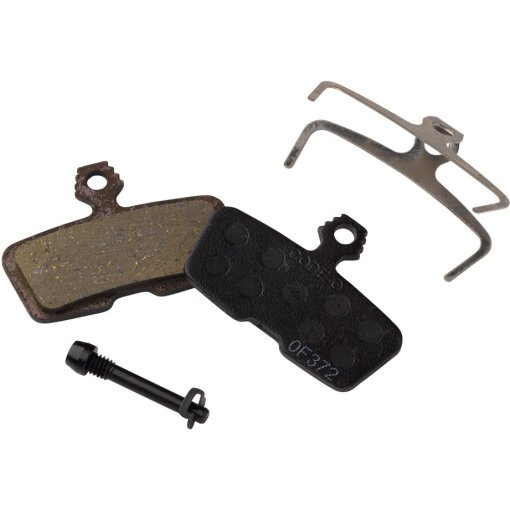
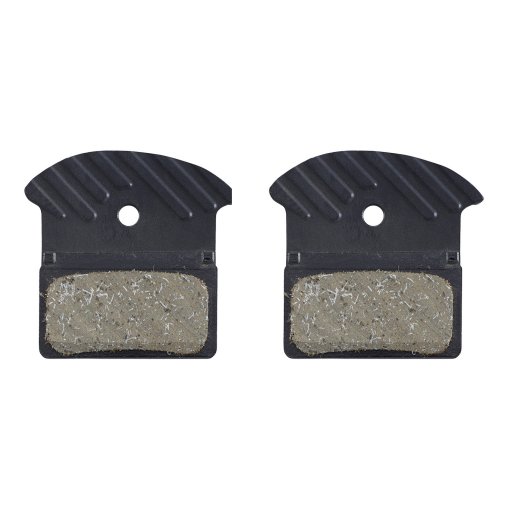
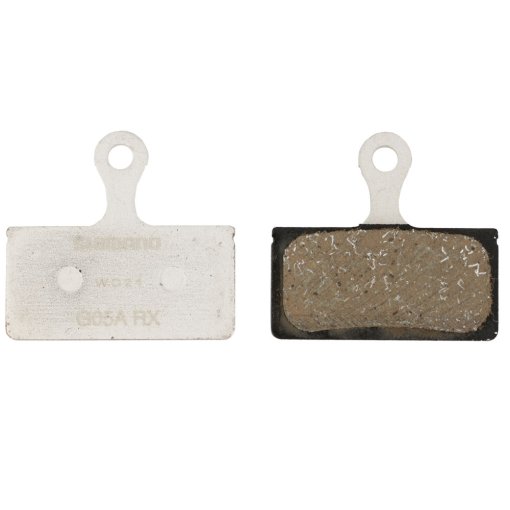
Worn brake pads
A whining or squealing disc brake can indicate worn pads. The pad material should be at least 1 mm thick.
Solution: Replace worn pads with new ones. See our guide on replacing brake pads for step-by-step instructions.

CAUSE
Glazed brake pads
Long descents and constant braking can cause brake pads to glaze. This often happens when you drag the brakes instead of braking firmly and releasing. Glazed pads reduce braking performance and can cause squealing. You can identify them by their shiny surface.
Solution: If there's enough pad material left, lightly sand the surface in circular motions with fine sandpaper. If the pads are worn, replace them.

CAUSE
Rotor and pad compatibility issues
Not all rotors and brake pads work well together. Mixing third-party components can sometimes lead to squeaking.
Solution: Check the rotor manufacturer’s compatibility recommendations before choosing brake pads. Using rotors and brake pads from the same manufacturer is usually the safest option.
How to prevent disc brake squeaking
Here are three practical tips to reduce the risk of noise.
- Bed in the disc brake: Always bed in new rotors and brake pads before riding hard. Proper bedding-in ensures consistent braking performance and helps prevent noise.
- Avoid oil contamination: Keep oil, grease, and chain lube away from the rotor and brake pads during maintenance.
- Perform regular checks: Inspect your brake system regularly and adjust the disc brake if needed. Routine maintenance helps catch issues early and prevent noise.



Need help with your next project?
Get in touch with our customer service team. Our experienced cyclists are happy to help.


Want to stay up to date?
Be the first to hear about great deals, news, and trends – delivered straight to your inbox.