

Bedding in disc brakes
Bought a new bike, installed new brake pads, or replaced a rotor? Bed in your disc brakes before your next ride. Proper bedding-in ensures full braking power, reduces noise, and promotes even pad wear from the start.

Why bedding in disc brakes matters
Most new bikes and e-bikes come equipped with disc brakes: MTB, touring or road. After installing new brake pads or a new rotor, the braking surfaces must develop an even contact layer. New pads and rotors have microscopic surface irregularities. Bedding in creates a consistent transfer layer between them. This improves braking performance, reduces vibration, and helps prevent squealing noises.
Step-by-step guide
What you'll need:
- Clean brake rotors
- Brake cleaner and a lint-free cloth
- A properly aligned disc brake system
- Repair stand for setup (optional)
Got everything ready? Let's get started!

STEP 1
Inspect rotors and pads
Check that your brake discs and brake pads are in perfect condition. Make sure that the brake pads are installed correctly and that they show no signs of damage or wear. The rotors should also be free of dirt, oil or any other residue. If necessary, clean the brake rotors with brake cleaner and a clean cloth.

STEP 2
Bed in the brakes
Ride on a safe, traffic-free road. Accelerate to around 30 km/h, then brake firmly without coming to a complete stop. Repeat this process about 15 times. Start with the rear brake to get a feel for the response, then repeat with the front brake. Avoid locking the wheels during this process.

STEP 3
Apply additional heat cycles for resin pads
If you’re using organic (resin) brake pads, perform several harder braking cycles after the initial bedding-in. Repeat the braking process until slight fading occurs. This allows volatile compounds in the pad material to burn off (outgassing). It helps prevent glazing and ensures consistent braking performance. This step is not necessary for metallic brake pads.

Organic vs. metallic pads
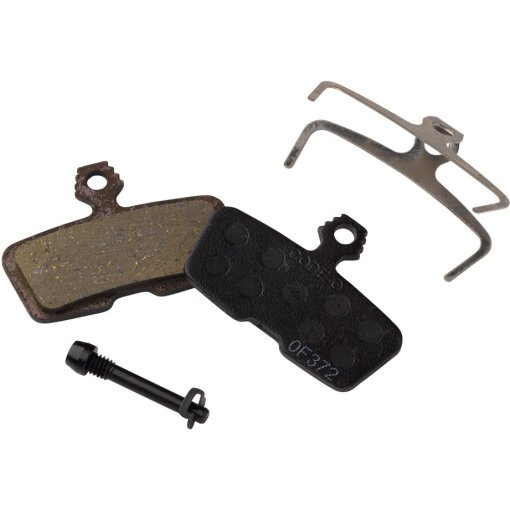
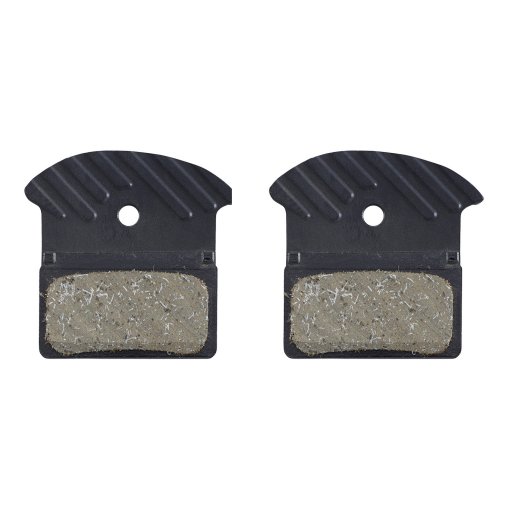
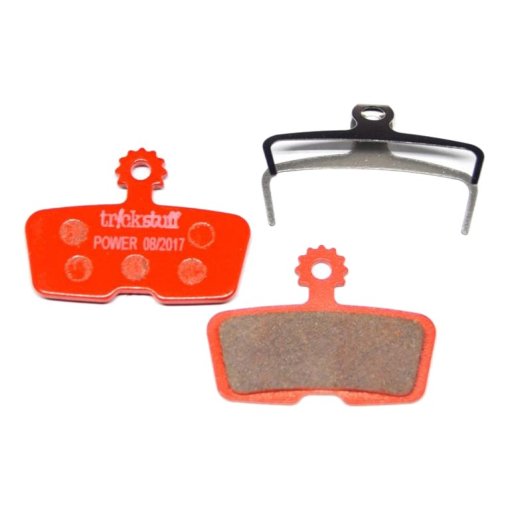
Organic brake pads consist of composite materials. They offer quiet braking and good modulation but wear faster. Sintered metallic pads are made from metal particles fused under high pressure and heat. They are more durable and perform better in wet and muddy conditions but can generate more noise and rotor wear. Both types have their advantages. The right choice depends on your riding style and conditions.



Need help with your next project?
Get in touch with our customer service team. Our experienced cyclists are happy to help.


Want to stay up to date?
Be the first to hear about great deals, news, and trends – delivered straight to your inbox.