
Spruce up your bike or take it to the next level – the right components, tools, and regular maintenance keep everything running smoothly. Build your ride and get rolling.
Read more





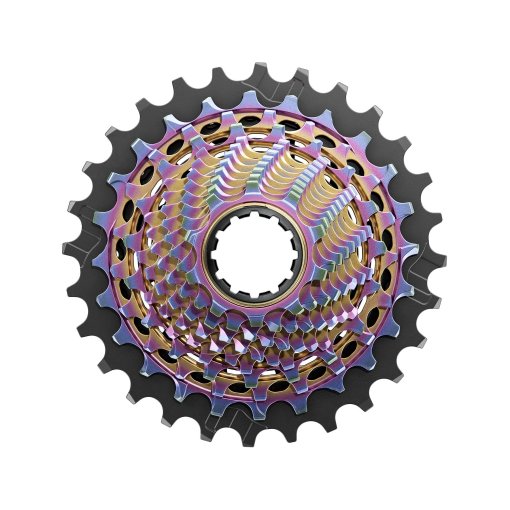
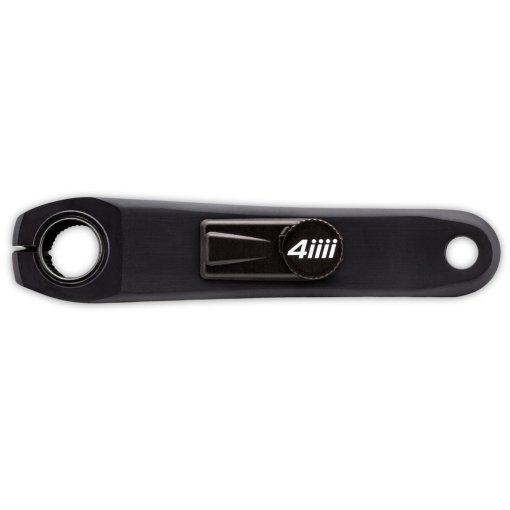
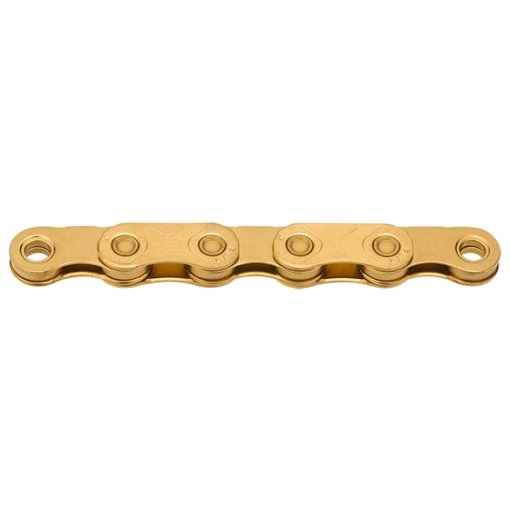
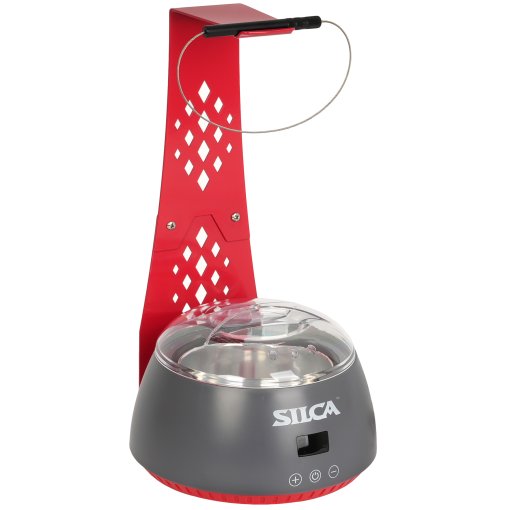

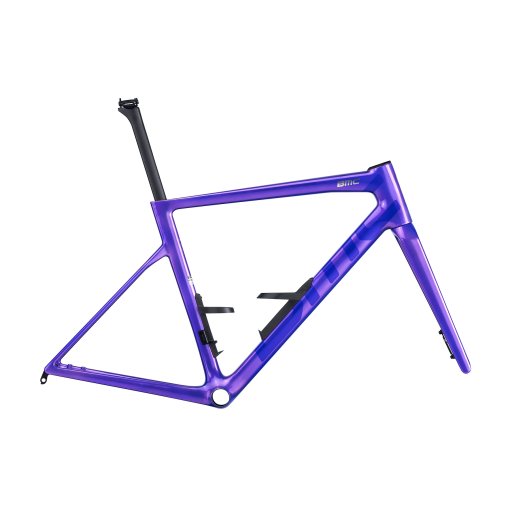
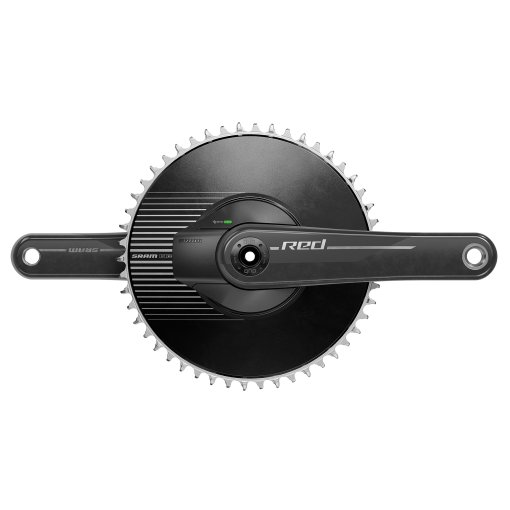
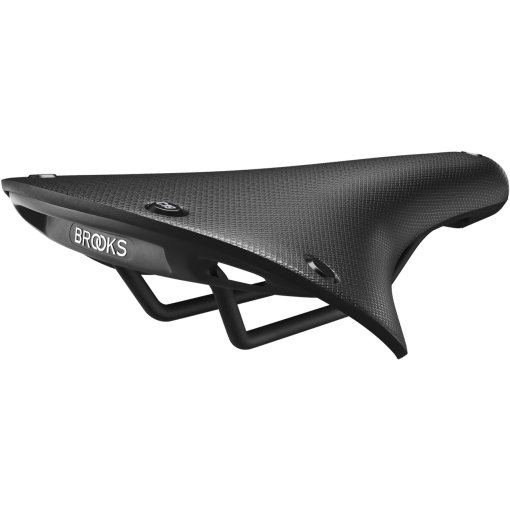
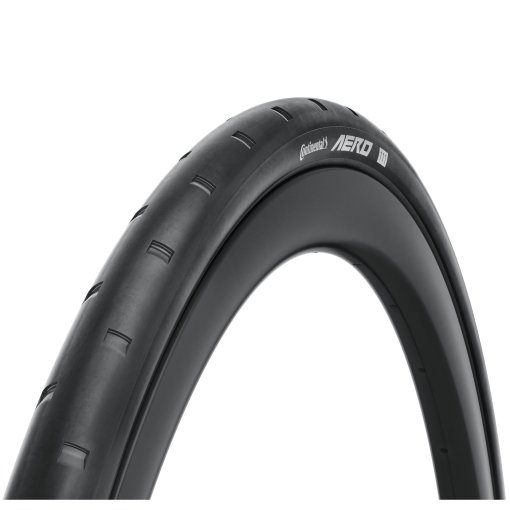
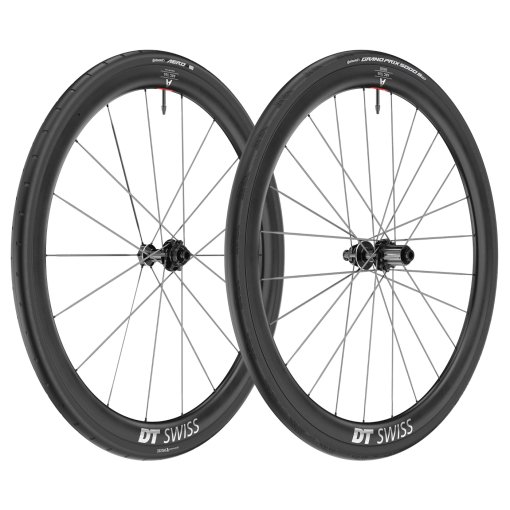

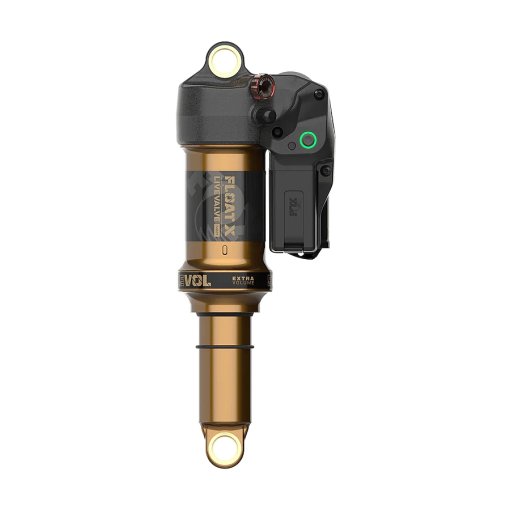

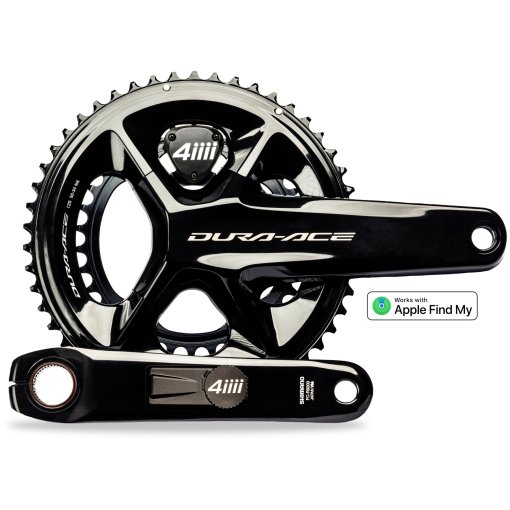
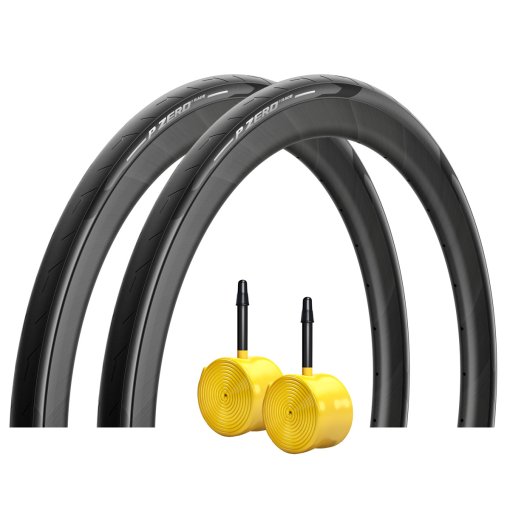

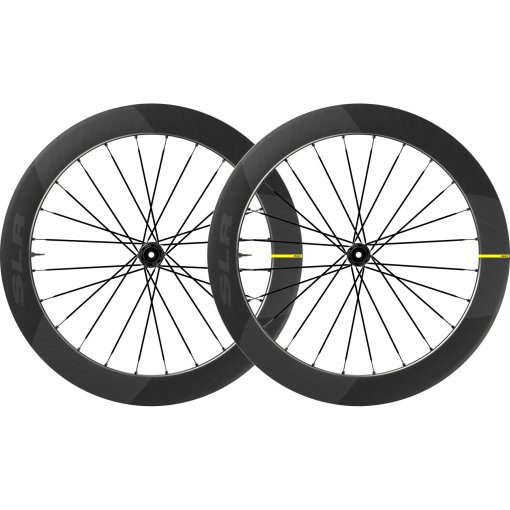
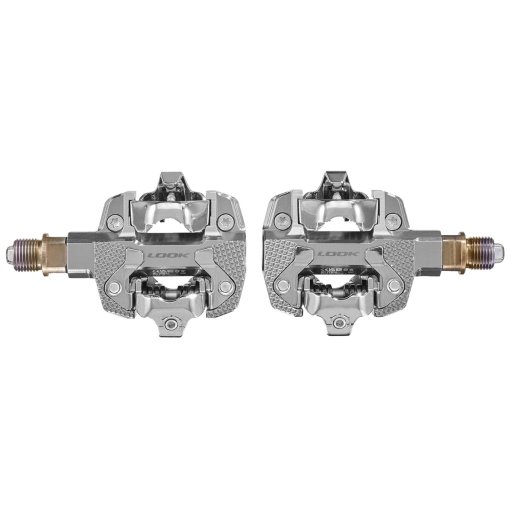
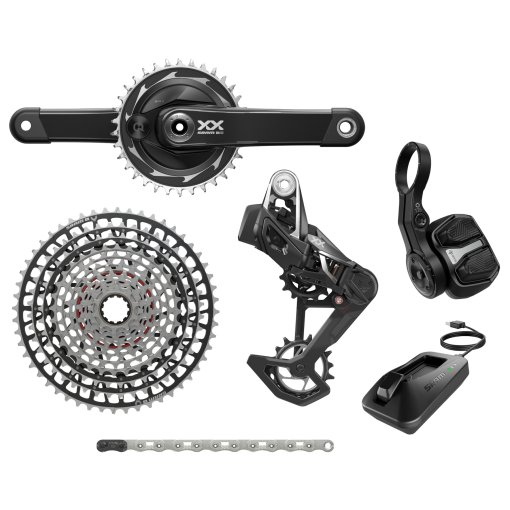

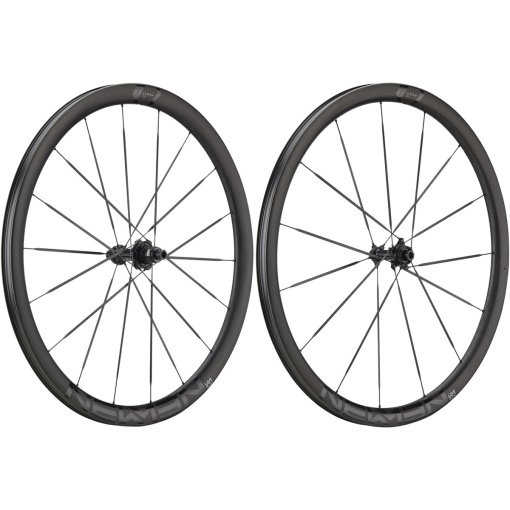
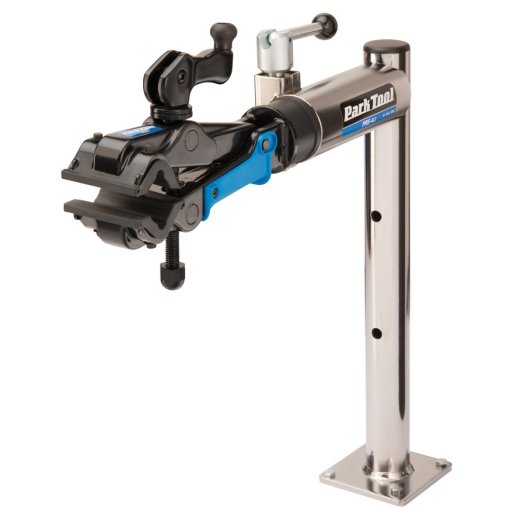
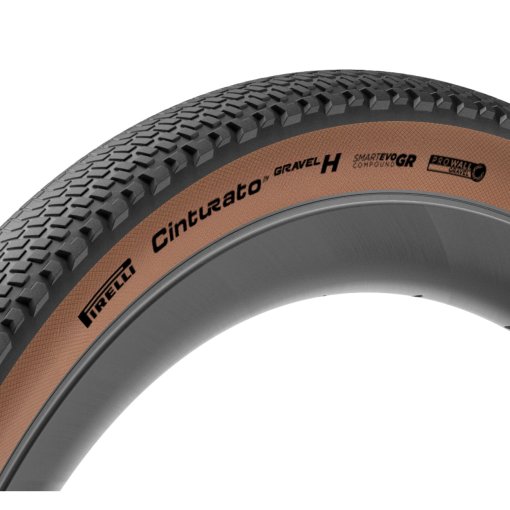
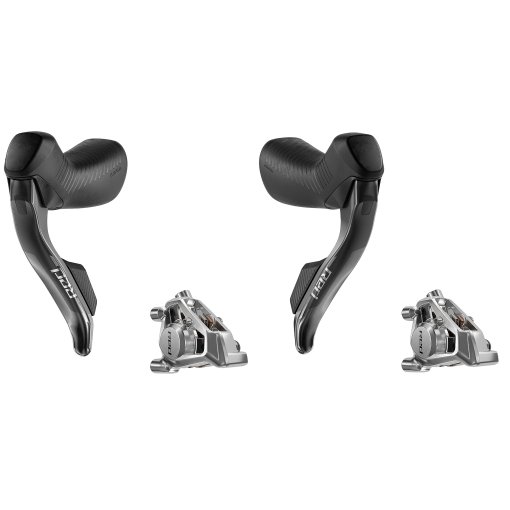
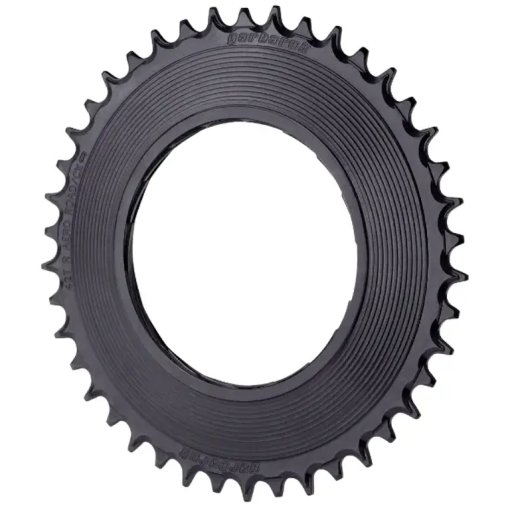

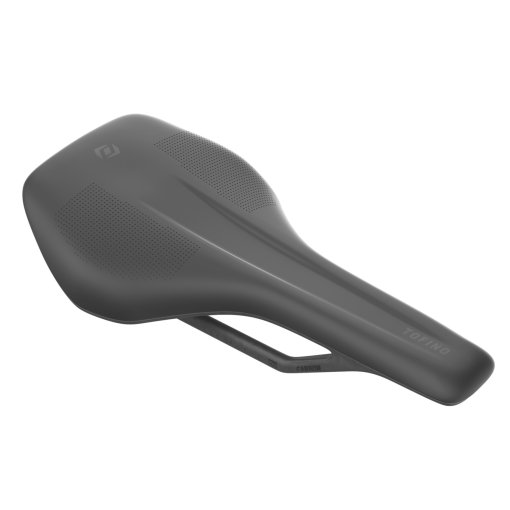
From road and gravel to MTB and e-bike, beginners and pros alike can use the off-season to go lighter and faster. Our hand-picked selection of carbon wheels, cockpit components, suspension forks and rear shocks, drivetrain upgrades, and more helps you shed weight and unlock more performance on the road and on the trail.
Tuning a bike from stock to a truly unique setup
Whether you’re tuning a mountain bike or building a lightweight road bike, materials like machined aluminum, titanium, and, of course, high-grade carbon play a key role. They don’t just get riders excited. They help set new benchmarks in modern cycling.
Used in the right places, these materials let you shed weight on your road bike or MTB and turn more of your effort into forward momentum. But weight savings aren’t the only benefit. Many upgrade parts, especially components and accessories, also improve function by increasing strength or stiffness and delivering more efficient power transfer.
Getting the most out of bike upgrades doesn’t require an engineering degree or a massive budget. What does matter is knowing what you want to achieve. Are you upgrading mainly for looks? Chasing quicker acceleration and a more agile ride through weight reduction? Or are technical features and performance gains your main focus?
Once your goal is clear, it’s easier to identify where upgrades will have the biggest impact. Before you commit, always check standards, mounting dimensions, and compatibility with your setup. Components like bottom brackets and headsets come in different frame standards and diameters, and nothing is more frustrating than a part that won’t fit.
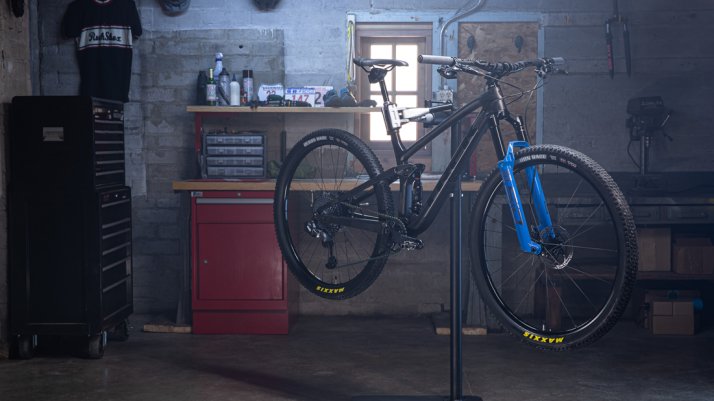
Bike tuning for lower weight and higher performance
Stop-and-go traffic, steep climbs, or chasing new personal bests all have one thing in common. A lighter bike makes everything feel easier and faster. Smart tuning helps reduce weight, improve efficiency, and sharpen ride feel without compromising durability or function.
That’s why we’ve selected bike tuning parts that balance lightweight construction, reliable performance, and clean design. But where do upgrades really make a difference?
On many mid-range road and mountain bikes, the biggest gains come from better components . To keep complete bikes affordable, manufacturers often compromise on wheels, the drivetrain, the crankset, and the cockpit. This is where targeted upgrades deliver the greatest gains.
Wheels and tires offer the most noticeable tuning effect. Lower rim weight reduces rotating mass, leading to quicker acceleration and a more responsive ride. Lightweight hubs, precision-machined from aluminum or carbon, push weight savings even further. Upgrading to lightweight, tubeless-ready tires is also one of the most effective and affordable ways to improve acceleration and rolling efficiency on road bikes and MTBs alike.
Cockpit and seat components combine weight savings with fit and control. Carbon handlebars, seat posts, saddles, and stems reduce weight while maintaining stiffness and comfort. Integrated carbon handlebar and stem units deliver maximum stiffness at minimal weight and show how modern cockpit tuning no longer requires compromises.
Drivetrain and crankset upgrades further reduce weight while improving power transfer. Lightweight cassettes, chainrings, and chains use advanced materials like aluminum, steel, and titanium to balance durability and efficiency. Modern 1x and 2x drivetrains simplify construction and enhance power transmission, while carbon cranksets with integrated spindles set new standards for stiffness. Many options are also available with power measurement for structured training.
Finally, it’s often the details that complete a lightweight build. Titanium bolts and other fine tuning parts may seem minor, but together they help create a refined, high-performance setup that feels lighter every time you ride.
Visual tuning for individual style
Bike tuning is not only about weight and performance. A cohesive look plays just as important a role. Well-matched colors, finishes, and designs define the overall impression of a custom bike and ensure that high-quality components look intentional rather than mismatched.
With the right accessories, personalization can be both easy and affordable. Stylish mudguards, decals, and color accents on the handlebar, stem, and saddle allow you to give your bike a distinctive look with minimal effort. Creative freedom in bike tuning is almost limitless.
Anodized finishes on quick releases, lightweight thru-axles, bolts, valves, headset caps, and derailleur pulleys add visual highlights while saving a few grams at the same time. Pedals also deserve attention. From ultra-flat, color-anodized flat pedals to extremely lightweight clipless pedals with titanium axles and carbon bodies, the right choice completes the overall look even when the bike is standing still.
Grips and bar tape offer another simple way to add color or texture. If you prefer a more subtle, technical aesthetic, carbon components with woven finishes such as 3K or clean UD layers are a great choice. Carbon wheels or a full carbon cockpit may come at a higher price, but their lightweight construction and understated appearance make a strong statement.
Give your bike a personal touch and make it your own.
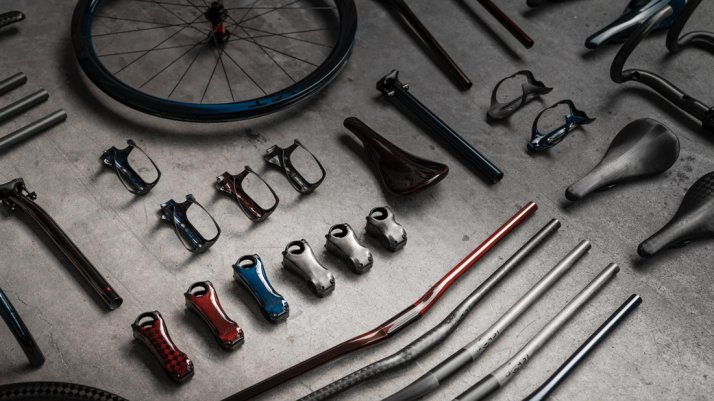
Technical bike upgrades that are worth it
Alongside lightweight construction and visual tuning, technical upgrades are often overlooked. Yet they can make a noticeable difference in how your bike performs. Based on our long-standing experience, here’s where upgrades really pay off.
For mountain bike tune ups in particular, the rear shock and especially the suspension fork still offer plenty of potential for performance-focused suspension tuning. Electronic shifting upgrades, on the other hand, are an option for both mountain bikes and road bikes. They deliver faster, more precise gear changes and allow you to tailor shifting behavior to your personal preferences.
Suspension tuning that gives your bike a real boost
The first step in suspension tuning is always proper setup. Check whether air pressure or spring rate matches the manufacturer’s recommendations for your weight and riding style. With a shock pump and a second pair of hands, you can already achieve a solid base setup. From there, a few test rides on your usual loop help fine-tune the settings.
If that’s not enough, owners of air-sprung forks have plenty of affordable upgrade options. Volume spacers, dedicated air cartridges, and tuning air spring units increase air chamber volume and reduce friction. All of these upgrades aim to refine the spring curve so the fork responds more sensitively to small bumps without bottoming out on hard impacts.
Compared to simple volume spacers, air cartridges offer the advantage of allowing on-trail adjustment of the fork setup. Both options can usually be installed with moderate effort by opening the top of the left fork leg. Upgrading the air spring itself requires more mechanical confidence but is still well within reach for experienced home mechanics.
Air suspension is also widely used in rear shocks on full-suspension bikes, thanks to its broad adjustment range. As with the fork, volume spacers allow you to influence suspension behavior and better match it to your riding style. Riders who prefer coil shocks on enduro or downhill bikes can also benefit from tuning. Progressive steel springs are often lighter than standard versions and offer increased progression toward the end of the travel, helping to prevent harsh bottom-outs.
For riders who want to go even further, suspension seals are another upgrade worth considering. While installation requires more effort, upgraded fork seals can noticeably improve small-bump sensitivity and overall smoothness on the trail.
Our summary: Fork and shock tuning is often seen as complicated or expensive, but many upgrades are affordable, effective, and easier to install than expected.
Electronic shifting like the pros
What began on the road with Shimano Di2 and was later expanded by Campagnolo EPS and SRAM eTap is now firmly established in bike tuning. Electronic derailleurs are a premium upgrade option that delivers exceptionally precise and fast shifting, and with modern 12-speed systems, they have also become a serious option for MTB setups.
Electronic shifting systems use powerful servo motors combined with microelectronics, sensors, and proven derailleur mechanisms to deliver consistent gear changes. Depending on the manufacturer, signals are transmitted via internally routed cables or completely wirelessly for a clean cockpit setup. Compact batteries are either hidden inside the seat post or mounted directly on the shifting component, providing power for thousands of shifts. Shifting itself remains intuitive and familiar, using shift levers on MTBs or shift brake levers on road bikes. Thanks to modular system designs, additional shift buttons can also be added, which is especially useful for triathlon or sprint-focused setups. Many systems also allow you to customize shift logic via an app, giving you full control over how gears are changed.
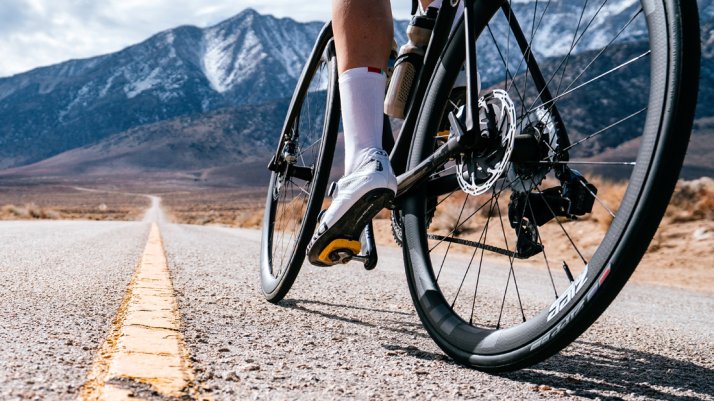
Electronic drivetrains have always showcased the cutting edge of road and mountain bike technology. As a result, only high-quality drivetrain components are used for bicycle mods, including wide-range 12-speed cassettes, lightweight chains, and precisely machined chainrings with optimized tooth profiles. For riders looking to further improve shifting performance, there’s good news. Many manufacturers offer upgrade kits that let you keep existing wear components and replace only the shifting system. This makes the switch to electronic shifting more affordable and reduces unnecessary waste.