Bike Stems – The Bridge Between Bike and Cockpit
Inconspicuous and yet extremely important - when it comes to the steering behavior of your bike, the stem plays a decisive role. This is due to its special feature on the bike. As the link between the frame, fork and cockpit, it enables precise handlebars. At the same time, it has a major influence on your riding position and riding comfort. On this page, you can find out everything you need to know about bicycle stems - from the basics to the different types depending on the area of use and the materials. We'll help you find the perfect stem for your bike.
What Is a Bicycle Stem?
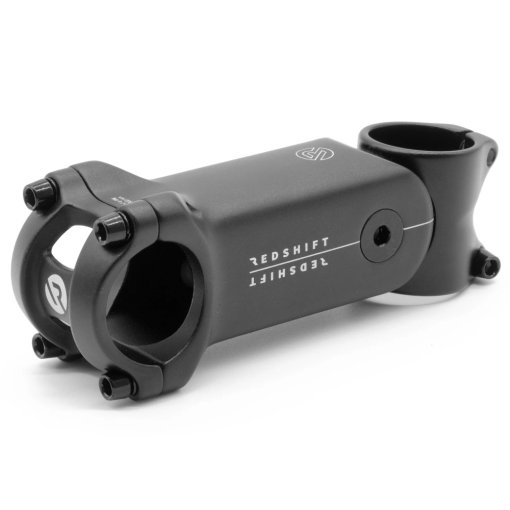
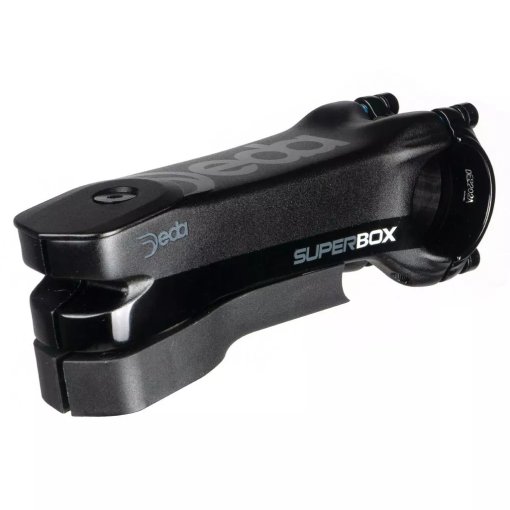
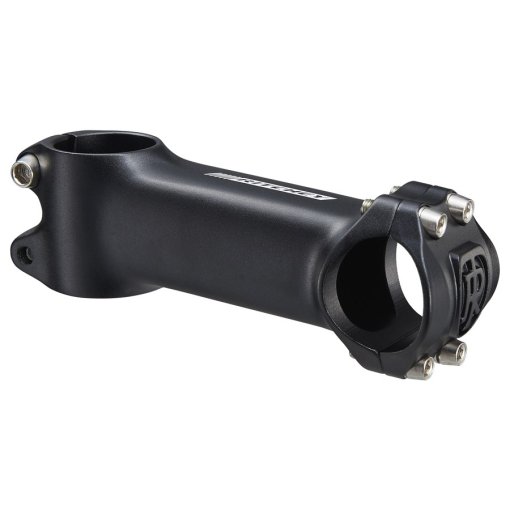
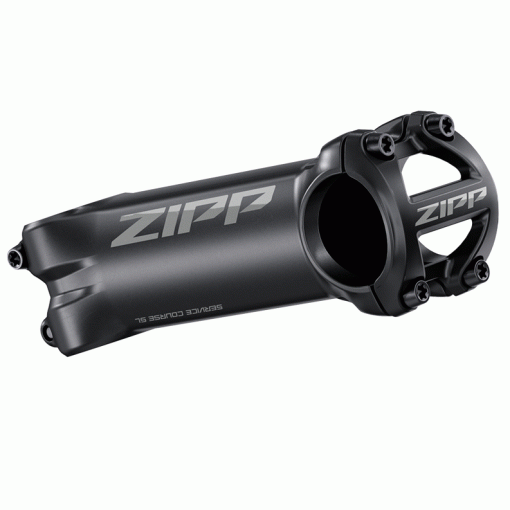
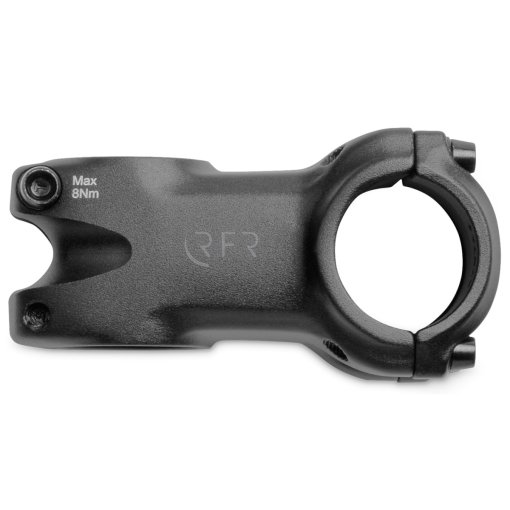
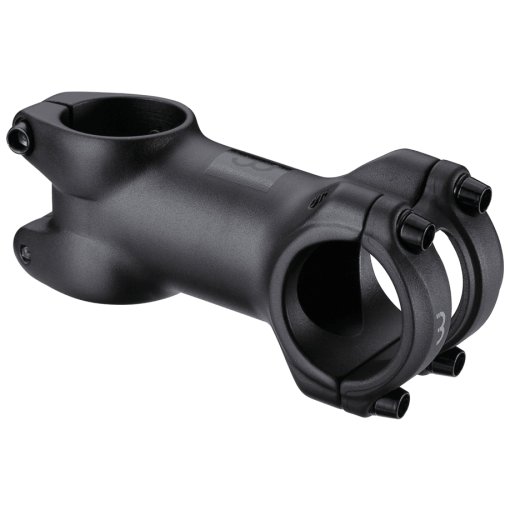
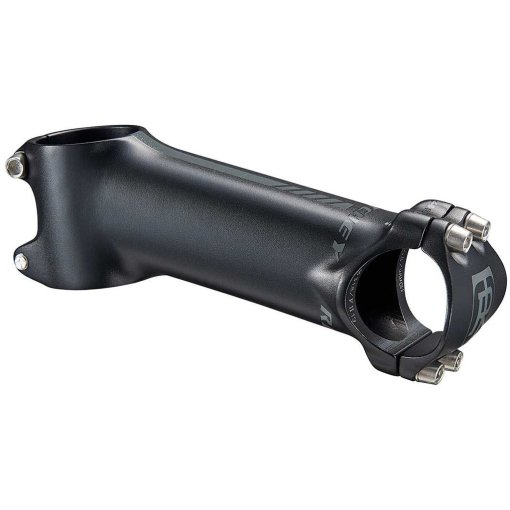
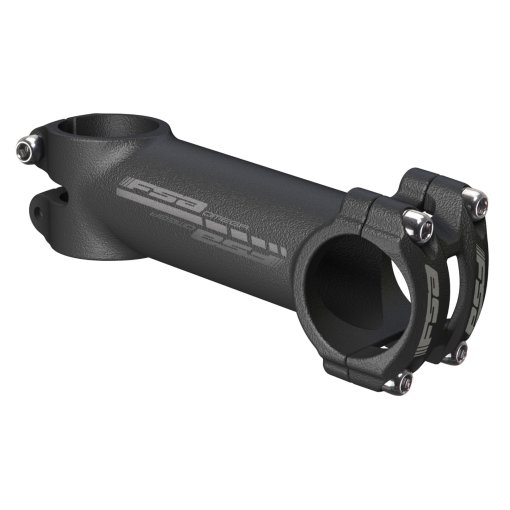
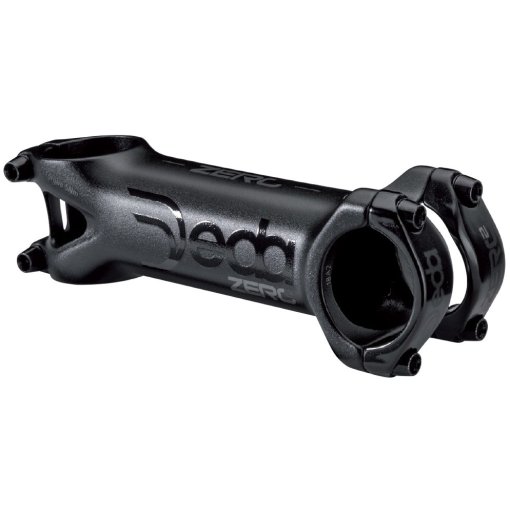
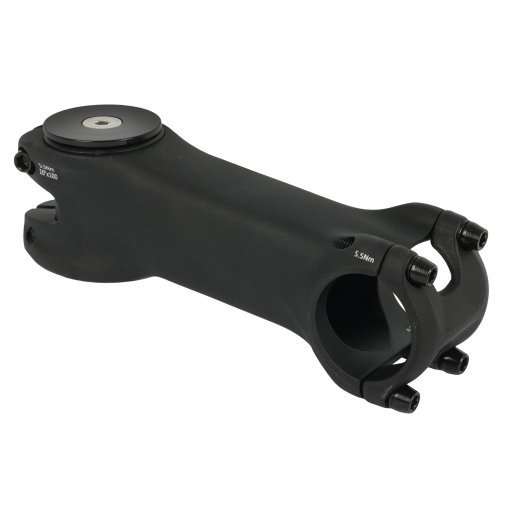
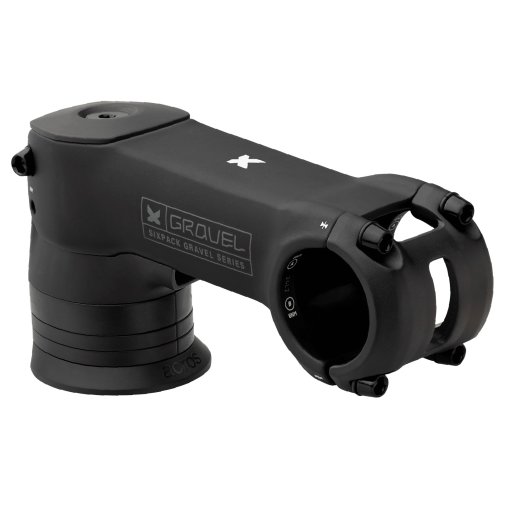
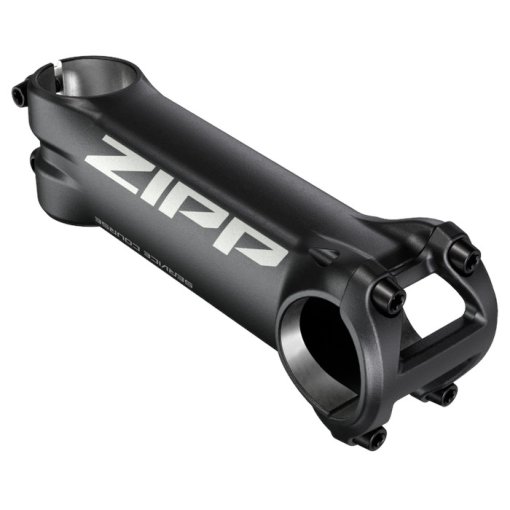
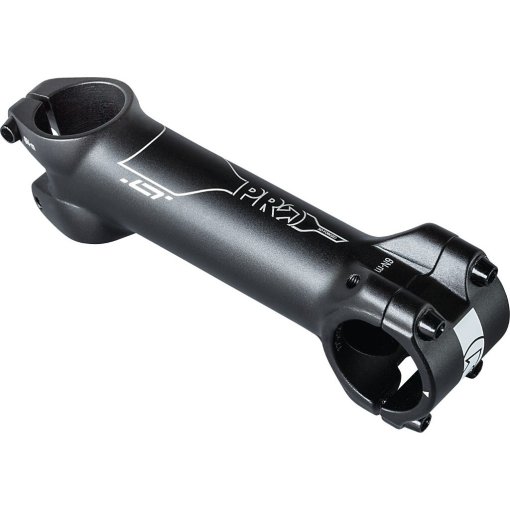
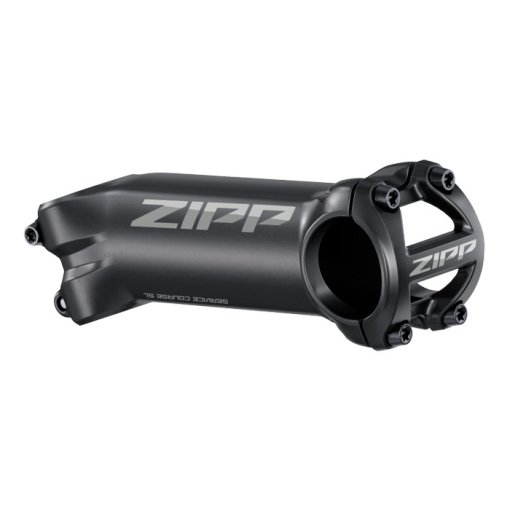
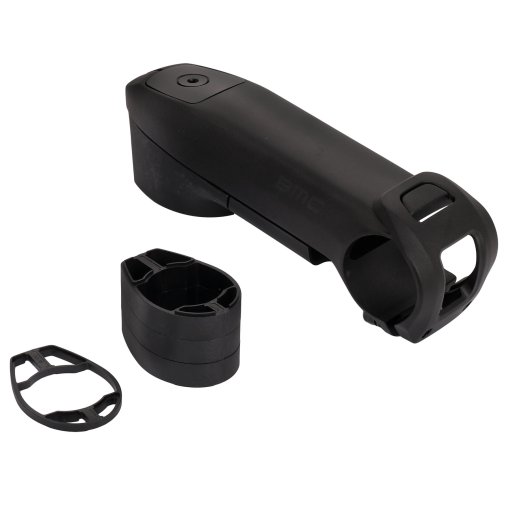
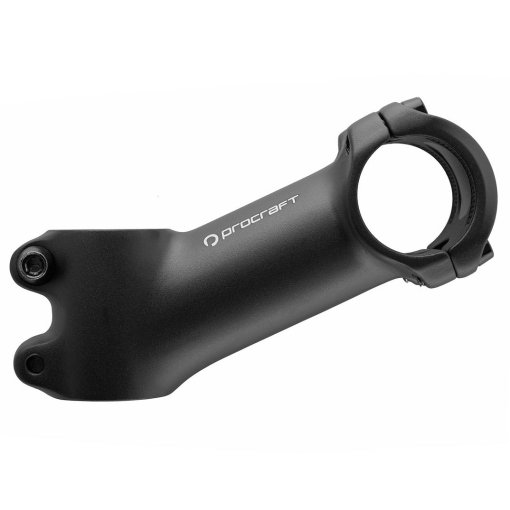
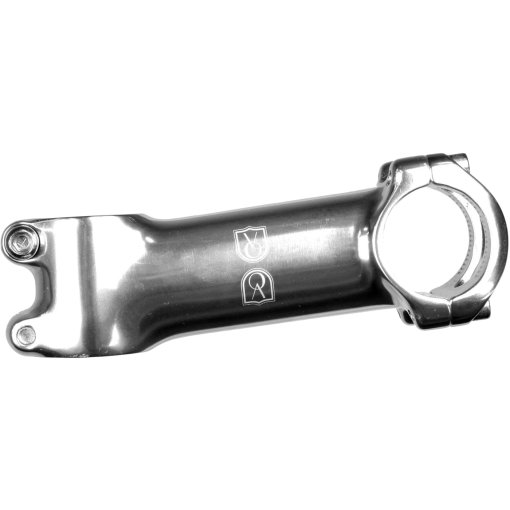
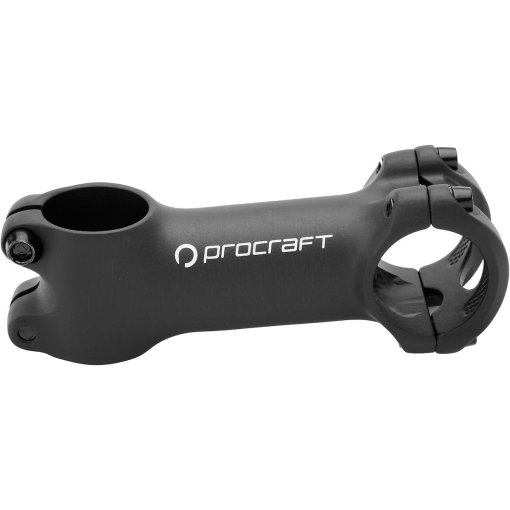
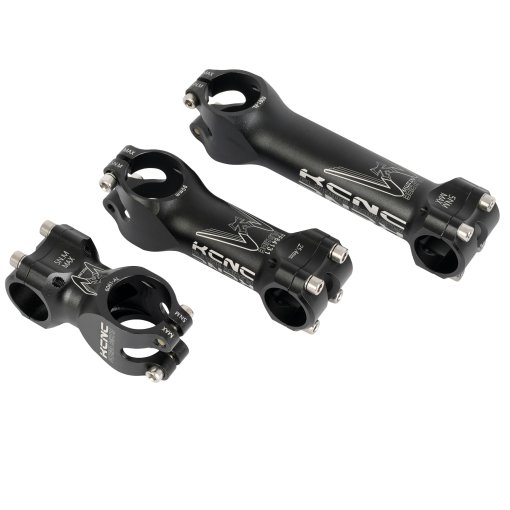
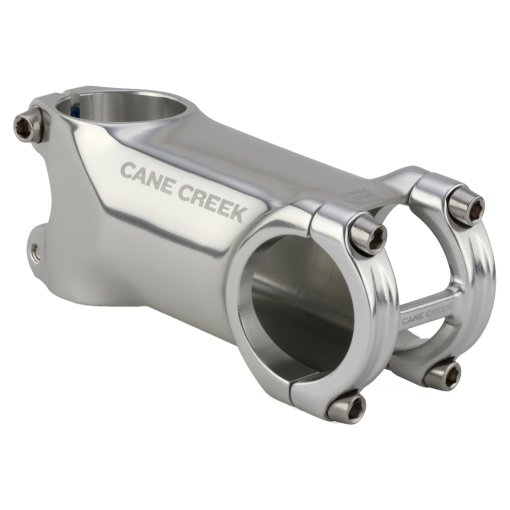
At first glance, the bicycle stem, sometimes also called the handlebar stem, is nothing more than the connecting piece between the cockpit, fork and bicycle frame. On closer inspection, however, you quickly realize that the stem is much more than just a mechanical link. Alongside the handlebars, it is actually one of the most important components for the stability and handling of your bike.
The reason for this is that even small differences in the stem can have a big impact.
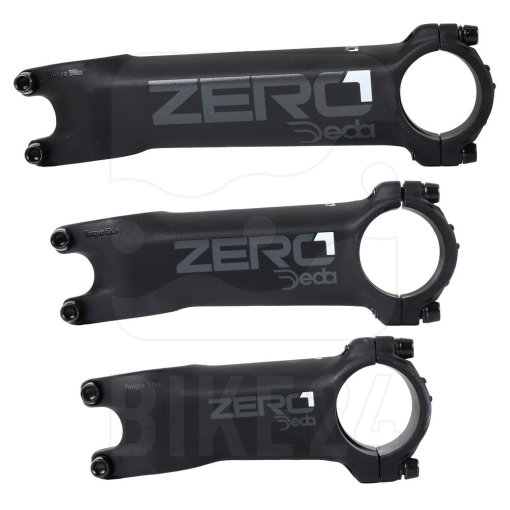
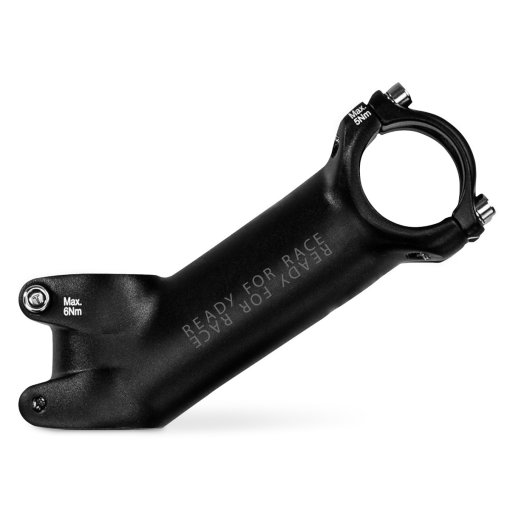
Dimensions such as length and angle have a significant influence on the riding position and steering behavior. The length is measured from the center of the fork clamp to the center of the handlebar clamp and provides more or less extension; the same applies to smoothness. The angle indicates how much the stem points positively upwards. The degree is calculated from the difference to the horizontal (0°). The greater the angle, the more upright you sit on the bike. Some bicycle stems can also be used as flip-flops. This means, for example, that you can mount them pointing either 6° upwards or 6° downwards.
The material used and the workmanship determine how comfortably you ride, but also how efficiently your power is converted into propulsion, e.g. when sprinting. The design and functionality of a bicycle stem should also be precisely tailored to the respective area of use. It is not without reason that there are stem models in a wide variety of designs - from road bike stems to mountain bike stems.
These Types of Handlebar Stems Are Available
Which brings us to the stem types. Basically, bicycle stems can be divided into different categories. The two most important are the design and the area of application.
Stems and Their Design
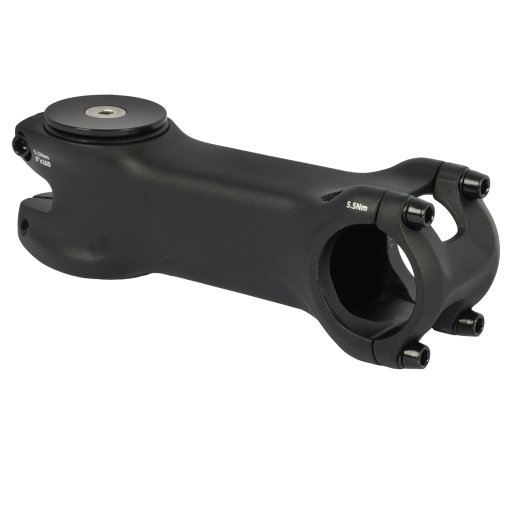
In terms of construction, we differentiate between Ahead stems and stem stems. Ahead stems are more modern and offer a more direct, stiffer connection between the fork and handlebars, which provides better control and stability. They are mounted directly on the steerer tube by enclosing it and fixing it with clamp bolts. In contrast, the steerer tube stem is inserted into the steerer tube and fixed with a clamping cone. This design is more traditional and is often found on classic bikes or very simple everyday bikes.
From BMX to Trekking - Stems by Area of Use
A classic differentiation criterion for stems is the area of use. They differ in their shape, the preferred material or the clamping diameters.
MTB Stems
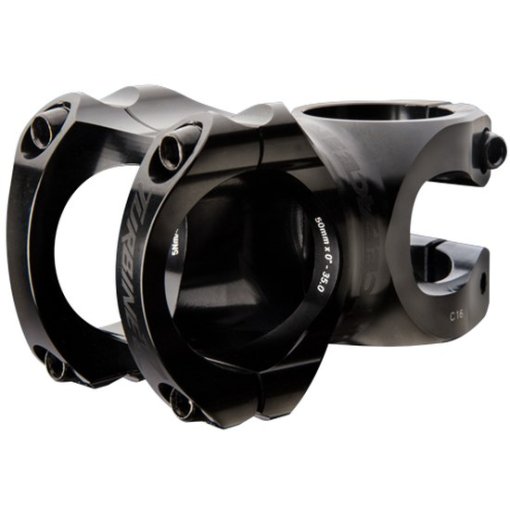
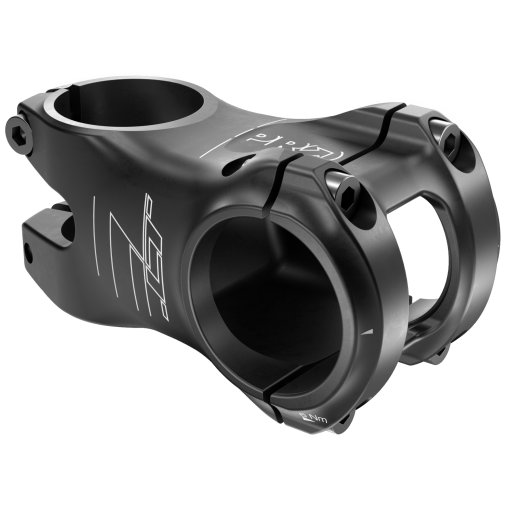
There are special stems for mountain bikes. They are usually shorter for a more direct steering feel and have a slightly upward angle (from approx. 6°). At the same time, the handlebar clamp is often larger for greater stiffness and load capacity. Common clamping diameters are 31.8 mm (oversized) or 35 mm. For the fork clamp, you can choose between 1 1/8 or the even more resilient 1.5 inch clamp. Most MTB riders opt for aluminium models. Carbon is only used for lightweight XC racing bikes. A special form of MTB stem is the direct mount stem. It is the first choice for gravity athletes, as mounting it directly on the fork bridge keeps the steering position particularly low, the steering feel super direct and the load capacity maximized.
Road Bike Stems
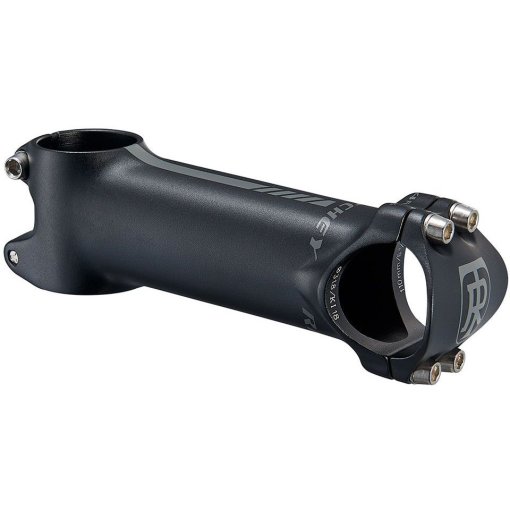
Lightweight stem solutions are often important for road bikes. Modern versions also offer integrated cable guides for a clean look and aerodynamics. Road bike stems are often slightly longer for a smoother ride. In terms of angle, it also starts at around 6 degrees, which is why some models are used on both road bikes and MTBs. For the most part, 31.8 mm handlebar clamps and 1 1/8 inch fork clamps have established themselves. Many stems for road bikes are also made of weight-optimized aluminium. Special features, such as those used in professional racing, are always made of carbon. This is the only way to achieve maximum stiffness and low weight at the same time.
BMX Stems
BMX stems must be one thing first and foremost: compact and extremely stable. This is the only way they can withstand the high loads of unsprung tricks and jumps. Length or angle are less important here. The stems, which are mainly made of CrMo steel, clamp onto the steerer tubes with
1 1/8 inch and onto the handlebars with 22.2 mm. They enable direct steering and are often available in colorful designs.
Trekking and City Bike Stems
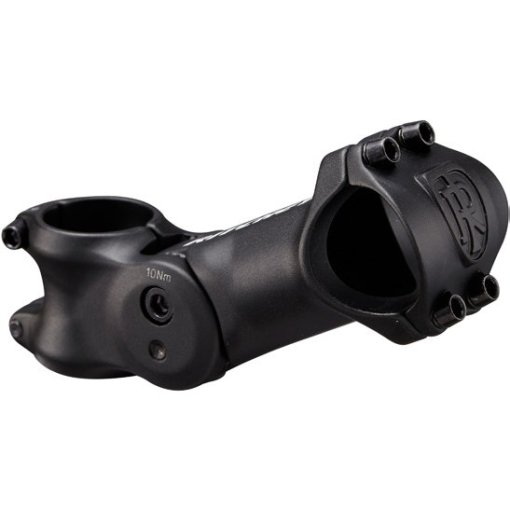
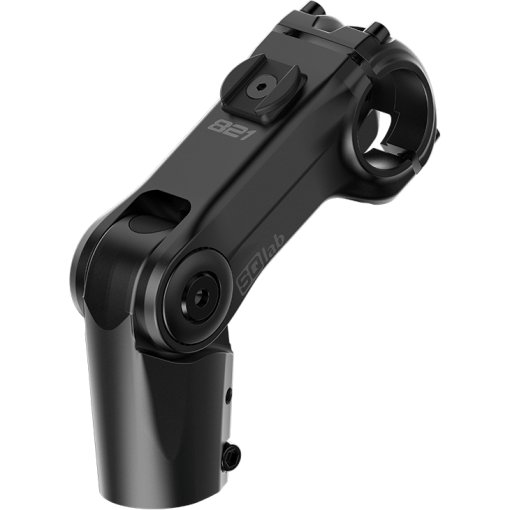
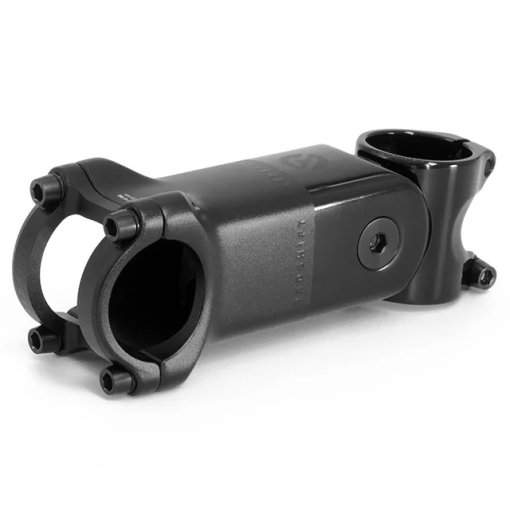
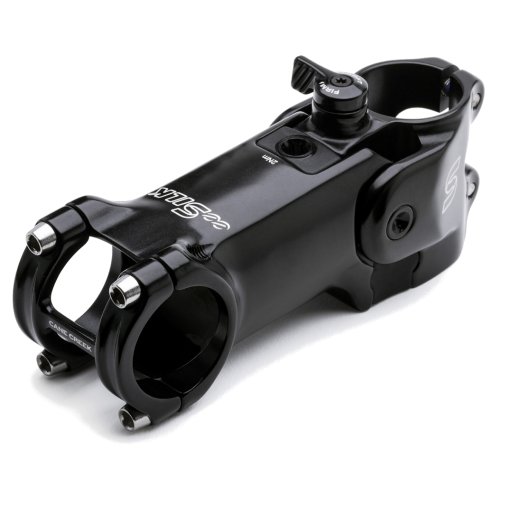
For trekking and city bikes, the focus is on comfort. Ahead stems made of aluminium are often used. Stem stems are rarely used. The handlebar stems mentioned first clamp 1 1/8 inch to the fork and 25.4 or 31.8 mm to the handlebar. The angles are generally steeper for an upright, comfortable riding position. A handlebar stem with angle adjustment enables individual ergonomic adjustment to your preferred riding position.
Aluminum, Carbon or Titanium? The Best Stem Materials
Similar to bicycle frames, bicycle stems are also available in different materials. Aluminium is the classic and represents good value for money. Carbon is worth its price because it saves weight thanks to the targeted fiber orientation and wall thickness optimization and is stiff and comfortable at the same time. It also allows special features and the construction of super-stiff but also one-piece handlebar/stem units. Steel is considered to be particularly robust and classic. The elegant-looking titanium is light and comfortable - but comparatively expensive.
Buying Advice - Find the Perfect Bike Stem Online
Want to buy a new handlebar stem? Then you should consider the following aspects:
- Design: Do you need an Ahead or steerer stem? Do you want to be able to turn the stem around - for a particularly upright or low riding position, for example? Should your stem be adjustable?
- Area of use: What do you want to use the stem for - for example, do you ride a road bike, MTB or just for everyday use?
- Material: Do you have any special material preferences? We have stems made of aluminium, carbon, steel and titanium.
- Clamp: What clamp diameter do you need - both on the steerer tube and on the handlebar? Important: The clamping diameter must match your components exactly.
- Length: How long should your stem be? Caution: The longer the stem, the more stretched out you sit on the bike.
- Angle: What stem angle do you need? Caution: The steeper the angle, the more upright or bent down you sit.
Buying a Bike Stem Online at BIKE24
Now you know all the important facts to find the right stem for you so that you can improve your performance on the road or venture out on the trails with the big jumps. One stop online shop: When you shop with us, you'll find a huge selection of stems from various brands such as Specialized, Procraft, Ritchey and FSA. You can also order other high-quality components such as Ahead caps, headsets or handlebars from a single source. And after shipping in record time, you can set your own best times with your new handlebar stem.